MAPC Launches Zipcar EV Pilot With Off-Grid Solar in Boston — SkimNews
SkimNews Take
Pairing shared EVs with standalone solar sidesteps the interconnection wait times that stall grid-tied chargers, compressing deployment timelines in the communities where they typically run longest.
Get the Energy newsletter
Daily energy & climate — solar, EVs, oil, the policy fights and tech bets shaping the transition. Free.
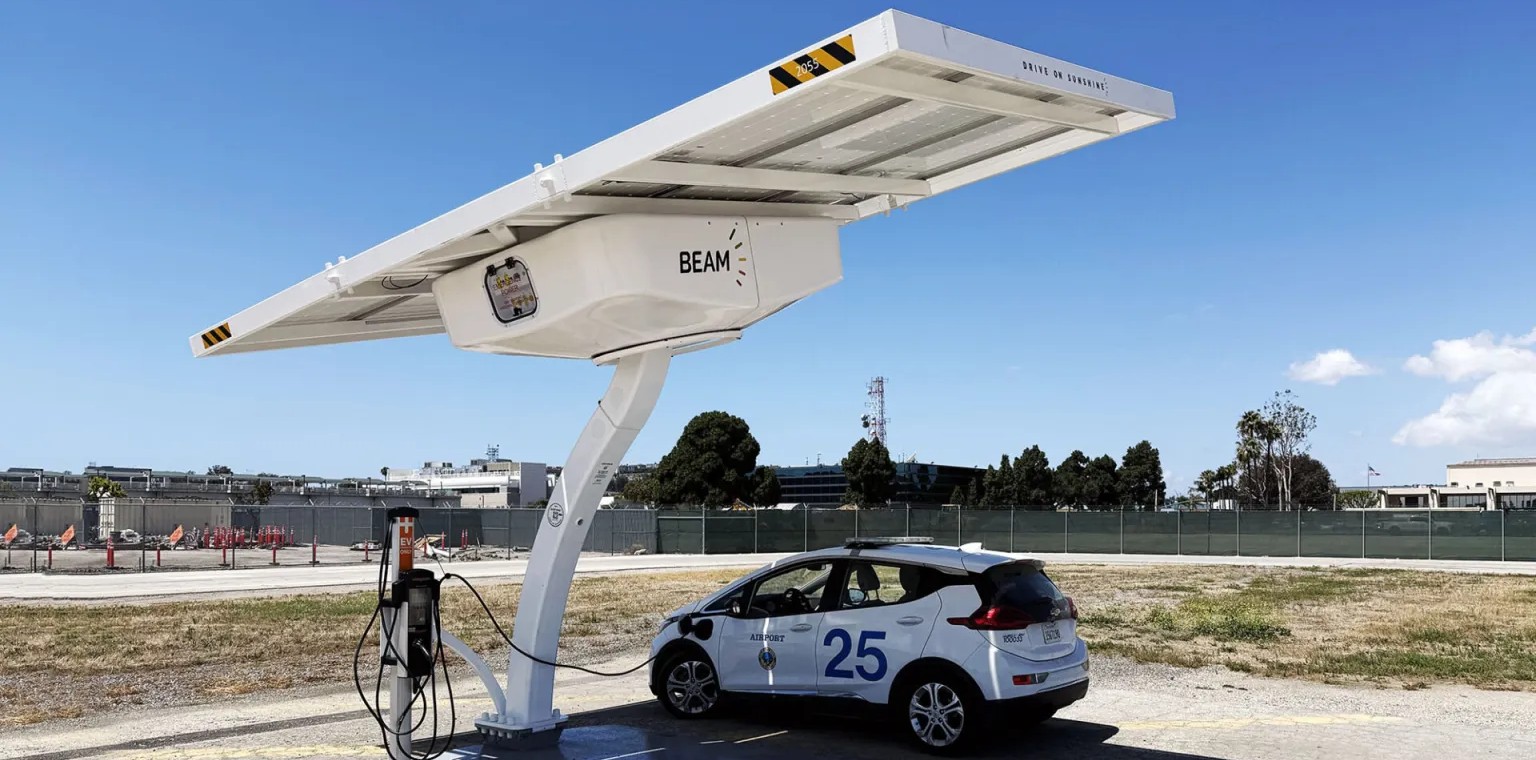
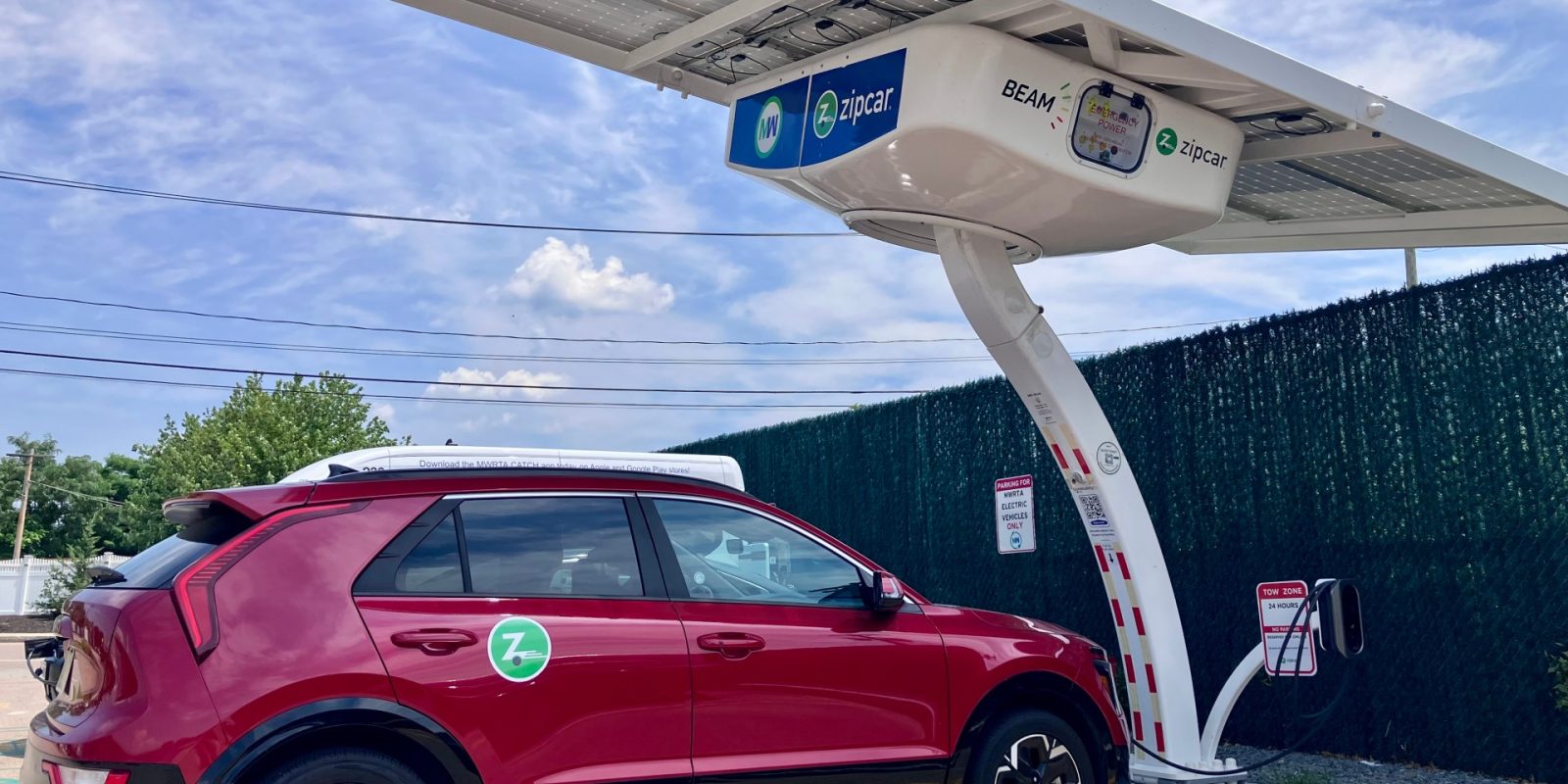
- MAPC launched CommunityEV Carshare at four Greater Boston sites — downtown Framingham, the Chelsea Housing Authority, the Boston Housing Authority, and downtown Quincy — using Beam Global's EV ARC off-grid solar chargers and Zipcar EVs.
- Zipcar is offering the EVs at a discounted $11–$13 per hour for eligible users, with each Beam EV ARC able to charge two vehicles at once and generate up to 265 miles of driving range per day on-site.
- Beam Global's EV ARC systems generate and store their own electricity, requiring no grid connection, trenching, or electrical work — letting the pilot skip the lengthy construction that normally delays charger installations.
- MAPC executive director Lizzi Weyant said the program will "pilot EV charging without lengthy and expensive construction, as well as promote EV carsharing to underserved communities."
- MAPC is renting the EV ARC systems rather than buying them, cutting upfront infrastructure costs for the pilot while giving Beam a recurring revenue stream.
- The US Department of Transportation notes household vehicles sit parked roughly 95% of the time and the median Zipcar Boston EV trip is just 25.5 miles — a usage pattern that fits the solar recharge cycle between short journeys.
- Transportation accounts for 38% of Massachusetts' greenhouse gas emissions, the state's largest source, and Massachusetts has set a 2050 net-zero target, framing the pilot as a test of how quickly clean mobility can scale without permanent infrastructure.
Why it matters: The pilot sidesteps the grid-connection bottleneck — typically the costliest part of charger deployment — by renting fully self-sufficient solar units, letting four historically underserved Boston-area communities get discounted Zipcar EVs ($11–$13/hour) in weeks rather than years. If it works, MAPC and Beam gain a replicable model for expanding clean carsharing in places that lack both charging and carsharing today, with Massachusetts' 38%-of-emissions transportation sector and 2050 net-zero target giving the experiment concrete stakes.
Ask SkimNews