Deep-Sea Mining Threatens Earth's Uncharted Ocean Floor
Get the Energy newsletter
Daily energy & climate — solar, EVs, oil, the policy fights and tech bets shaping the transition. Free.
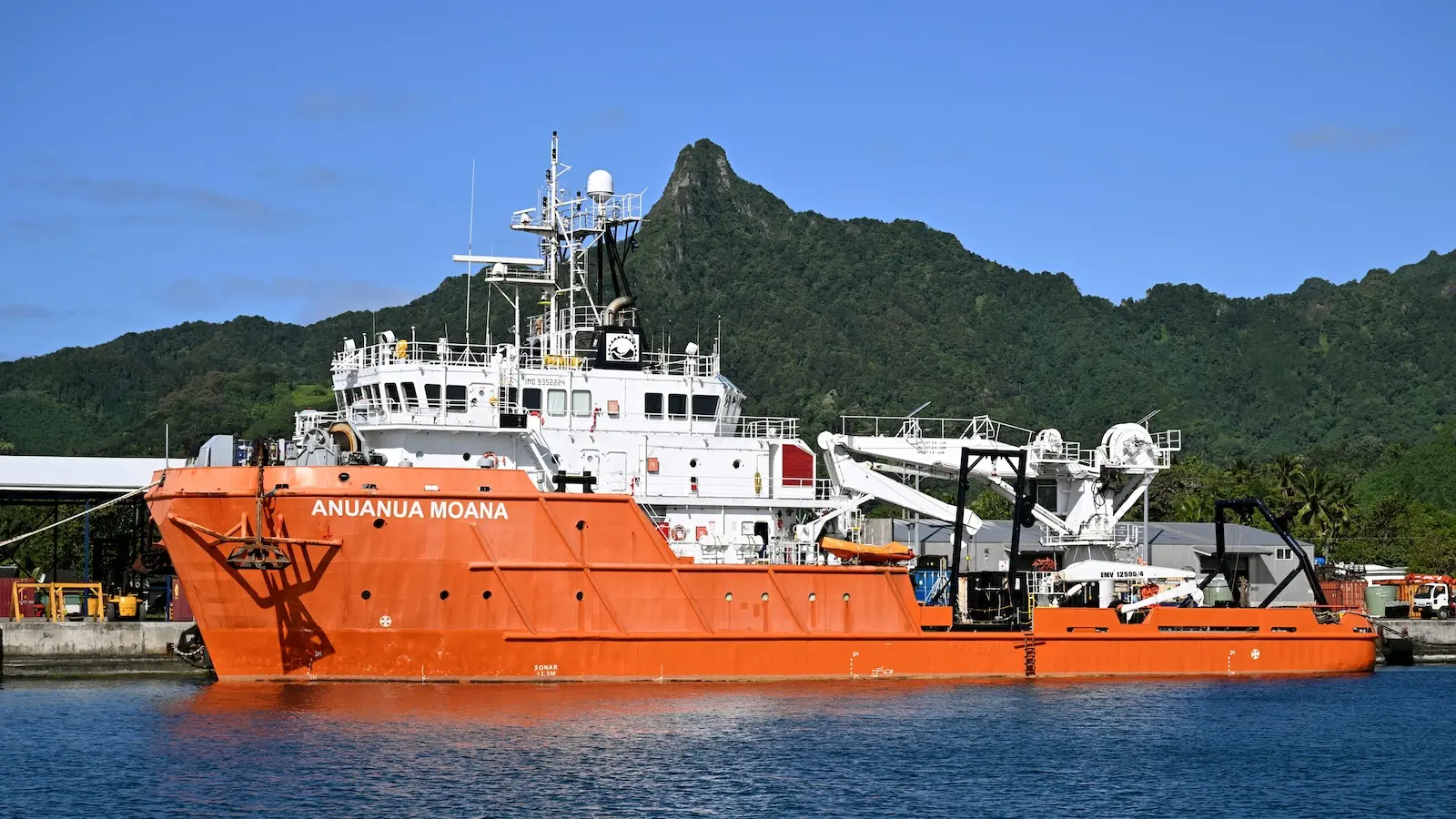
- The MH370 search mapped a 1,500-by-150-mile swath of the southern Indian Ocean floor (roughly the size of France), revealing uncharted canyons, volcanic plateaus, and a cliff taller than the Swiss Alps
- The deep ocean (below 200 metres) covers about 66% of Earth's surface; at current observation rates, a complete visual survey would take roughly 5 million years
- Oceans absorb roughly 30% of atmospheric CO2 and generate 80% of the oxygen in our air, acting as the planet's thermostat and the engine behind weather, per physicist Helen Czerski's 2023 book The Blue Machine
- Scientists discovered more than 1,100 new marine species in the past year, including a ghost shark, a ping-pong ball sponge, and a pale-pink jelly creature that fits no known animal category
- The 1872–1876 Challenger expedition dispelled the 19th-century "azoic" theory that life could not exist below 1,800 feet, and also charted the Mariana Trench at 26,850 feet deep
- William Beebe and Otis Barton descended 1,400 feet off the Bahamas in a 1930 "bathysphere," sighting bioluminescent species — including the "untouchable bathysphere fish," which no one has seen since and is now dismissed as a possible hallucination
- Deep-sea mining, floated by industrialists for 50-plus years without action, is now being revived by the search for metals needed for batteries and microchips
Why it matters: With 66% of Earth's surface effectively uncharted and 1,100-plus new species turning up in a single year, deep-sea mining would liquidate the planet's largest ecosystem — including hydrothermal vent communities that may offer clues to the origin of life on Earth — before baseline science is complete. What makes the threat newly concrete is the specific industrial driver: surging demand for battery and microchip metals.
Ask SkimNews