Tesla In-Cabin Cam Fails to Catch Sleeping Driver — SkimNews
Get the Energy newsletter
Daily energy & climate — solar, EVs, oil, the policy fights and tech bets shaping the transition. Free.
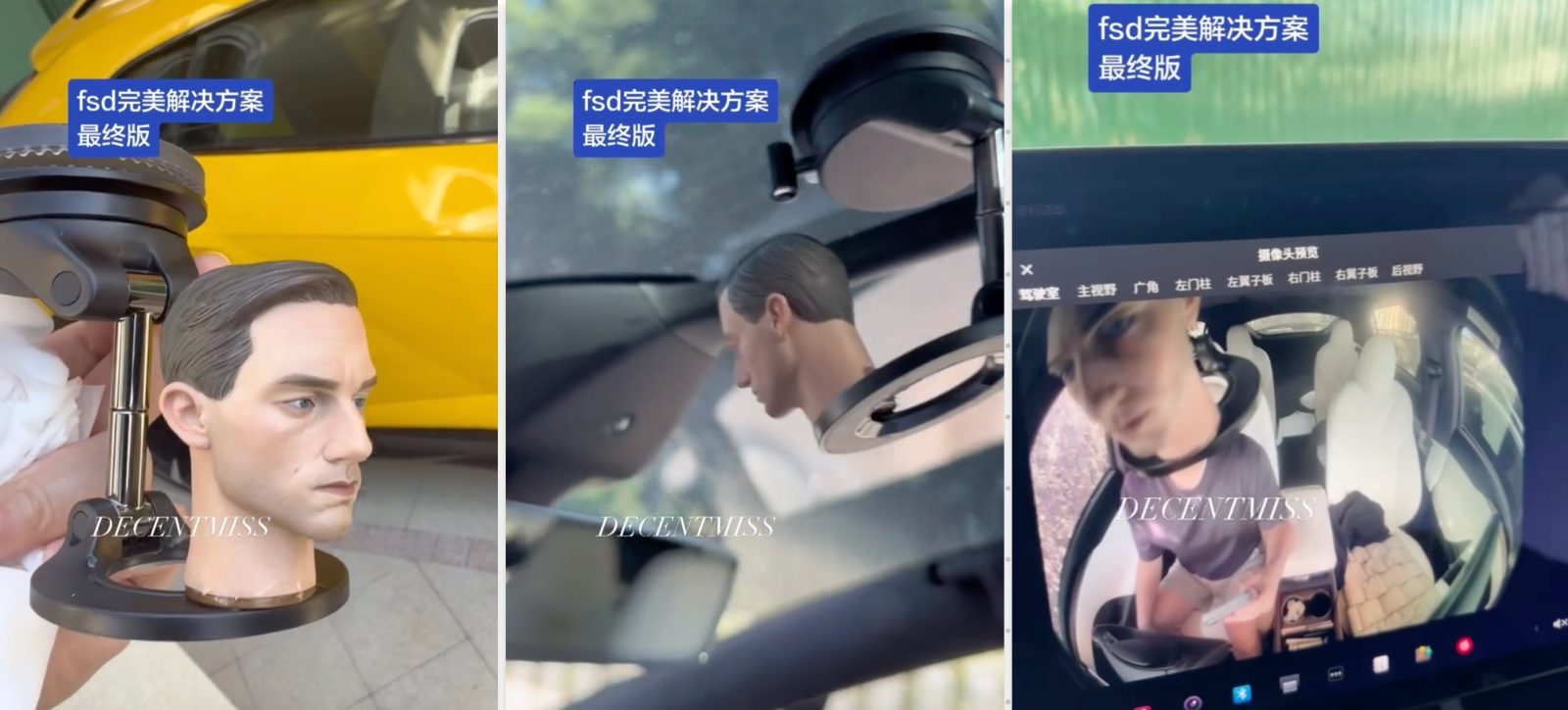
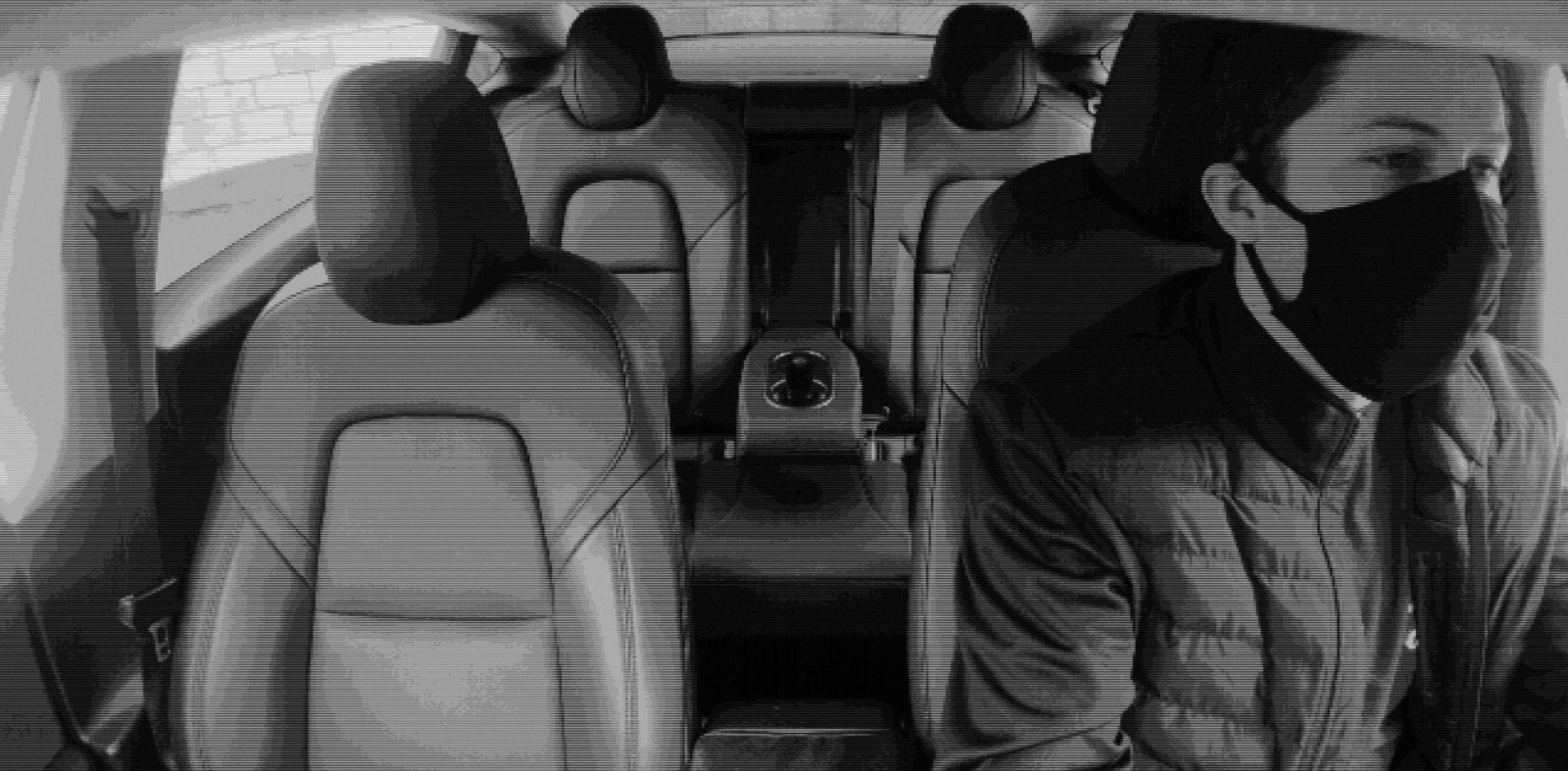
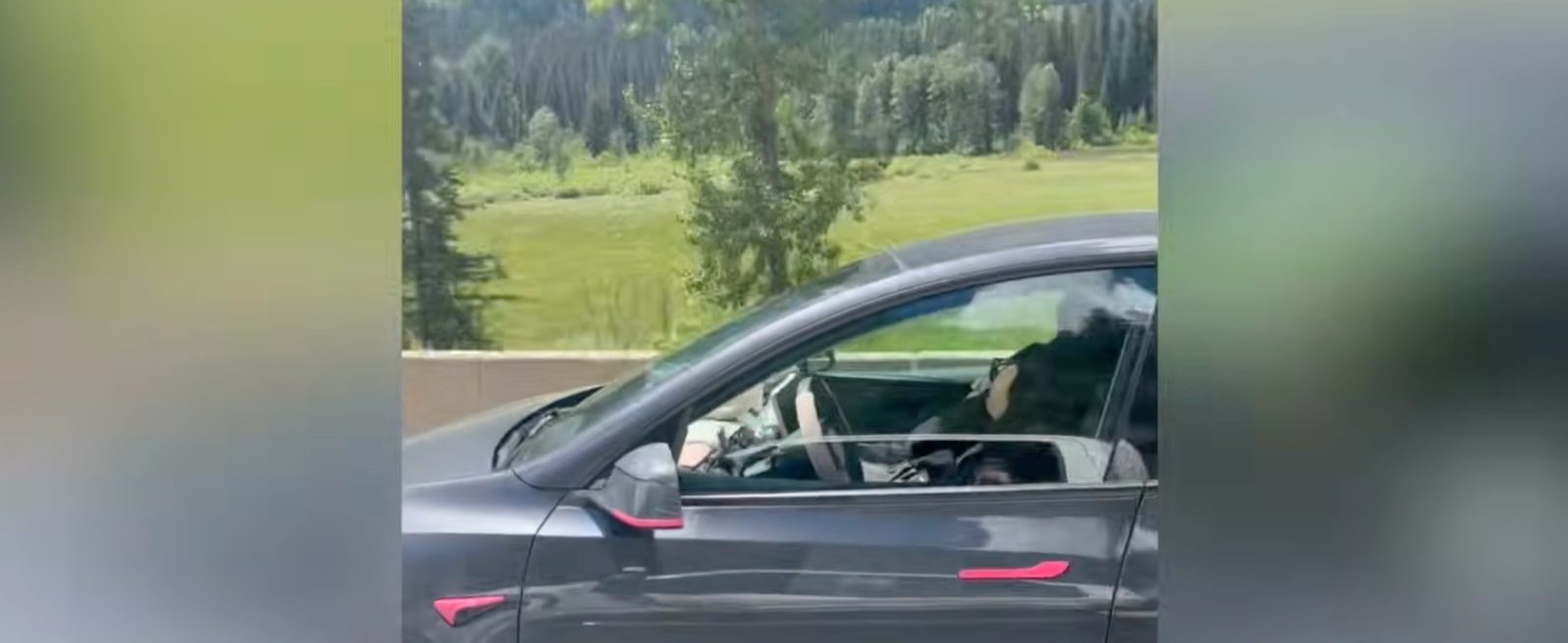
- Tesla's in-cabin driver camera reportedly failed to prevent a woman from falling asleep at the wheel, and the source suggests safety and attention monitoring may not be the camera's actual purpose.
- Wisk Aero is facing a lawsuit, per the newsletter's headline.
Why it matters: Tesla's in-cabin camera failing to catch a sleeping driver — while the source hints catching drowsy drivers isn't even the camera's intended function — exposes a gap between what consumers assume the system does and what it actually delivers.
Ask SkimNews