Indonesia’s arms spree only the start of a modern military — SkimNews

Get the Geopolitics newsletter
Daily geopolitics — wars, elections, sanctions, the diplomatic moves that move markets. Free.
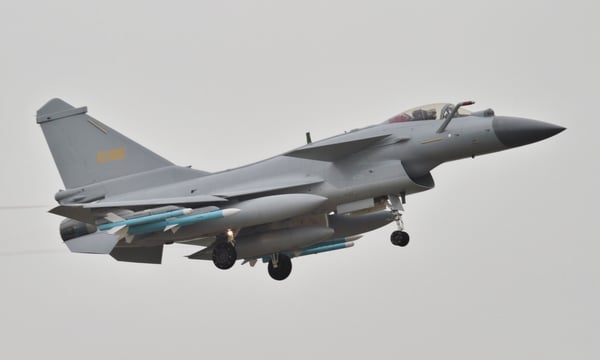
- Indonesia's defense budget has climbed from 125.8 trillion rupiah (~$7B) in 2021 to a projected 337.4 trillion for 2026, funding Rafale jets, 48 KAAN fighters from Turkey, BrahMos missiles, Turkish drones, two Italian PPA warships and an A400M airlifter.
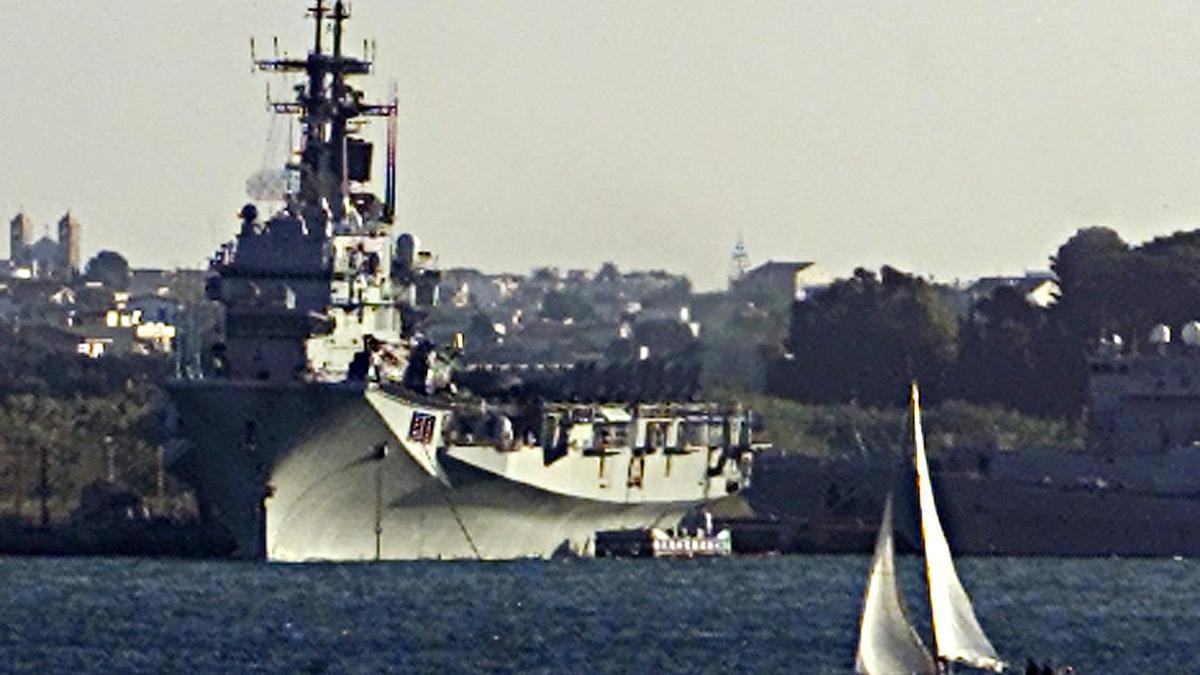
- The KRI Sriwijaya, the former Italian carrier Giuseppe Garibaldi, was commissioned in September as Indonesia's first aircraft carrier, but officials frame it primarily as a command platform and disaster-response asset rather than a blue-water strike asset.
- Two Scorpene submarines are being built at state-owned PT PAL with French technology transfer, with more than 400 Indonesian engineers set to be trained in submarine construction.
- Indonesia has shifted decisively toward Turkish drones — ANKA-S, TB3, Akıncı and Kızılelma — after signing just one Chinese CH-4B armed-drone contract between 2012 and 2022, according to Singapore's S. Rajaratnam School of International Studies.
- The Defense Ministry and National Defense Council convened a September forum on interoperability, C6ISR and network-centric warfare, explicitly acknowledging that modern warfare is no longer decided by the number of platforms owned.
- Supplier diversification — drawing systems from France, Italy, Turkey, India, the US and South Korea — gives Jakarta geopolitical hedging room but creates communications, software and maintenance fragmentation across the force.
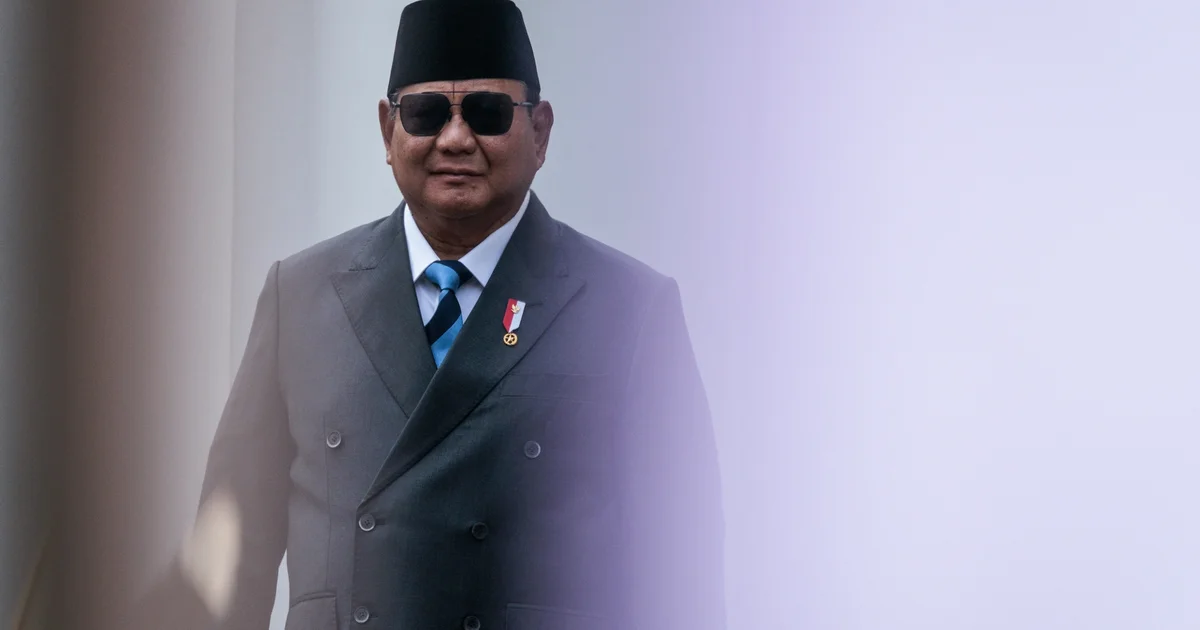
- President Prabowo Subianto's challenge is shifting from closing capability gaps through purchases to building institutional readiness: sortie rates, ammunition stocks, repair timelines and shared targeting data across services.
Why it matters: Indonesia's defense budget is on track to nearly triple in five years, but the article stresses that procurement visibility masks the real test: whether the country's newly diverse fleet — drawn from at least six foreign suppliers — can operate as a single integrated force. Every new platform carries decades of fuel, spare-parts and training obligations, and local-content rules risk becoming a substitute for genuine systems-engineering capability.
Ask SkimNews