Scientist's lifelong obsession with mystery of elusive 'pink zebra' seaweed — SkimNews
Get the Health newsletter
Daily health & science — research, biotech, public health, the studies worth knowing. Free.
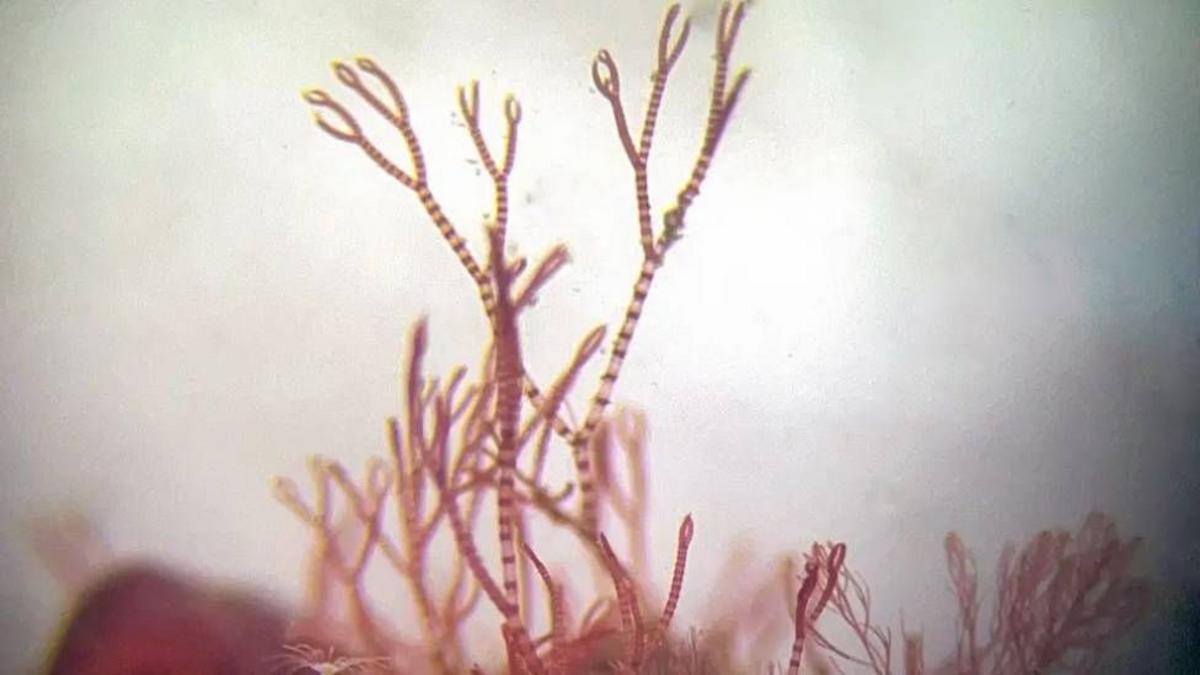
- Prof Christine Maggs first encountered a fragment of pink-striped seaweed on a maerl bed during her PhD 40 years ago and has been hunting for enough material to formally identify it ever since
- Francis Bunker, a freelance marine biologist, collected sufficient samples during a Natural England survey of Cornish maerl beds two years ago; Prof Beatriz de Barros Barreto performed DNA sequencing confirming the seaweed as a new species
- The species has been named ceramium ruenessianum, honoring a colleague who studied the genus for 40 years, with findings due in peer-reviewed journal Phycologia
- Maerl beds are classed as a threatened and declining habitat under the OSPAR convention with only four protected sites in the UK; DEFRA says the unprotected south Cornish beds where the species also lives don't require SAC status, citing 'wider priorities including offshore wind development and fisheries'
- Maggs stored the sample in a wine fridge to grow it large enough for molecular analysis; a specimen is now joining the Natural History Museum's official collection
- Researchers are inviting the public to suggest a common name — leading contenders among the scientific divers include 'pink-zebra weed,' 'pink-banded bandit,' and 'ribbon claw'
Why it matters: Identifying species tied to one of the UK's rarest marine habitats strengthens the case for monitoring maerl health, yet DEFRA has declined to extend SAC protection to the south Cornish beds where this seaweed lives, balancing conservation against offshore wind and fisheries expansion.
Ask SkimNews