JPMorgan: Iran War Limited, US Insulated From Oil Shock — SkimNews
Get the Finance newsletter
Daily finance — markets, central banks, M&A, the prints that move money. Free.
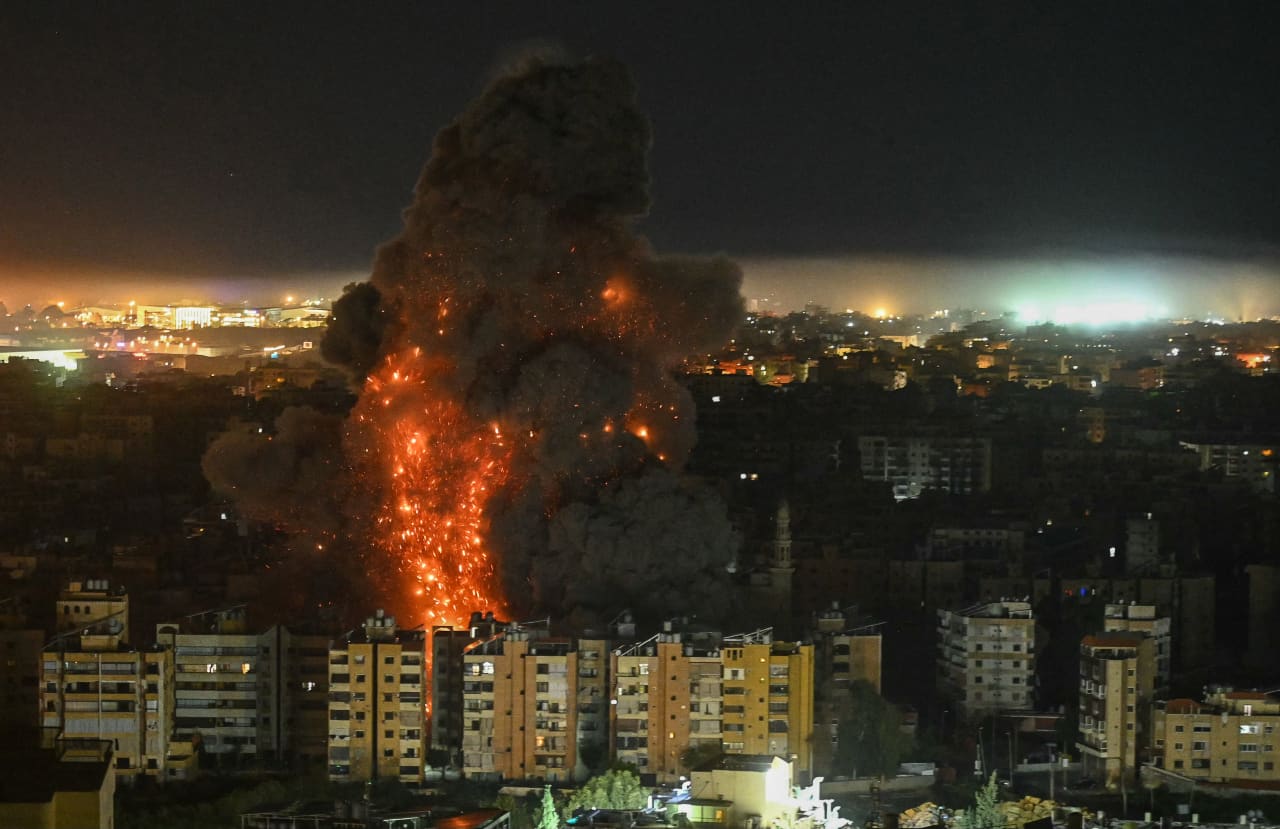
- JPMorgan analyst James Sullivan said the bank's base case is a "limited conflict" ending within two weeks, even as oil prices swing wildly on Iran-war fears.
- Brent crude briefly surged to nearly $119.50 a barrel before pulling back, with the U.S. benchmark also climbing on Strait of Hormuz disruption.
- The article cites EIA data showing U.S. net petroleum imports have declined since peaking in 2005, arguing America is structurally insulated from the oil shock in a way it wasn't during past Middle East crises.
- Asia and Europe face the sharper pinch, with import-dependent economies warned their narrow set of options is to "pay up, ration, or curb industrial activity."
- Kuwait declared force majeure and is cutting crude output as blocked routes and storage constraints collide, per Reuters cited in the article.
- China has emerged as a key arbiter in ceasefire efforts, with governments worldwide discussing emergency market-stabilization measures.
Why it matters: JPMorgan's contrarian read rewrites the pain map: the U.S., long treated as the most exposed to Middle East oil shocks, is now structurally insulated thanks to a decade of shale-driven import decline. Asia and Europe carry the real downside risk, and a prolonged Strait of Hormuz closure could force rationing or industrial slowdowns there — not in Houston or Washington.
Ask SkimNews