E. coli Nissle 1917 Delivers Romidepsin to Tumors — SkimNews
Get the Health newsletter
Daily health & science — research, biotech, public health, the studies worth knowing. Free.
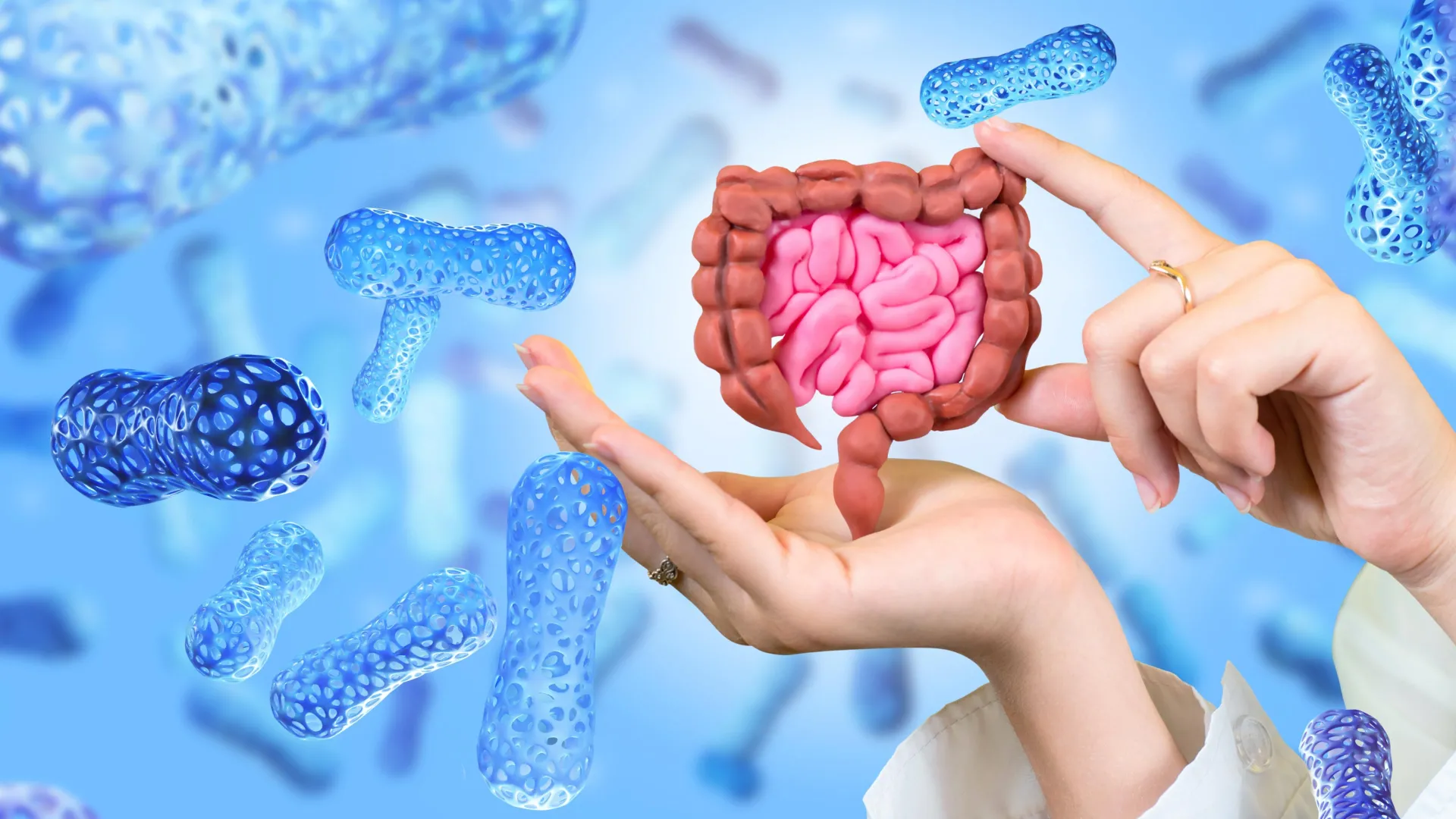
- Escherichia coli Nissle 1917 was genetically engineered to biosynthesize the FDA‑approved anticancer drug Romidepsin (FK228).
- The engineered EcN colonized breast‑cancer tumors in mice and released Romidepsin directly within the tumor microenvironment.
- Tianyu Jiang and colleagues at Shandong University reported the findings in a March 17, 2026 PLOS Biology paper.
- The study describes a dual‑action therapy where bacterial tumor colonization synergizes with Romidepsin’s anticancer activity.
- Researchers note that human trials are pending and that safety, side‑effect profiling, and bacterial clearance must be addressed before clinical use.
Why it matters: The proof‑of‑concept shows that engineered probiotic bacteria can deliver Romidepsin directly to tumors, giving drug developers a novel platform for localized therapy and offering cancer patients a potential route to higher efficacy with fewer systemic side effects while avoiding the toxicity of conventional chemotherapy.
Ask SkimNews