Popular sweetener byproduct damages DNA in human cells — SkimNews
Get the Health newsletter
Daily health & science — research, biotech, public health, the studies worth knowing. Free.
- Susan Schiffman's team at NC State reported in 2023 that sucralose-6-acetate was genotoxic, damaging DNA in cultured human blood cells and showing a pattern associated with DNA strand breaks.
- The researchers found sucralose-6-acetate at concentrations up to 0.67% in commercial sucralose samples and argued a single daily sucralose-sweetened drink could exceed EFSA's 0.15 micrograms-per-person-per-day threshold of toxicological concern for genotoxic substances.
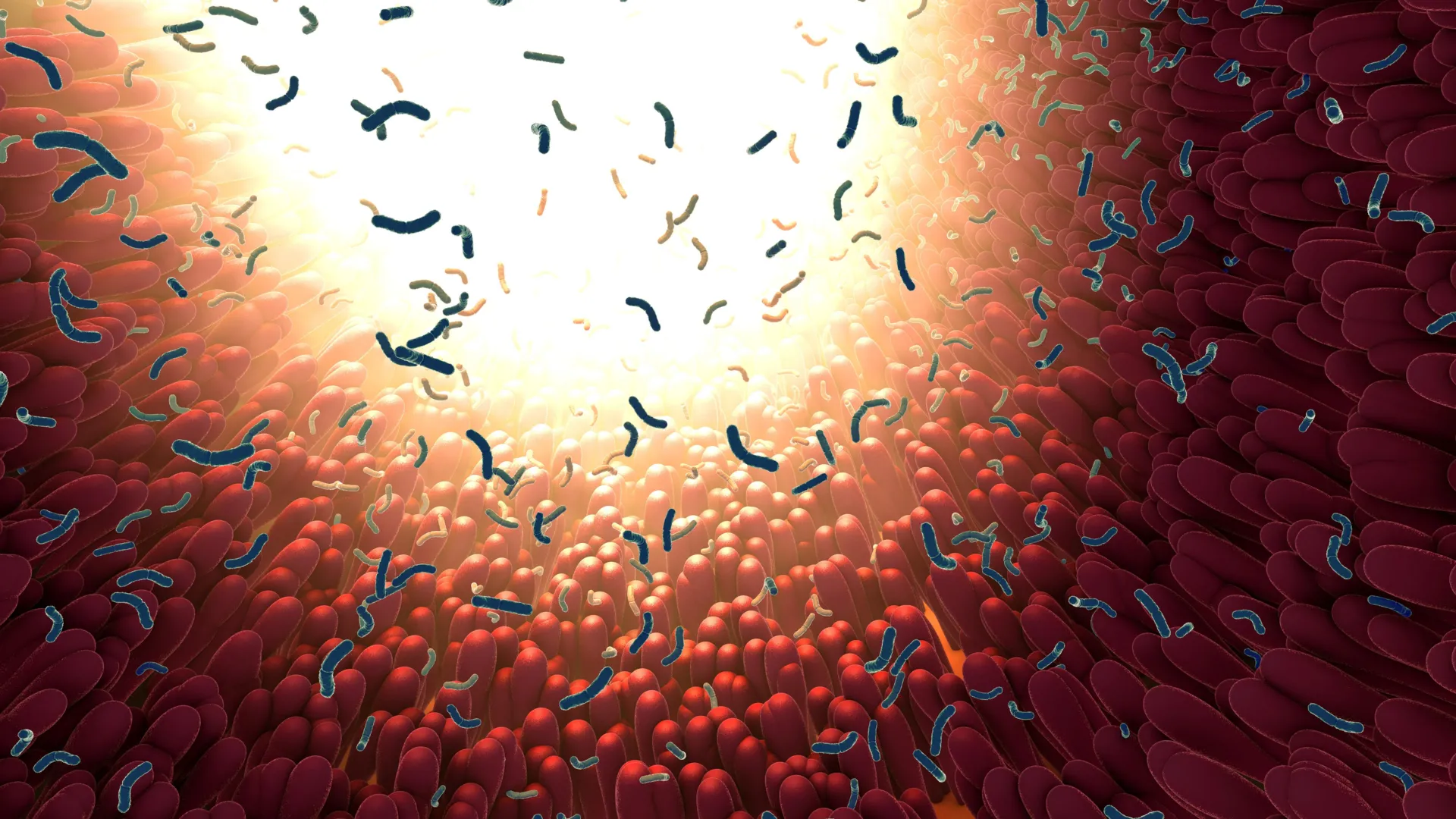
- Both sucralose and sucralose-6-acetate impaired gut barrier integrity in a laboratory intestinal tissue model, increasing permeability by damaging tight junctions and raising activity in genes linked to oxidative stress, inflammation, and carcinogenicity.
- The European Food Safety Authority's February 2026 reassessment retained sucralose's acceptable daily intake of 15 mg/kg of body weight and concluded its use as a food additive did not raise a genotoxicity concern.
- EFSA's review also challenged the original digestion claim, noting that compounds detected in the 2018 rat study could have been impurities already present in the administered sucralose rather than products of metabolism.
- An August 2026 study in Food and Chemical Toxicology — with authors affiliated with Tate & Lyle and Intertek — tested commercial sucralose across multiple genetic toxicity assays and reported mostly negative results, though a comet assay detected DNA damage signals the authors deemed uninterpretable.
- Schiffman urged consumers in 2023 to avoid products containing sucralose, calling for a regulatory revisit, while the FDA states sucralose remains approved based on more than 110 safety studies.
Why it matters: For consumers of Splenda and other sucralose products, the gap between the 2023 lab findings and the 2026 European safety conclusion leaves regulators split: EFSA found no genotoxicity concern at current exposure levels, but the researchers argue trace impurity levels alone can exceed conservative toxicological thresholds, keeping the safety debate unresolved in the public eye.
Ask SkimNews