10 Ways David Hockney Reshaped Modern Art — SkimNews

Get the Culture newsletter
Daily culture — film, music, books, the trends and ideas worth your attention. Free.
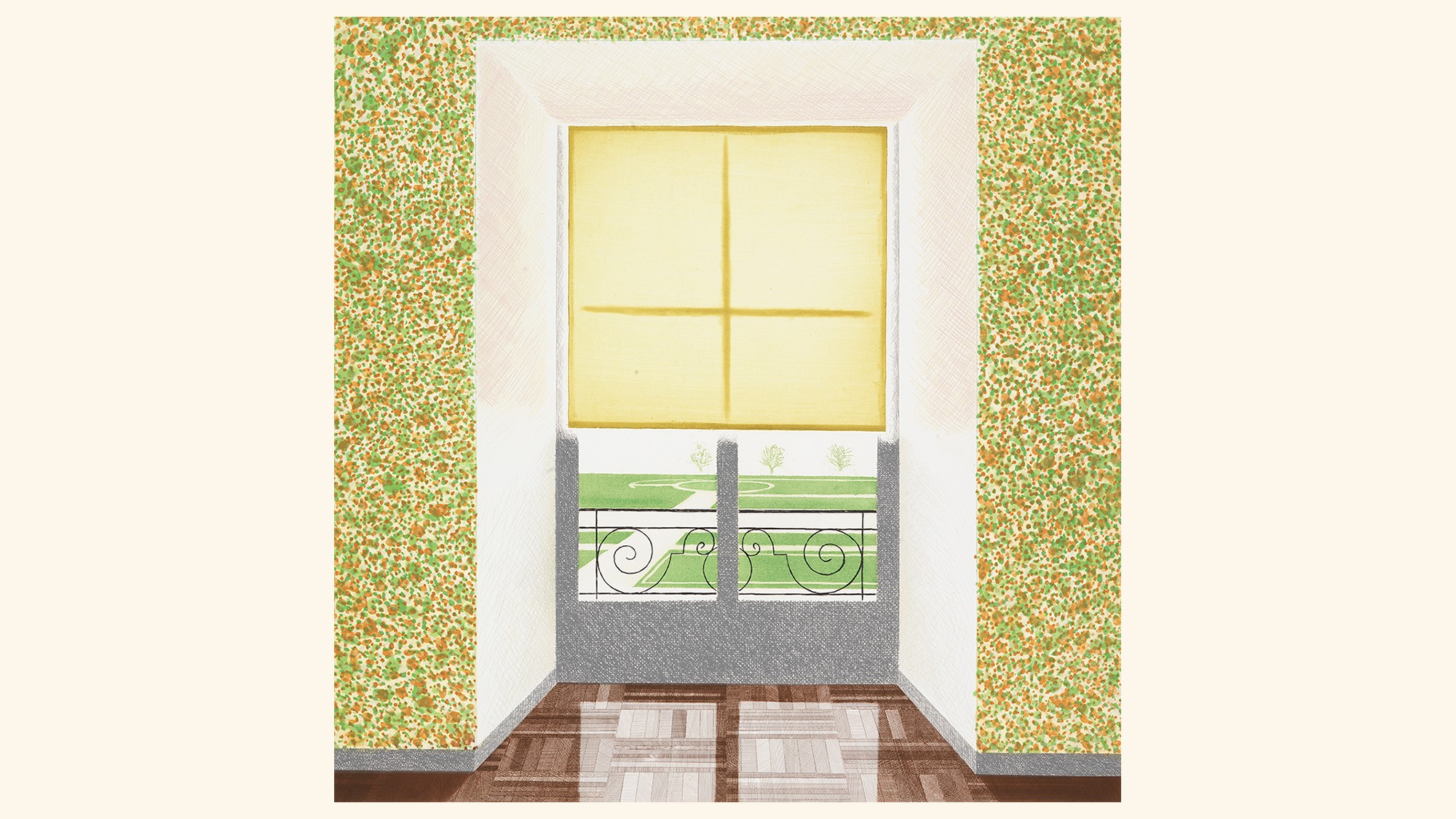
- Hockney rejected Renaissance single-point perspective by shifting the vanishing point behind the viewer or splitting it in multiple directions, arguing human vision is "dynamic, constantly shifting" rather than frozen and static
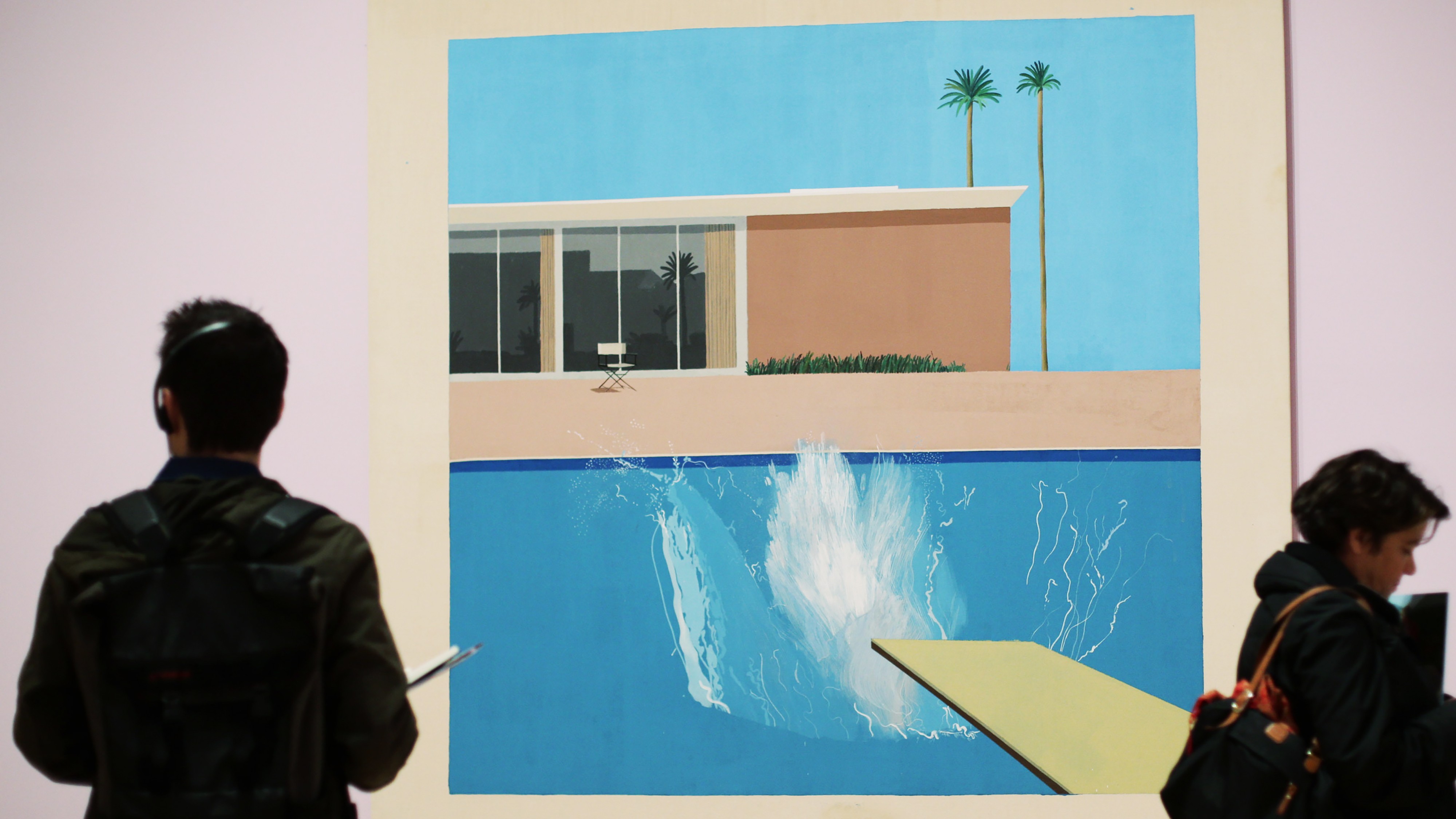
- Hockney moved to California in 1964 and spent decades producing "hyper-stylised, ultra-cool visions" of LA's pools, palm trees, and postmodern architecture, ultimately defining how the city is visually remembered
- Hockney used Polaroid collages to bridge photography and painting, snapping the same subject from multiple angles to create "kaleidoscopic visions" that fed directly back into his painted compositions
- Hockney elevated landscape to monumental scale with his 2007 paintings of Woldgate forest in Yorkshire, pushing rural scenery to dimensions traditionally reserved for "history, scenes from the Bible, national liberation"
- Hockney took up iPad painting in his later years despite critics calling the digital works "unaccountably messy" and decrying the "loss of the artist's hand"
- Hockney designed theatre and opera sets throughout his career, including Alfred Jarry's Ubu Roi at London's Royal Court in 1966, plus productions of Tristan und Isolde, Turandot, and The Magic Flute
- Hockney's early work — filled with "enormous phalluses" and "chaotically intertwined" bodies — was a bold move for a young gay artist in 1960s London, helping open space for later generations of queer artists to express themselves openly
Why it matters: Hockney's career arc, from a Bradford neighbour calling art school students "lazy buggers" to a 2025 immersive takeover of London's Lightroom venue, shows how a single artist can redraw both the visual conventions of painting and the tools used to make it. His willingness to absorb Polaroids, iPads, and stage design into fine art practice prefigured the digital-native art world that followed. The retrospective also reframes his bawdy early imagery as a deliberate, risky act of visibility at a time when being an openly gay artist carried real cost.
Ask SkimNews