WFP: 45M More at Risk of Acute Hunger From Iran War — SkimNews
Get the Energy newsletter
Daily energy & climate — solar, EVs, oil, the policy fights and tech bets shaping the transition. Free.
- The World Food Programme projected that nearly 45 million more people could fall into acute food insecurity if the Middle East conflict continues past mid-2026 and oil remains above $100/barrel, on top of 318 million already food insecure globally.
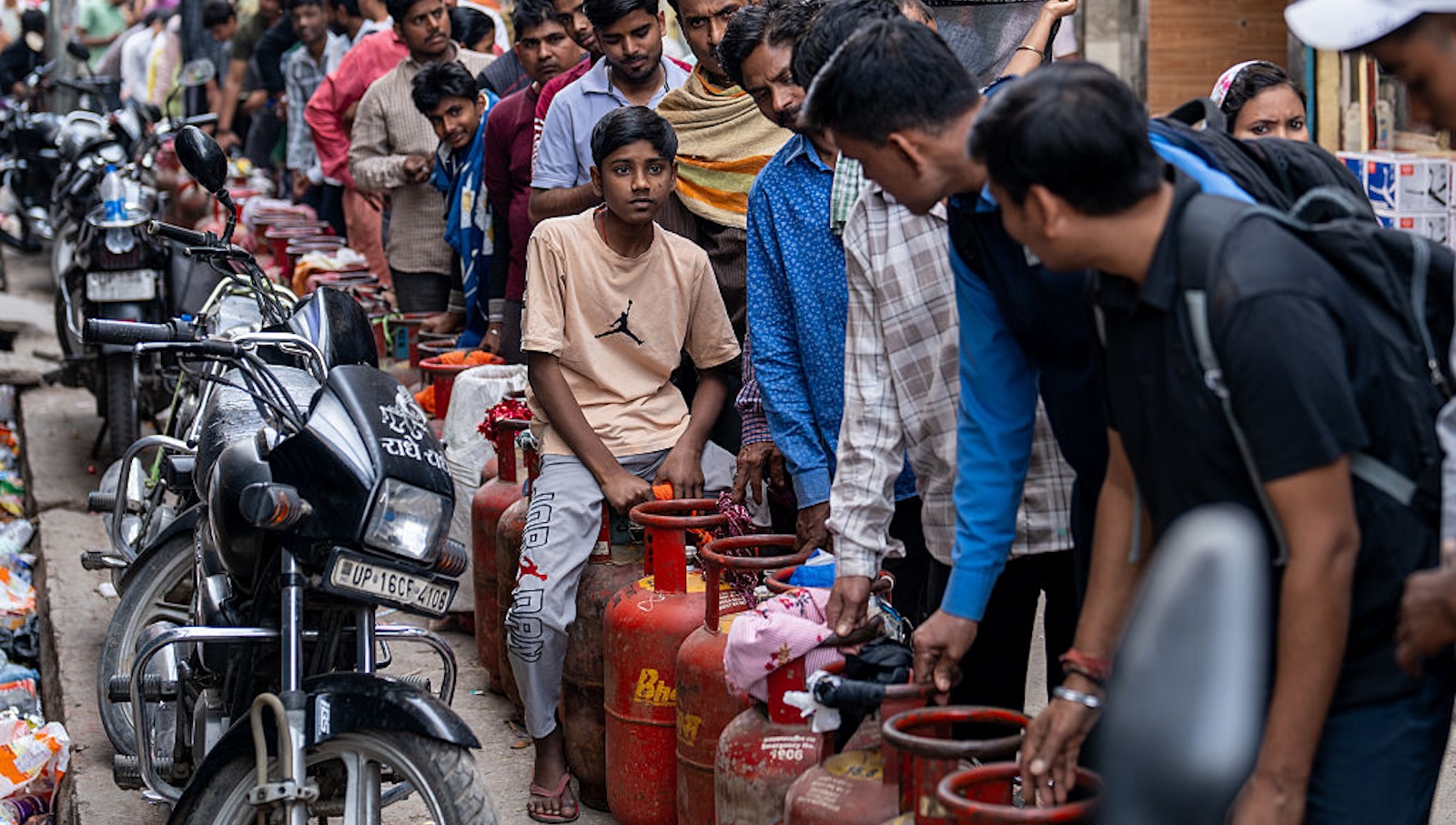
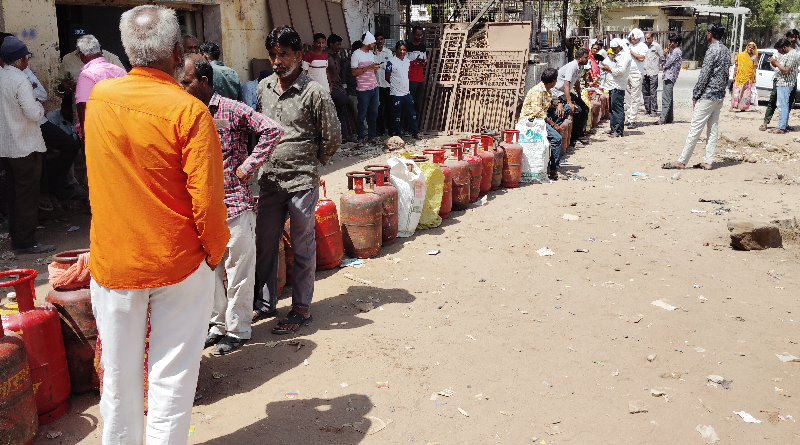
- The US war against Iran has displaced over a million people in Lebanon and pushed the Strait of Hormuz into a near-total shipping standstill, disrupting energy, fuel, and fertilizer flows.
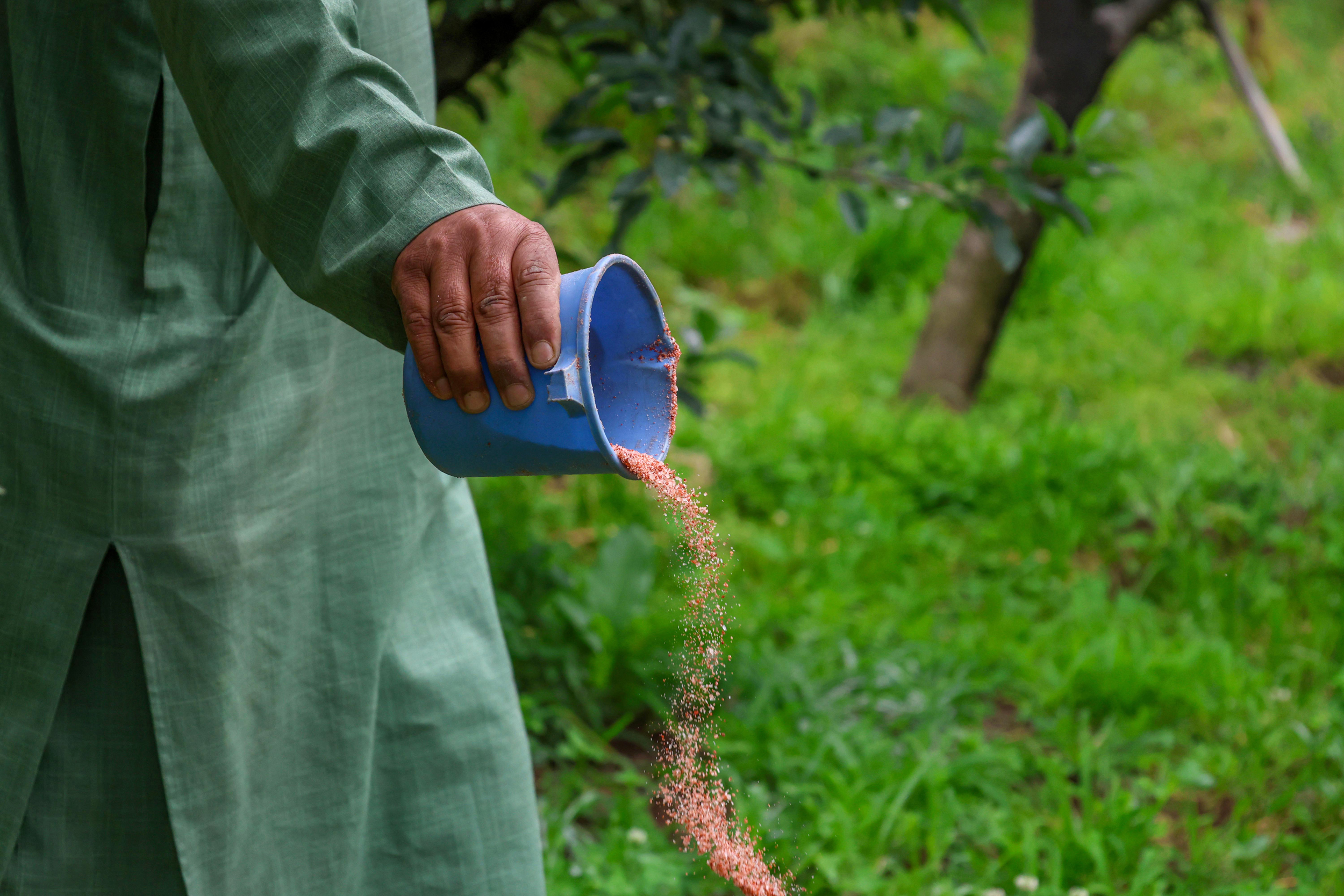
- Nitrogen fertilizer production accounts for roughly half of total crop system emissions and is essential to industrial agriculture, yet depends heavily on Strait of Hormuz shipments with no strategic reserve available.
- Iran and the surrounding region supplies almost half the world's sulfur, a key ingredient in phosphate fertilizers, making spring planting in the northern hemisphere especially vulnerable to disruption.
- President Trump made no mention of fertilizer or food in press conferences about the war, while having defunded USAID, whose programs had saved over 90 million lives over the past 20 years.
- Ginni Braich of the University of Colorado Boulder's Better Planet Laboratory told Mother Jones that the Strait of Hormuz shutdown "really underscores how interconnected everything is" and how fragile global food systems are to small disruptions.
Why it matters: The world's most vulnerable absorb the costs of a war that benefits Big Ag and Big Oil. With one in seven US residents already food insecure and USAID defunded (after programs saved 90 million lives over 20 years), the WFP's 45-million-person warning lands at a moment when the US has shed its primary humanitarian lever, and spring planting in the northern hemisphere is about to collide with a Strait-of-Hormuz-dependent fertilizer chain that has no strategic reserve.
Ask SkimNews