Astrocytes Control Fear Memories, Study Shows — SkimNews

Get the Health newsletter
Daily health & science — research, biotech, public health, the studies worth knowing. Free.
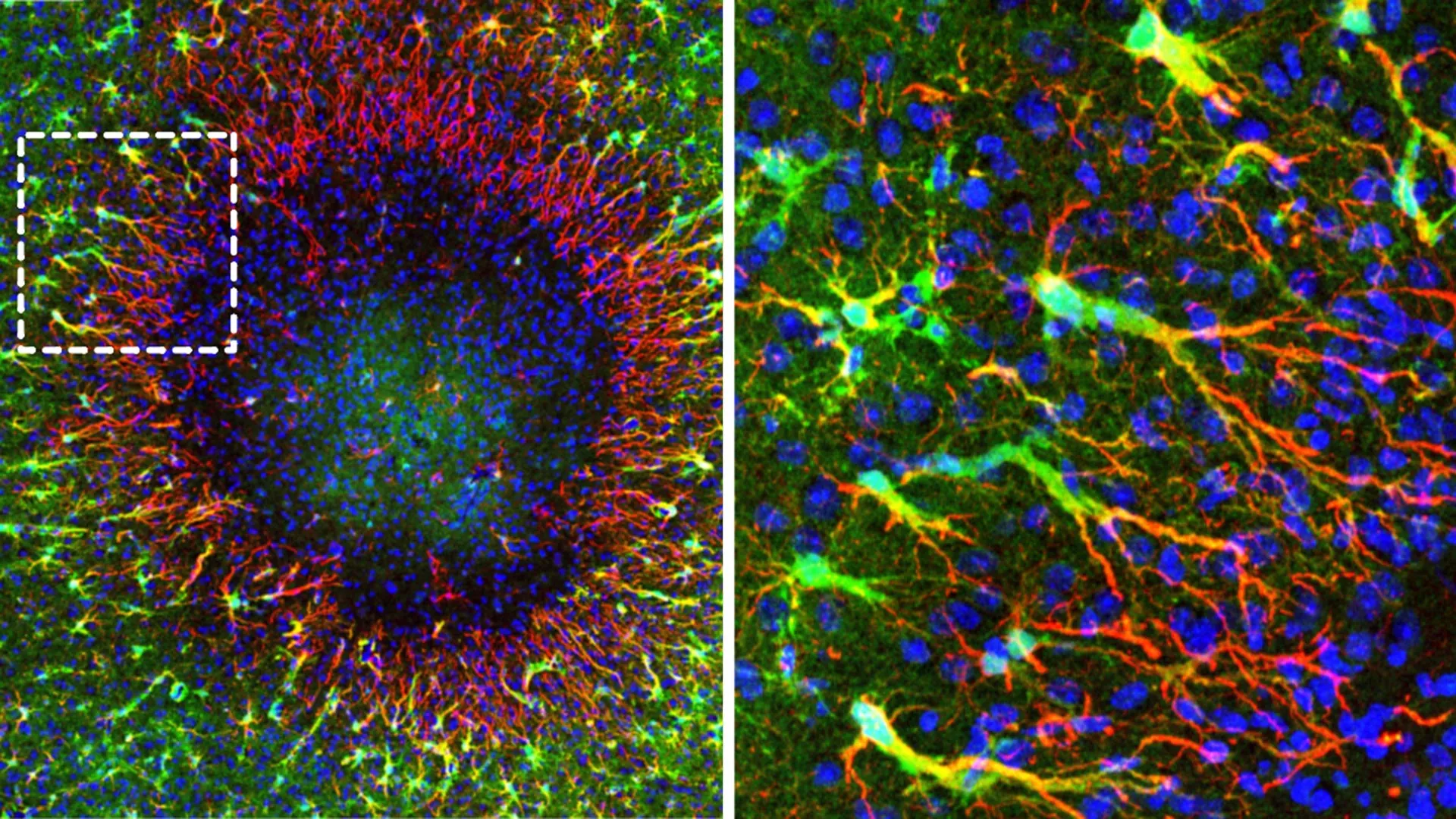
- Astrocytes encode and maintain neural fear signaling in the amygdala, directly influencing how fear memories are formed and recalled, according to research published in Nature.
- University of Arizona researchers led by Lindsay Halladay found that increasing astrocyte activity intensified fear memories, while reducing it weakened fear responses in mice.
- Neurons in the amygdala failed to form normal fear-related activity patterns when astrocyte signaling was disrupted, showing astrocytes are essential for proper neural circuit function in fear processing.
- Fear extinction was mirrored by declining astrocyte activity, indicating these cells play a dynamic role in both sustaining and letting go of fear memories.
- The prefrontal cortex received altered fear-related signals when astrocyte activity changed, suggesting astrocytes help coordinate communication across brain regions involved in fear and decision-making.
- Lindsay Halladay plans to expand research into astrocyte function across the broader fear circuit, including the periaqueduct, to understand maladaptive fear responses in anxiety disorders.
Why it matters: This discovery shifts the focus of fear-related disorder treatments from neurons alone to include astrocytes, meaning future therapies for PTSD and anxiety could target these cells to more effectively weaken persistent fear memories—potentially improving outcomes for millions who don't respond to current neuron-centric treatments.
Ask SkimNews