Ukraine Solar Buildout Doubles Amid Russian Grid Strikes — SkimNews
Get the Energy newsletter
Daily energy & climate — solar, EVs, oil, the policy fights and tech bets shaping the transition. Free.
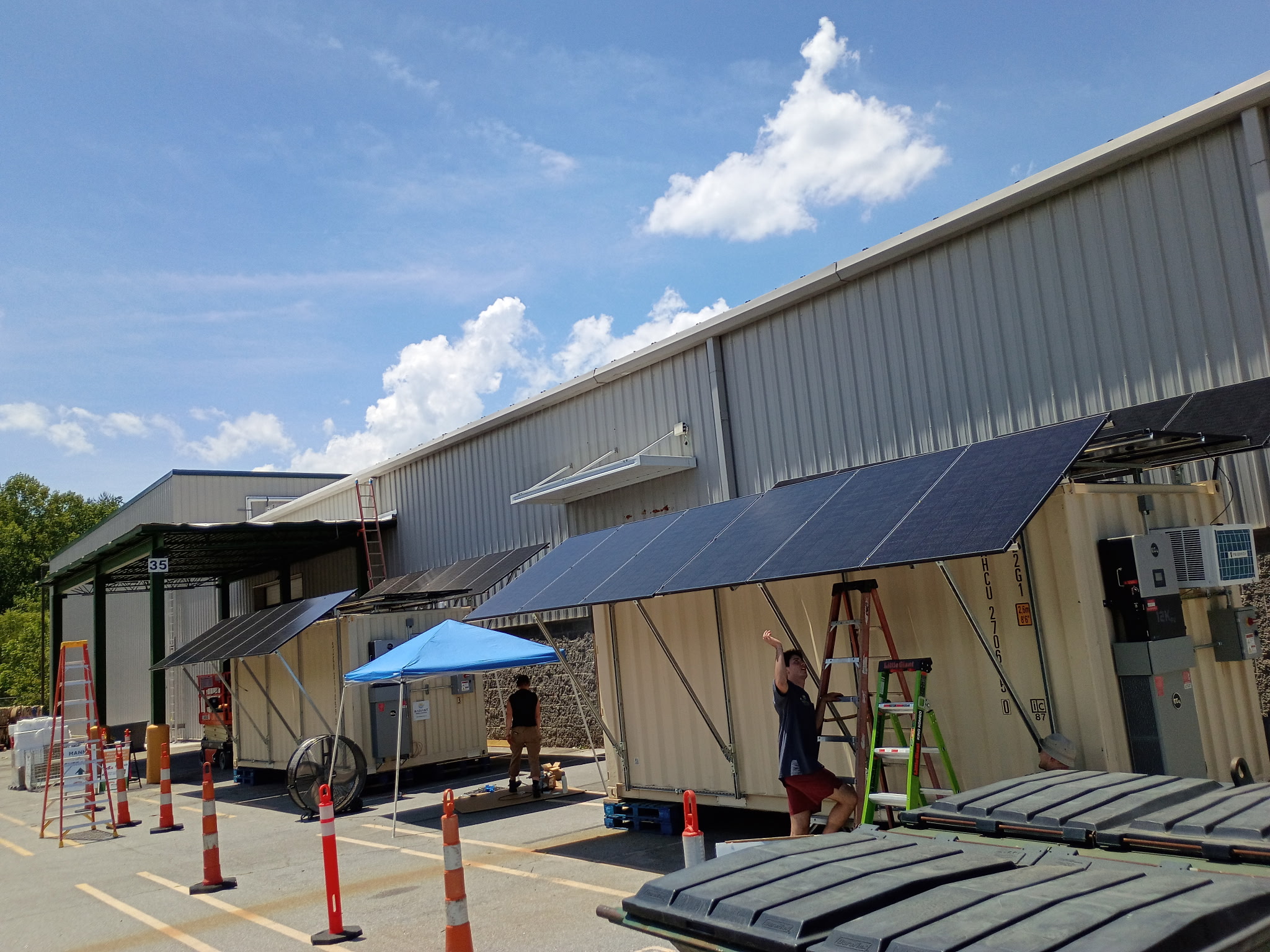
- Yasno, a private Ukrainian electricity and gas supplier, installed solar panels at 117 sites with a combined capacity of 23 megawatts over the past two years, resuming operations in summer 2024 after pausing for the first two years of the war.
- Ukraine's solar and wind infrastructure suffered massive losses since the 2022 invasion: roughly 30% of installed solar capacity and most of the country's 36 southern wind farms were destroyed, fell under Russian occupation, or are unaccounted for, while the Zaporizhzhia nuclear plant remains shut down under Russian control.
- Ukraine's Solar Energy Association estimated that 1.5 GW of new solar capacity was built in 2025 — nearly double the prior year's total — and expects 2026 installations to at least match that pace.
- Ukraine's "Affordable Loans 5-7-9" program offers loans at 5%, 7%, or 9% interest rates covering up to 80% of solar installation costs, fueling adoption by businesses and residential buildings.
- Yaroslav, owner of a door manufacturing facility in Bila Tserkva, switched to rooftop solar earlier this year after repeated Russian attacks triggered mass power outages that forced his workers to burn discarded wood in a fireplace to keep the warehouse warm.
- Russia's energy strikes worsened Ukraine's electricity deficit, with Ukraine's National Bank raising deficit assumptions from 3% to 6% this year; during last winter's bombardments, Kyiv had only half the electricity supply it needed and Zelenskyy declared a state of emergency.
- Kosmo Tabir, an NGO founded by Denny Ugorchuk, installs solar panels and battery systems in frontline villages cut off from the grid, funded by international partners and local donations — work Ugorchuk calls "a basic human right."
Why it matters: Ukraine's pivot from centralized nuclear generation to distributed solar — supported by the 5-7-9 loan program (up to 80% of installation costs) and firms like Yasno (117 sites, 23 MW) — gives businesses and frontline communities operational autonomy that centralized plants cannot provide when Russia systematically targets the grid, reshaping the country's post-war energy architecture.
Ask SkimNews