The New Energy Stalemate in Ukraine — SkimNews

Get the Geopolitics newsletter
Daily geopolitics — wars, elections, sanctions, the diplomatic moves that move markets. Free.
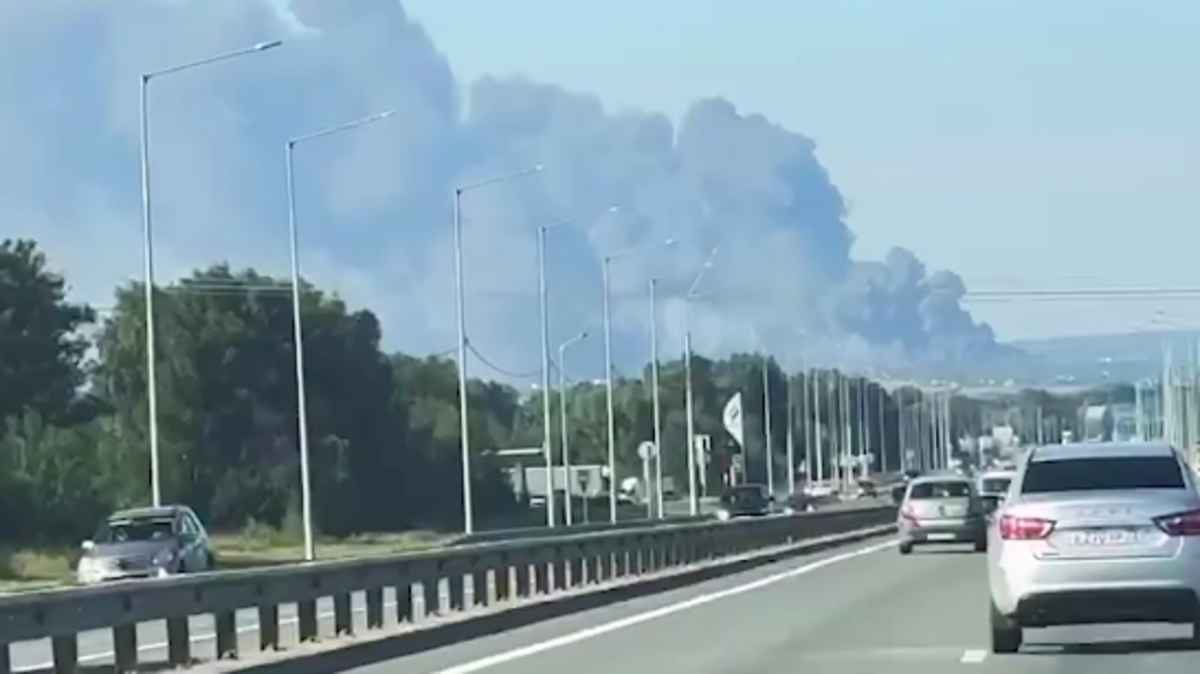
- Ukraine has reduced Russian refinery throughput by roughly 30% since mid-2025 through drone strikes, including successful attacks on facilities as far as 1,800 miles from its border.
- Russia launched 12,800 missiles and drones at Ukrainian energy facilities in 2025 and early 2026, a massive escalation from 2,800 in the war's first three years, damaging more than ten facilities in an October 19 barrage.
- The U.S. Trump administration has demanded Ukraine suspend attacks on Russian refineries and entered a deal waiving sanctions on Russian diesel exports, while also proposing Europe increase purchases of Russian gas.
- Ukraine has adapted with distributed power generation, battery storage, and increased gas reserves (13.1 billion cubic meters as of August), but local heating infrastructure remains vulnerable to repeated attacks.
- Russia has compensated for refinery damage by loosening fuel standards, subsidizing imports, and using Belarus for processing, but these measures come at a cost to consumers, companies, and the state.
Why it matters: The energy war imposes a severe economic burden on Ukraine, forcing businesses to rely on generators and weakening the tax base, while Russia faces a 10% gasoline shortfall and costly workarounds. For both sides, the conflict demonstrates that targeting energy infrastructure can inflict pain but is unlikely to deliver a decisive military victory.
Ask SkimNews