NY, NJ, MA Accelerate Renewables as Fossil Prices Surge — SkimNews
Get the Energy newsletter
Daily energy & climate — solar, EVs, oil, the policy fights and tech bets shaping the transition. Free.
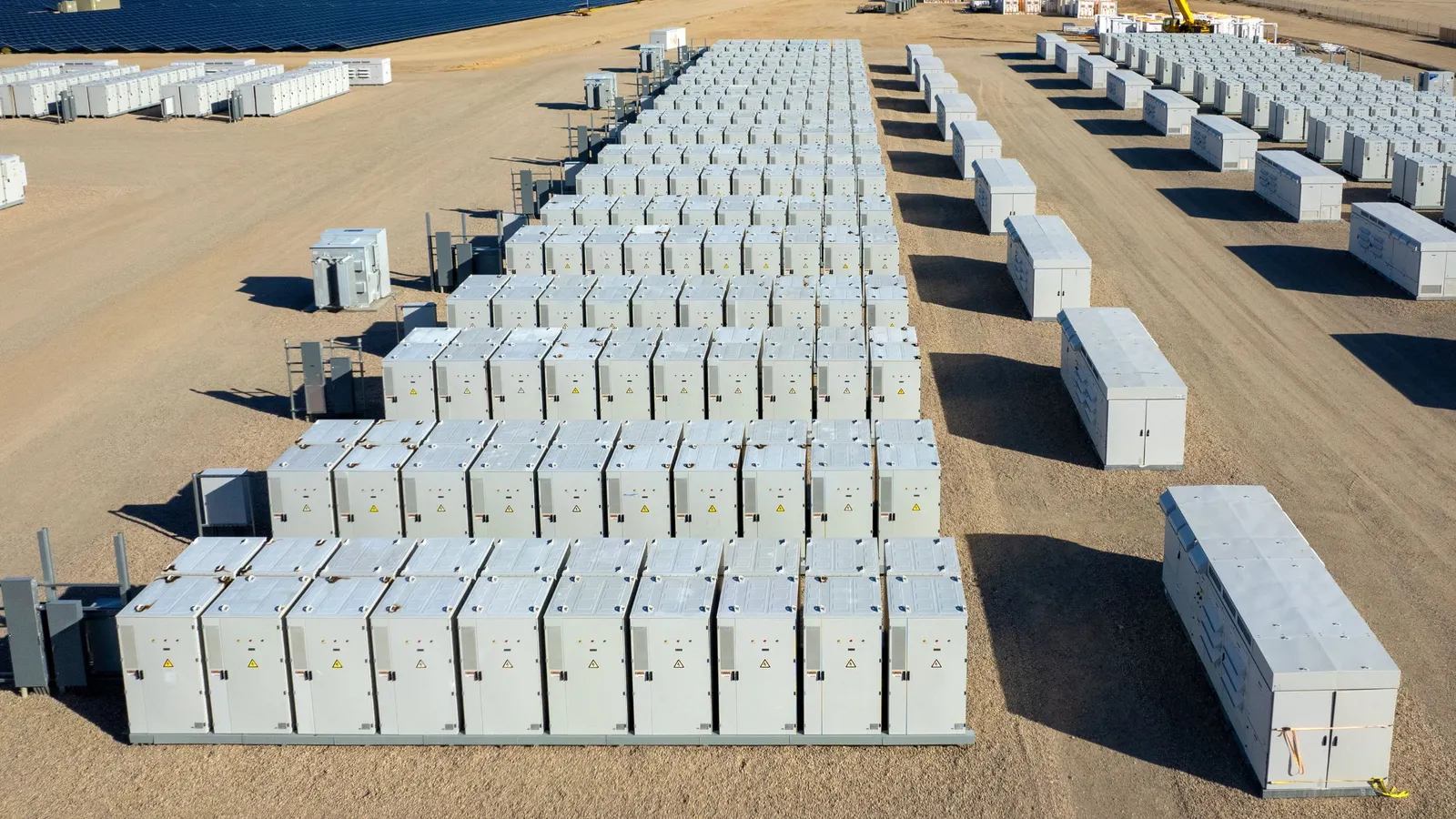
- Fossil fuel prices in the US are rising due to global commodity swings, while renewable energy and storage now dominate new utility‑scale generation capacity.
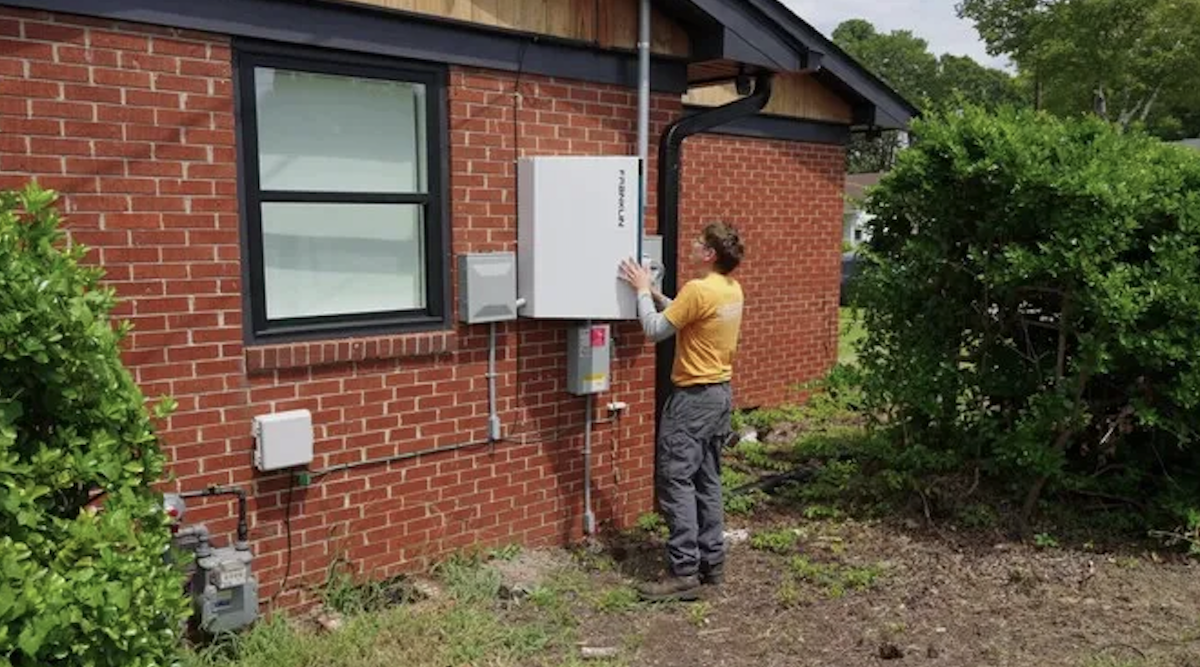
- FranklinWH Energy Storage offers New York homeowners a home battery system that can qualify for roughly $3,000 in incentives and save about $200 per year through participation in utility demand‑response programs.
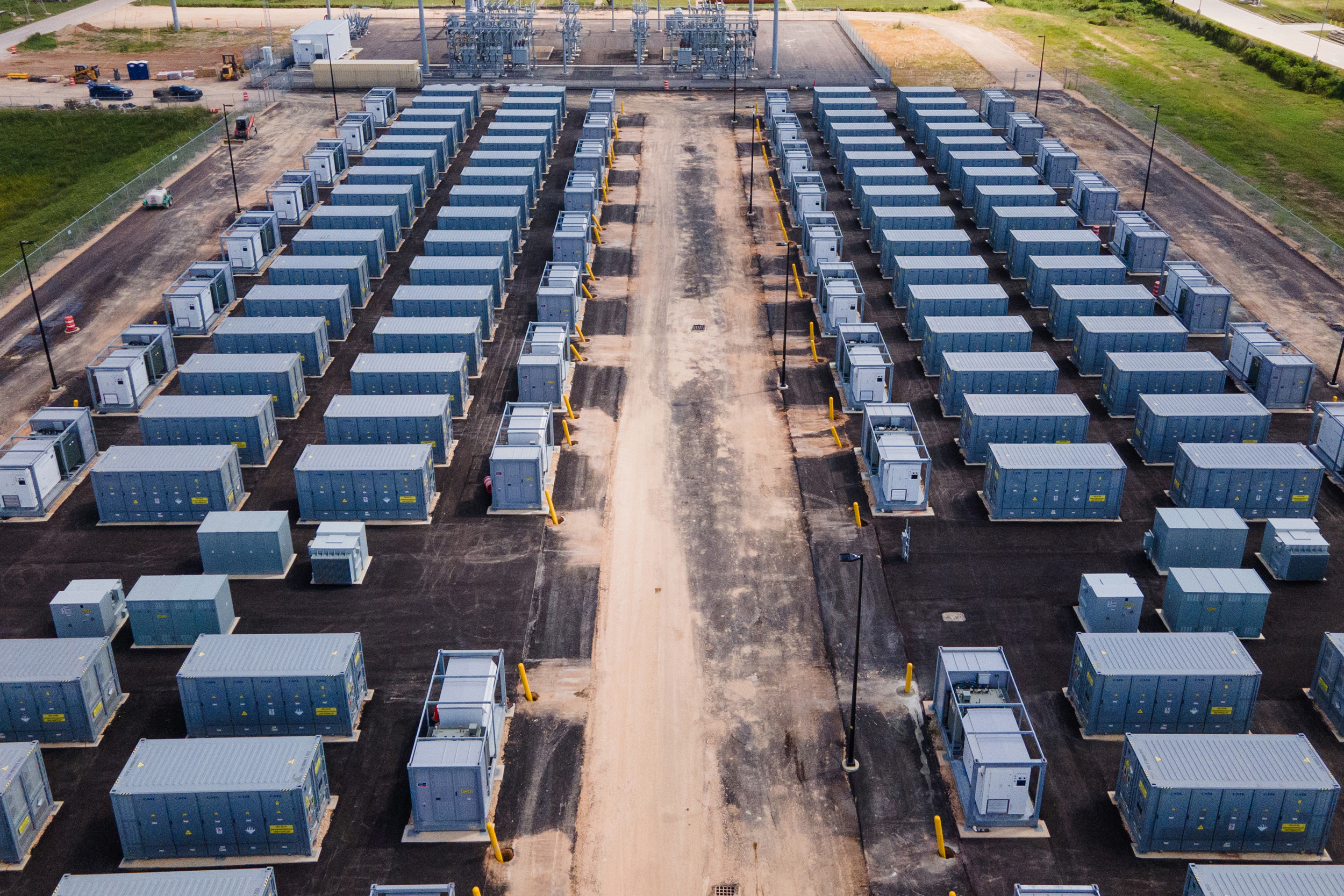
- New Jersey Board of Public Utilities approved a 10‑MW floating solar array at the Wanaque Reservoir and two additional floating solar projects totaling 14.1 MW, as part of a broader incentive package that also includes three storage projects projected to generate $169 million in lifetime savings.
- Massachusetts Governor Maura Healey signed Executive Order 654, setting a goal of 10 GW of new supply‑ and demand‑side capacity and 5 GW of storage by 2035, with 4 GW of in‑state solar and 3.5 GW of demand‑reduction measures.
- Solar Energy Industries Association estimates Massachusetts ratepayers could save more than $313 million per year by 2030 from solar and storage alone, and the state’s EO 654 aims for $10 billion in total savings.
- US Energy Information Administration notes that despite geopolitical tensions, the war in Iran is not expected to significantly affect US natural‑gas prices, though cold weather can still cause price spikes.
Why it matters: Homeowners and ratepayers gain direct savings from battery incentives, demand‑response payments, and community solar credits, while utilities avoid costly peaker plants and benefit from virtual power plants; states capture billions in long‑term cost reductions as fossil‑fuel price volatility persists and reduce reliance on imported fuels.
Ask SkimNews