France, South Korea Vow to Reopen Strait of Hormuz — SkimNews
Get the Geopolitics newsletter
Daily geopolitics — wars, elections, sanctions, the diplomatic moves that move markets. Free.
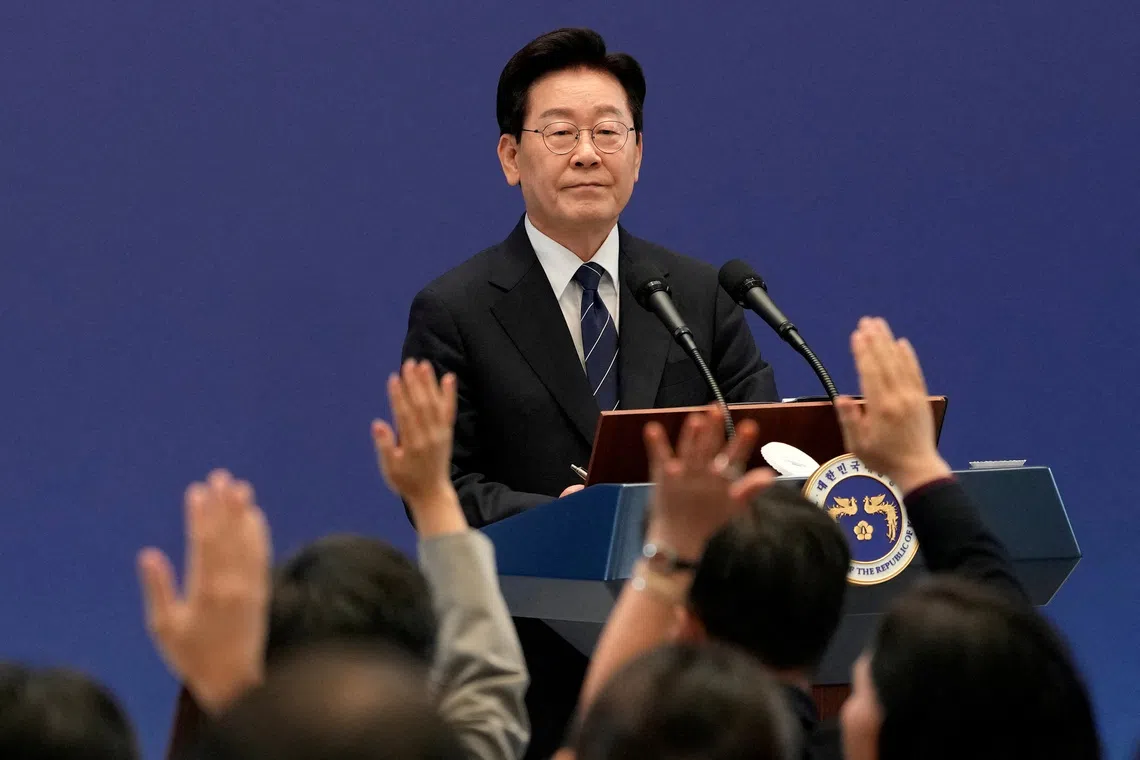
- Macron and Lee Jae Myung agreed in Seoul on April 3, 2026, to cooperate on reopening the Strait of Hormuz and de-escalating "West Asia animosities," while signing separate pacts on nuclear fuel supply chains, a southern South Korea offshore wind project, and critical minerals.
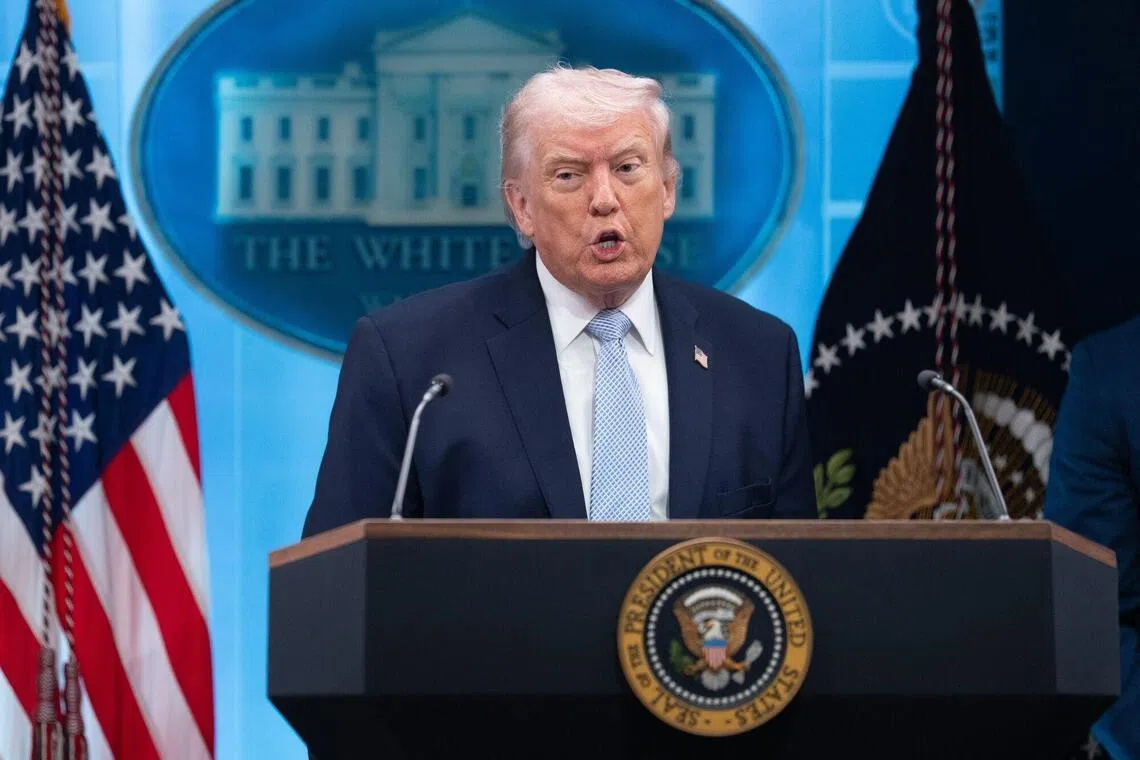
- Trump told allies in an April 1, 2026 speech that Americans "don't need" the Strait of Hormuz, singling out South Korea, Japan, and China — which he said "get 90% of their oil from the Strait" — and told them to "grab it and cherish it."
- Macron said a military operation to reopen the Strait was "unrealistic," directly contrasting with Trump's push for allied boots-on-the-ground action against Iran.
- South Korean officials said Seoul was in contact with Washington but was not considering paying Iran transit fees to secure fuel shipments through the strait.
- The US stations roughly 28,000 troops in South Korea — not the 45,000 Trump cited — with the deployment meant to deter North Korea, not to project power into the Middle East.
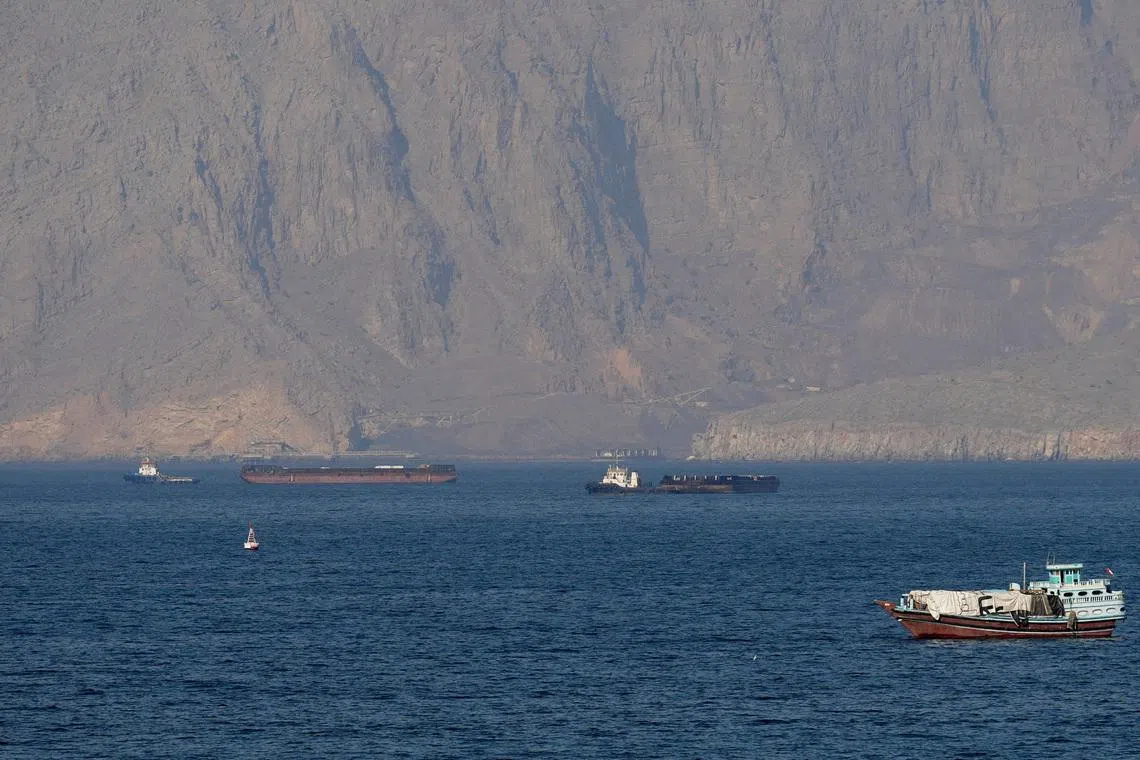
Why it matters: With Trump publicly demanding allies secure a strait through which one-fifth of global oil flows, France and South Korea are aligning on a diplomatic track while explicitly ruling out the military operation Trump seems to want. The troop-count error and Seoul's refusal to pay Iran transit fees underscore how the US and its key Asian allies are diverging on how to contain Tehran, not just on rhetoric.
Ask SkimNews