Austrian GP declared heat-hazard race amid heatwave — SkimNews
Get the Sports newsletter
Daily sports — scores, transfers, the storylines from the leagues you actually follow. Free.
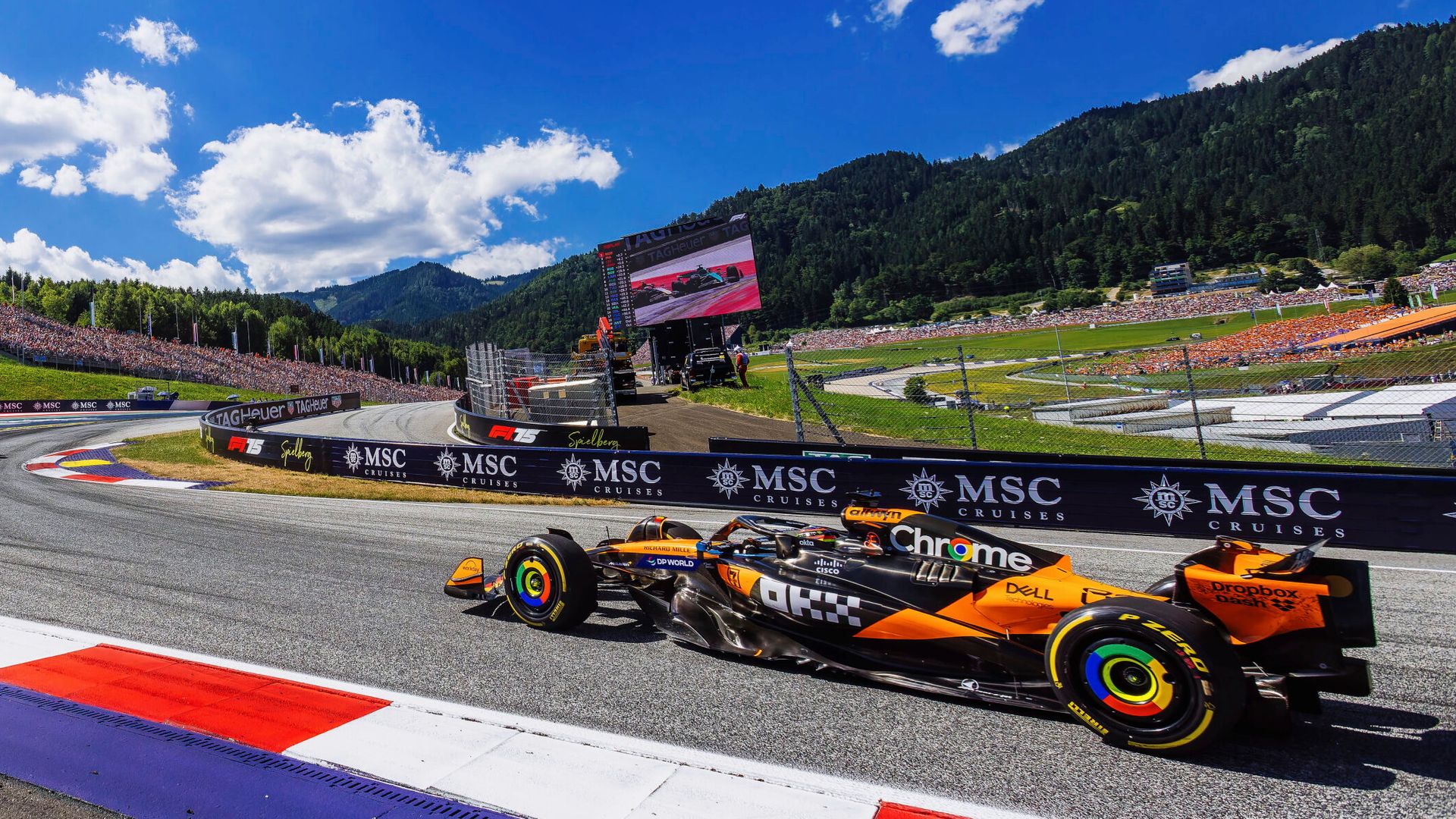
- FIA declared the Austrian GP a heat-hazard race after forecast track temperatures crossed the 31°C threshold while cars are on track, making it the first such designation of 2026.
- The heat-hazard rule, first used last year at the Singapore and US Grands Prix, lets drivers wear a vest circulating coolant like glycol through pipes sewn into a fireproof under-layer — but any driver who declines must carry 5kg of ballast to remove the competitive edge.
- Red Bull's Isack Hadjar dismissed the cooling kit, saying it works for about 10 minutes before the liquid warms to car temperature, and that he has never reached a point where he truly needed the vest.
- McLaren's Oscar Piastri said he plans to use the vest this weekend, calling it a marginal help but warning that a system that fails mid-race leaves drivers worse off than running without it.
- Cockpit temperatures in an F1 car can exceed 40°C, with drivers wearing multiple fireproof layers plus a balaclava and helmet — the backdrop that makes the heat-hazard designation a genuine safety intervention rather than a procedural formality.
- The Austrian GP trigger comes amid a broader European heatwave that has set record temperatures in multiple countries, including the UK.
Why it matters: The 5kg ballast penalty means any driver who skips the cooling kit does so at a measurable pace cost, giving teams a direct safety-versus-performance tradeoff baked into the rule. With cockpit temperatures above 40°C and most of the grid openly skeptical of the cooling vest's reliability over a full race distance, the FIA is forcing a technology decision the drivers themselves aren't yet convinced works.
Ask SkimNews