‘Forcing a reckoning’: How Asia is preparing for a ‘supersized’ El Niño — SkimNews

Get the Energy newsletter
Daily energy & climate — solar, EVs, oil, the policy fights and tech bets shaping the transition. Free.
- The World Food Programme warned ~50 million people will probably be pushed into acute hunger, while UN Secretary-General António Guterres said the weather system was "being supersized before our eyes."
- China launched a 100-day extreme-weather campaign and in July rolled out a national plan for cities to draw up "climate risk maps" flagging flood and heat vulnerabilities.
- Hong Kong revised workplace policies after its hottest day on record on 9 August, with employers now facing prosecution for failing to support staff during extreme heat.
- Taiwan held a mass exercise in early September simulating three consecutive days above 40°C, treating the weather threat with emergency protocols normally reserved for terror attacks or earthquakes.
- Sri Lanka is enduring its worst drought in a decade, with 160,000+ people facing drinking-water shortages, officials closing Yala national park tourist areas to tanker water to wildlife, and thousands of fish dead in Mullaithivu lagoon.
- South Korea overhauled its heatwave alert system for the first time in 18 years, adding a top tier that triggers guidance to halt non-emergency outdoor work at feels-like temperatures of 38°C.
- Japan recorded its first official "cruelly hot day" (kokushobi, a term introduced in April) in July and is now bracing for super-typhoons, with infrastructure officials pre-identifying high-risk underpasses after two motorists drowned in Chiba prefecture last month.
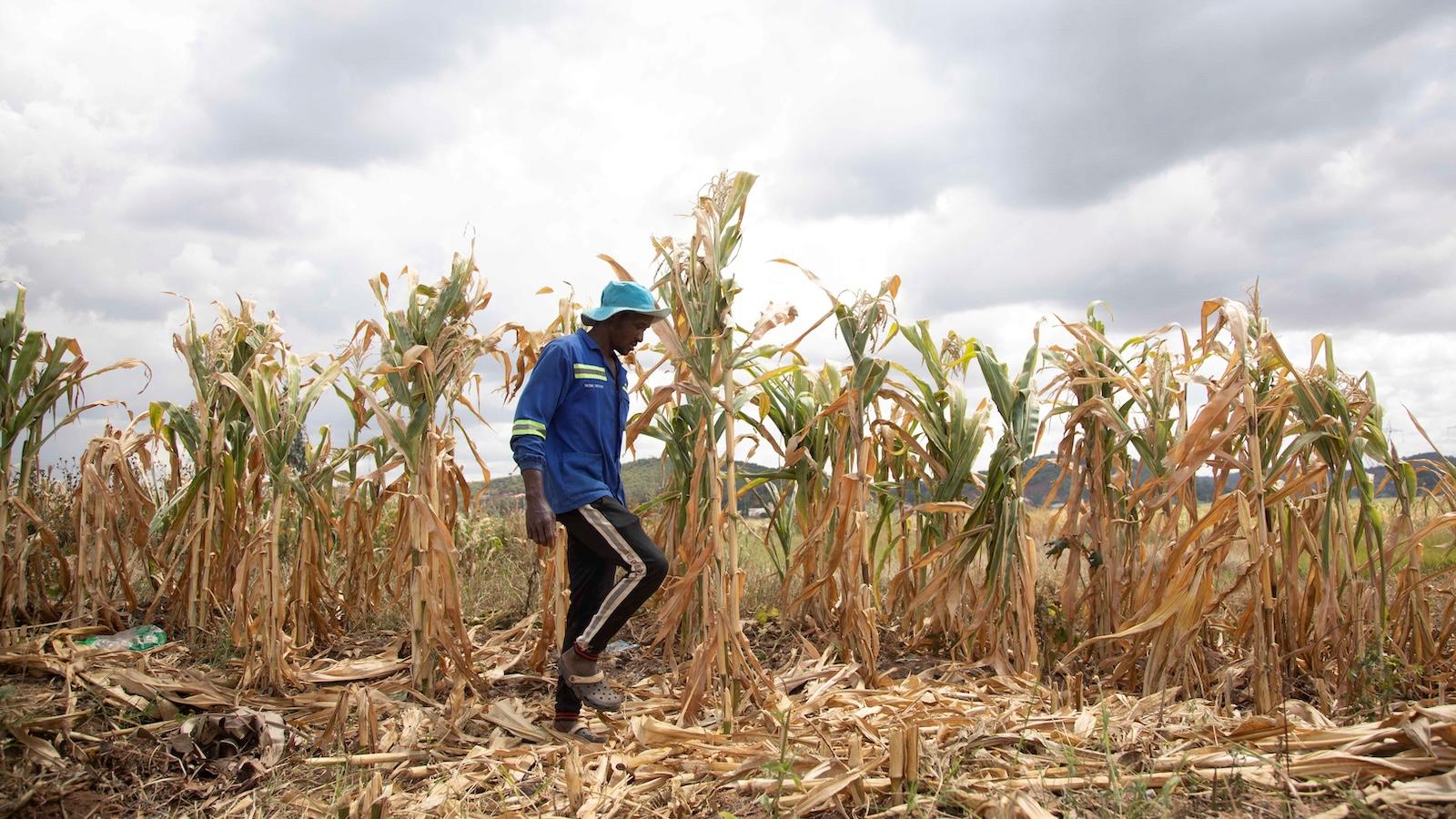
Why it matters: Asian governments are activating emergency-tier protocols — mass heat drills, workplace prosecution, drought contingencies, desalination prep — for an El Niño the WFP says could push 50 million into acute hunger, with south-east Asian rice yields already projected to fall 8-10% and the poorest families hit hardest by food price spikes.
Ask SkimNews