U.S. and Iran Sign MoU to End War — SkimNews

Get the Geopolitics newsletter
Daily geopolitics — wars, elections, sanctions, the diplomatic moves that move markets. Free.
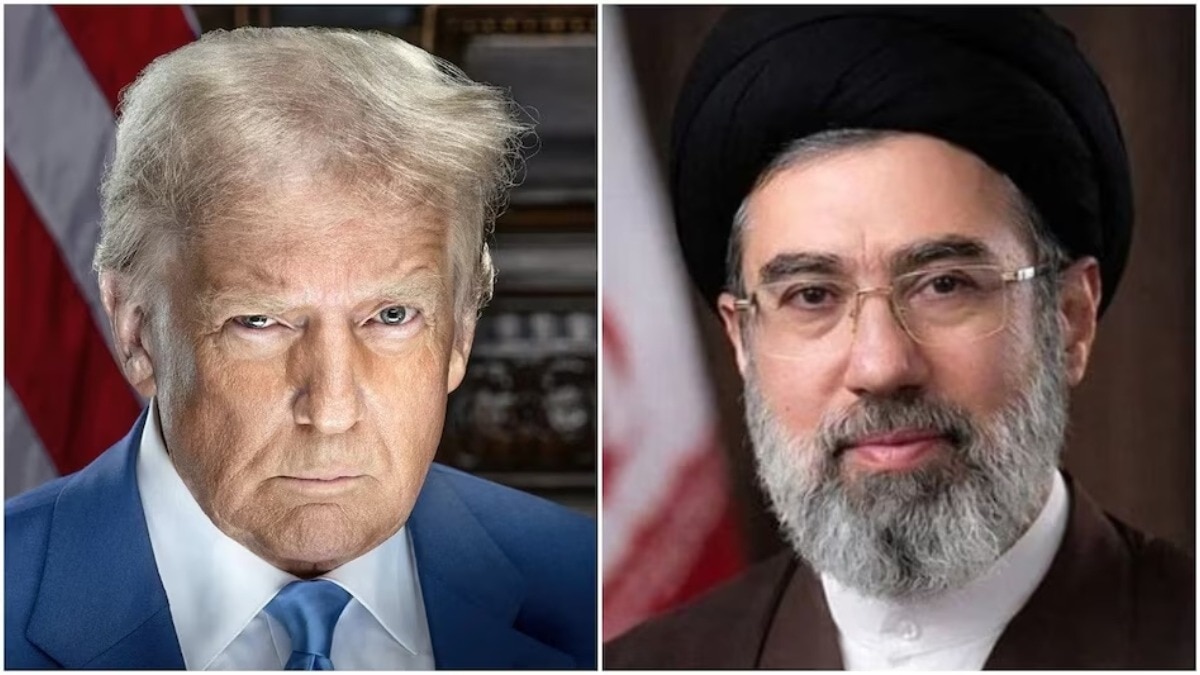
- U.S. and Iran signed the Islamabad MoU, with VP J.D. Vance and Iranian parliament speaker Mohammad-Bagher Ghalibaf signing electronically Sunday, followed by Trump and Iranian President Masoud Pezeshkian on Wednesday; Pakistan brokered the deal
- The agreement declares immediate and permanent termination of military operations on all fronts including Lebanon, with both sides committing to respect sovereignty and refrain from force or interference in internal affairs
- The U.S. will begin removing its naval blockade upon signing and fully end it within 30 days, with vessel traffic restored to pre-war levels, and will withdraw forces from Iran's proximity within 30 days after the final deal
- Iran reaffirms it will not procure or develop nuclear weapons, with disposition of stockpiled enriched material to be resolved via downblending on site under IAEA supervision
- The U.S. pledges to terminate all sanctions — UN Security Council resolutions, IAEA Board of Governors resolutions, and all unilateral primary and secondary sanctions — on an agreed schedule as part of the final deal
- The U.S. commits to a $300 billion reconstruction and economic development plan for Iran developed with regional partners, plus Treasury waivers for Iranian crude oil and petroleum exports and full release of frozen Iranian funds
- A final deal must be negotiated within a maximum of 60 days (extendable by mutual consent) and endorsed by a binding UN Security Council resolution; Iran will also engage Oman and other Persian Gulf states on Strait of Hormuz administration
Why it matters: The U.S. is committing to lift every category of sanctions and fund a $300 billion reconstruction of Iran — a sweeping economic concession — in exchange for Iran maintaining the nuclear status quo and accepting IAEA-supervised downblending of enriched material. The 60-day deadline to convert this framework into a UNSC-endorsed binding deal creates a hard clock for both sides to translate the MoU into a permanent agreement.
Ask SkimNews