US, Iran Sign Peace MoU, Geneva Ceremony Friday — SkimNews
Get the Geopolitics newsletter
Daily geopolitics — wars, elections, sanctions, the diplomatic moves that move markets. Free.
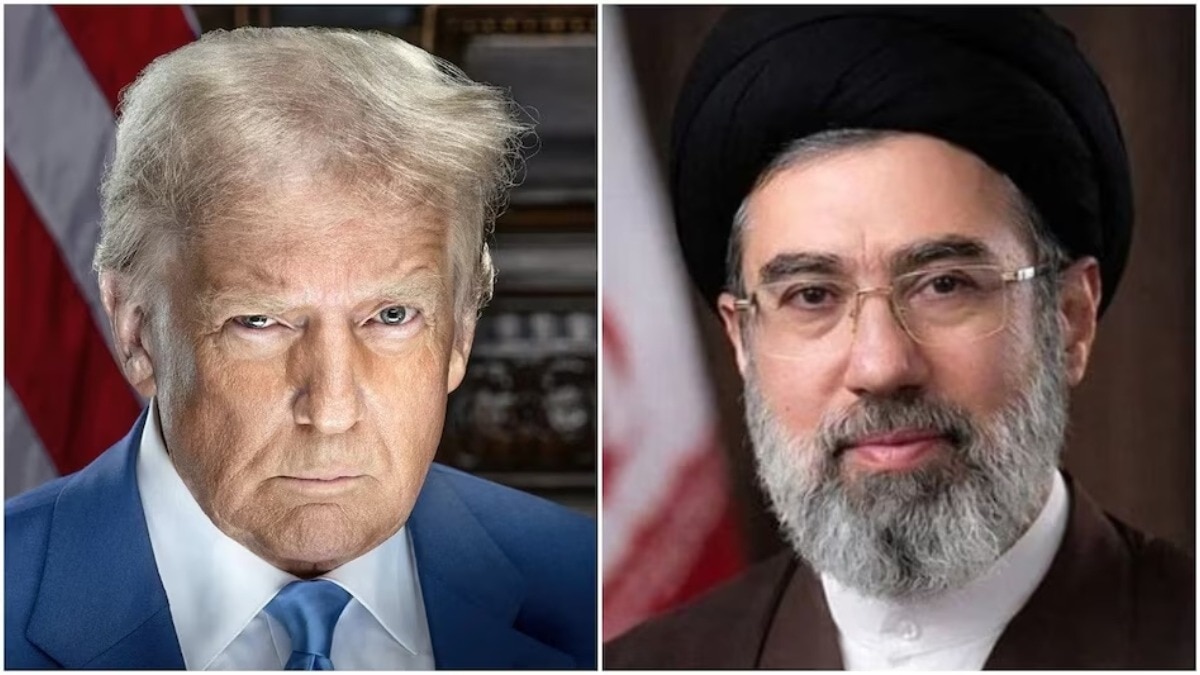
- Trump, along with VP Vance and Iranian Parliament Speaker Mohammad Bagher Ghalibaf, electronically signed the MoU; a formal ceremony is set for Friday in Geneva, and the full text is expected public within two days.
- The framework establishes a 60-day negotiation period to address remaining sensitive issues, including Iran's nuclear program.
- Trump said commercial vessels have begun moving through the Strait of Hormuz and that the critical shipping corridor would be fully open by Friday, though US military authorities warned that restrictions on Iranian ports remain in place.
- Hours after the agreement was reached, an Israeli drone strike killed one person in southern Lebanon — Iran has warned any lasting deal must end regional military operations, including against Hezbollah, while Israel insists it retains the right to act against such threats.
- Vance said the process could unlock access to a $300 billion reconstruction fund for Iran, financed by Gulf Arab states, if Tehran fulfills its nuclear commitments.
- Iranian President Pezeshkian said the Majlis had largely backed the MoU, crediting Supreme Leader guidance for including safeguards protecting national interests, while Israeli leaders adopted a more cautious tone and US-Jerusalem differences grew increasingly visible.
Why it matters: The $300 billion reconstruction fund Vance flagged hinges on Iran meeting nuclear commitments during a 60-day negotiation window, but the Israeli strike in southern Lebanon the same day and the widening US-Israel rift suggest the deal's durability depends on actors — Israel, Hezbollah-linked groups — that aren't at the table in Geneva.
Ask SkimNews


