Despite Mideast wars, 20 million gather in Iraq for Shia pilgrimage — SkimNews
Get the Culture newsletter
Daily culture — film, music, books, the trends and ideas worth your attention. Free.
- Pilgrims traveled to Karbala, Iraq for Arbaeen, the 40-day commemoration of Imam Hussein's killing in the 680 CE Battle of Karbala — the defining event that caused the permanent schism between Shia and Sunni Islam and is observed by roughly 200 million mainstream Shia worldwide.
- Iranian pilgrims joined the gathering in large numbers, with some walking 200 miles from the Iranian border and others arriving on package tours that include bus fare and a week in budget hotels; Iran said more than three million of its citizens attended ceremonies in Karbala.
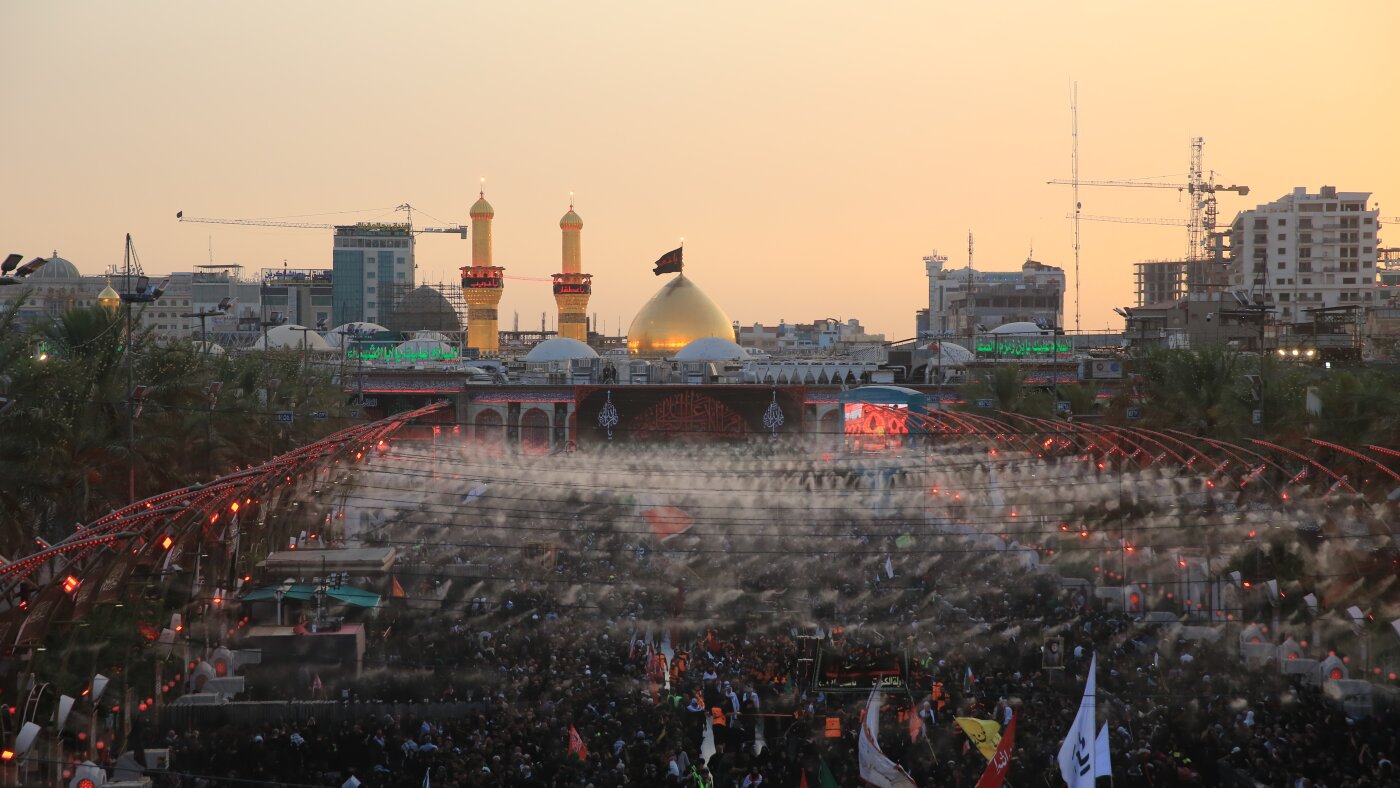
- Hospitality tents along the route offered free meals and shelter, while inside the Imam Hussein shrine, pilgrims pressed against gold and silver latticework around the spot where the imam was killed, with many striking their foreheads in grief and chanting in dozens of dialects.
- The 2003 U.S. invasion enabled Iraq's Shia majority to revive Arbaeen ceremonies previously suppressed under Saddam Hussein's rule, and Iran transitioned from an enemy in the devastating 1980s war into an ally of the post-Saddam Iraqi government.
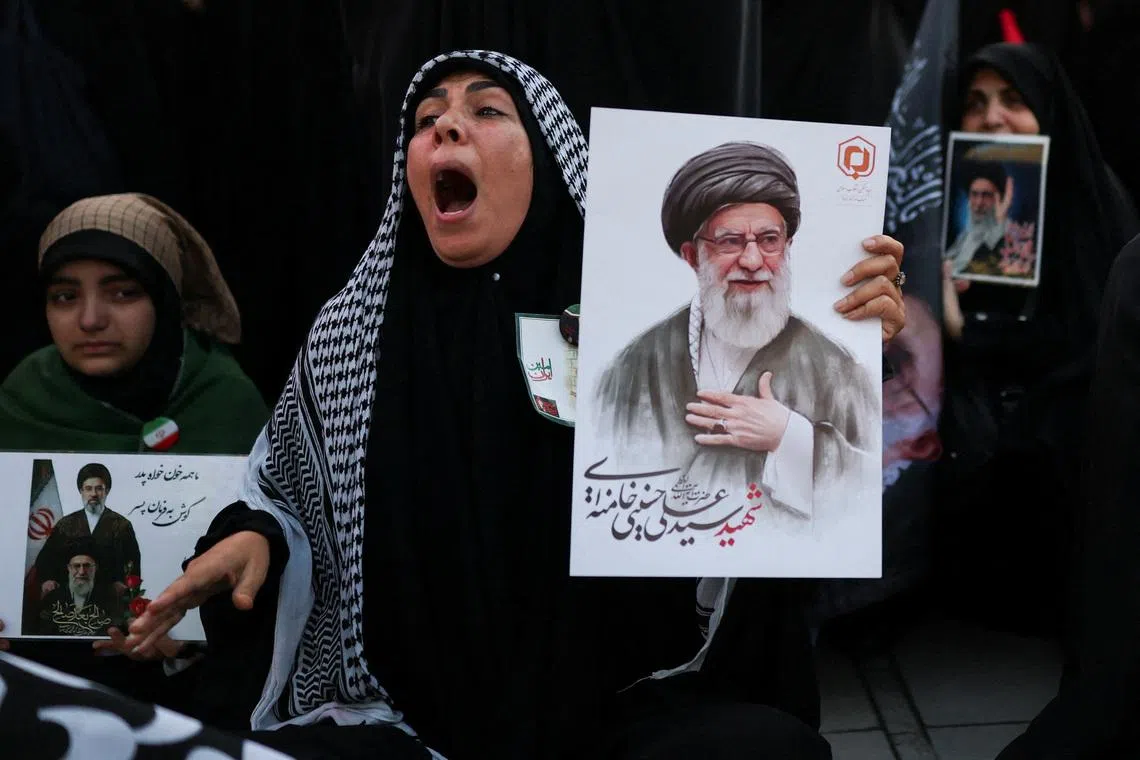
- Images of Qassem Soleimani, the former IRGC commander, and Abdul Mehdi al-Muhandas, head of Iraq's Iran-backed forces — both killed in a U.S. airstrike near Baghdad airport in January 2020 — appeared on banners carried by young male pilgrims alongside depictions of Imam Hussein with long hair and piercing green eyes.
- The shrine is decorated with red lights and flags during Arbaeen — red being the color of vengeance — with millions of mirrored tiles reflecting crystal chandeliers inside, and shrine guards flicking ostrich-feather sticks at pilgrims lingering to keep crowds flowing.
Why it matters: Arbaeen demonstrates the scale of Shia political and religious cohesion, with Iran as the demographic center and Iraq as the ritual homeland — a dynamic the 2003 invasion enabled by ending Saddam-era suppression of Shia ceremonies. The presence of Soleimani and al-Muhandas imagery on pilgrimage banners links contemporary Iranian state power to centuries-old religious tradition, showing how the gathering fuses faith and politics.
Ask SkimNews