Taiwan Fires HIMARS in First West Coast Anti-Invasion — SkimNews
Get the Geopolitics newsletter
Daily geopolitics — wars, elections, sanctions, the diplomatic moves that move markets. Free.
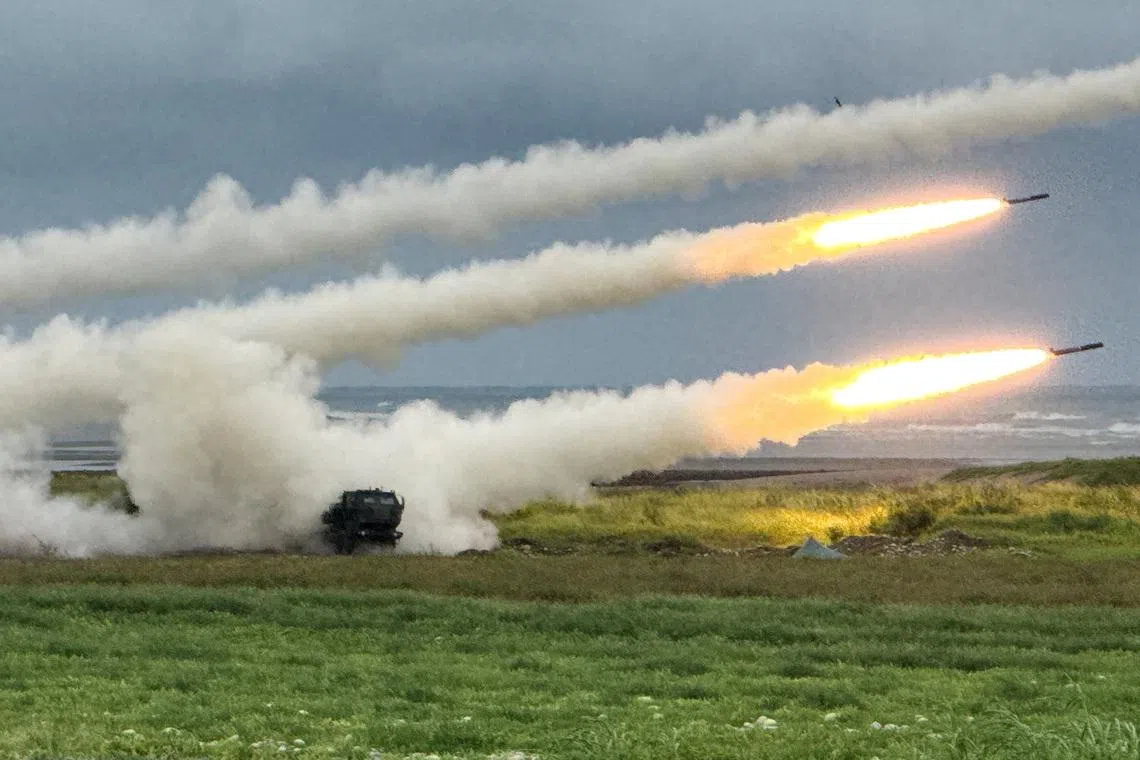
- Taiwan's military fired its Lockheed Martin HIMARS in central Taichung on June 10, the first time the system has been test-fired on the west coast after an initial firing on the east coast last year.
- HIMARS, with a range of about 300 km, could strike coastal targets in China's Fujian province across the Taiwan Strait, per the military's assessment of the weapon's reach.
- Company commander Ko Ming-pin said the unit 'demonstrated the solid combat capabilities of the unit and successfully completed this training,' highlighting HIMARS' ability to withdraw after firing to avoid counter-strike targeting.
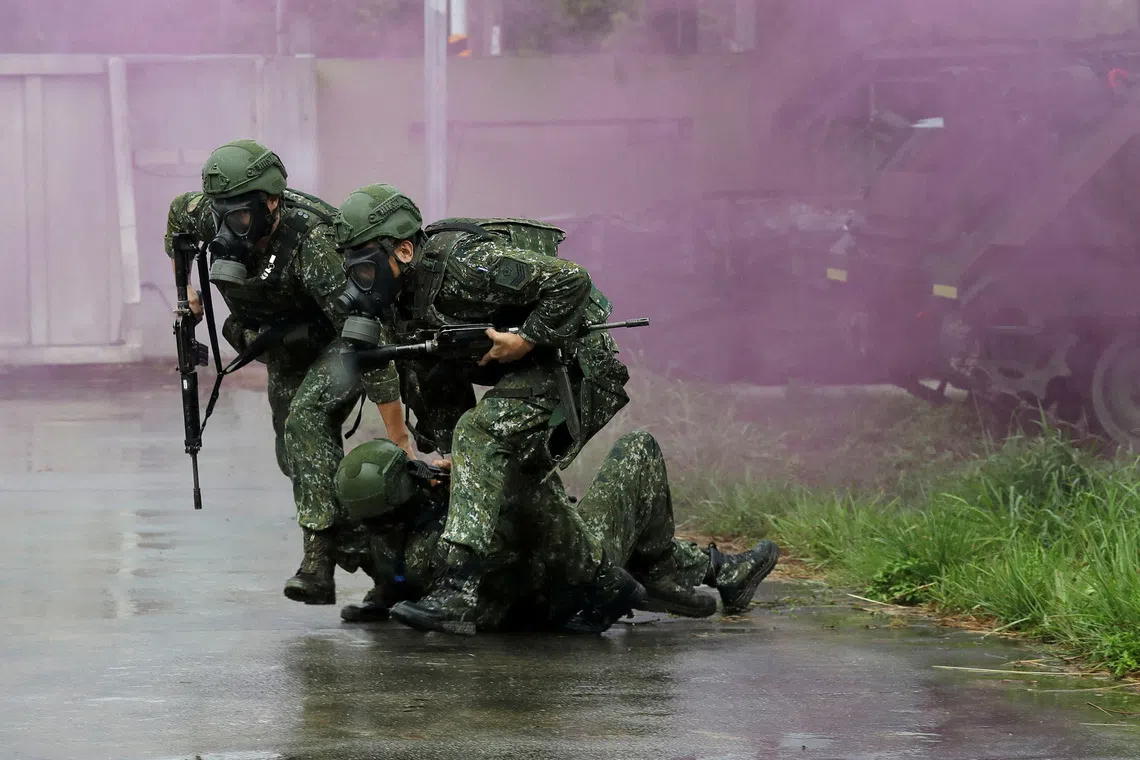
- Taiwan's military is modernizing around mobile, asymmetric weapons like HIMARS to turn the island into a 'porcupine' hard to attack, with the west coast's beaches and mud flats seen as the most likely Chinese landing zone.
- HIMARS — one of Ukraine's main strike systems in its war with Russia — will be paired with Taiwan's domestically developed Thunderbolt-2000 launchers (fired Tuesday) to target Chinese forces leaving port or attempting to land.
- China has never renounced the use of force against Taiwan and operates warplanes and warships around the island almost daily, while Taiwan's government says only the island's 23 million people can decide its future.
Why it matters: Taiwan is putting battle-proven US rockets on its most exposed coastline — the side facing a potential Chinese amphibious landing — giving it a mobile precision strike capability that can hit Fujian and then relocate before counter-fire arrives. That converts a defensive geography into a credible deterrent: the same HIMARS system that has shaped Ukraine's fight against Russia is now being integrated into Taiwan's anti-invasion playbook alongside its own Thunderbolt-2000 rockets.
Ask SkimNews