Lebanon doubts Israeli election will end south occupation — SkimNews

Get the Geopolitics newsletter
Daily geopolitics — wars, elections, sanctions, the diplomatic moves that move markets. Free.
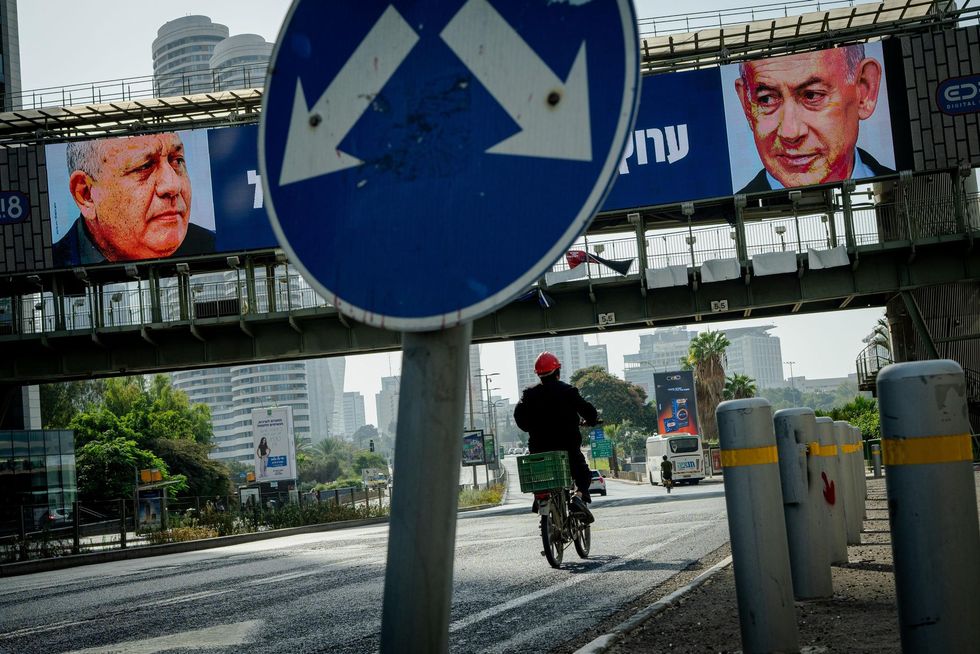
- Lebanese residents express widespread doubt that Israel’s October 27 election will change its policy toward Lebanon, with many viewing Israeli leadership shifts as inconsequential to ongoing occupation.
- Gadi Eisenkot, Netanyahu’s main challenger and former Israeli army chief, is the architect of the Dahiyeh Doctrine that justifies disproportionate destruction in Lebanon and Gaza, undermining hopes for policy change.
- Israel continues to occupy southern Lebanon and demolish villages despite a June US-brokered framework agreement calling for phased withdrawal, displacing over one million people.
- Hezbollah and Israel have maintained a fragile ceasefire since June, but Israeli attacks and infrastructure demolition persist in the occupied south, creating a 'neither war nor peace' reality.
- Lebanese public opinion is divided on resistance vs. diplomacy, but 87% view Israel as an enemy, reflecting deep-seated distrust regardless of preferred strategy, according to a June 2026 Lebanese American University survey.
- Elia Ayoub, a Lebanese researcher, argues that dehumanizing discourse in Israeli society is normalized and unlikely to shift with leadership changes, as candidates attack Netanyahu from the right on security, not human rights.
Why it matters: Over one million displaced Lebanese remain in limbo as Israel entrenches its occupation, and with no candidate in the Israeli election challenging the military doctrine behind the destruction, the status quo of controlled violence and stalled diplomacy is set to continue, undermining regional stability and humanitarian recovery.
Ask SkimNews