Russia-Ukraine war: What is Europe’s new ballistic missile shield plan? — SkimNews

Get the Geopolitics newsletter
Daily geopolitics — wars, elections, sanctions, the diplomatic moves that move markets. Free.
- Ten countries — Denmark, France, Germany, Italy, the Netherlands, Norway, Spain, Sweden, the UK and Ukraine — signed a Paris declaration launching an Integrated Anti-Ballistic Missile Coalition to build a shared European missile defense architecture.
- Poland, the Baltic states, Finland and the United States were notably absent from the founding signatories, even as the announcement came at a "Coalition of the Willing" summit of about 25 leaders.
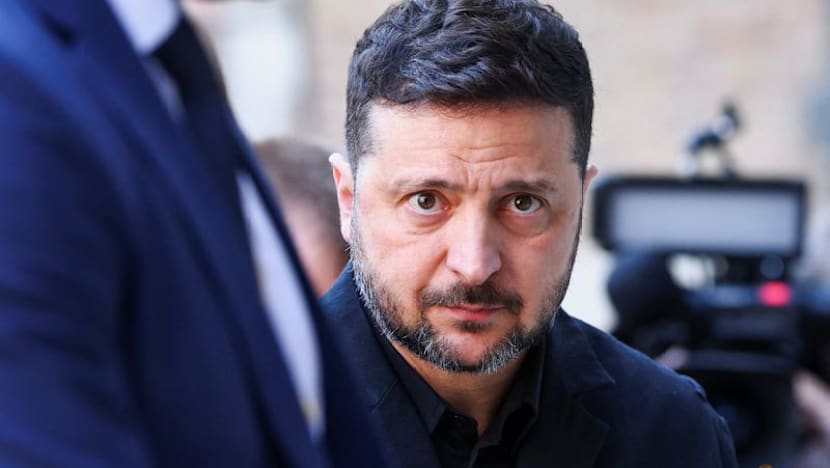
- Zelenskyy acknowledged Kyiv lacks interceptors for ballistic targets — the reason Ukraine joined — while Kyiv-based analyst Olesia Horiainova said Ukraine's combat data against Russian Iskander and Kinzhal missiles is unmatched in Europe.
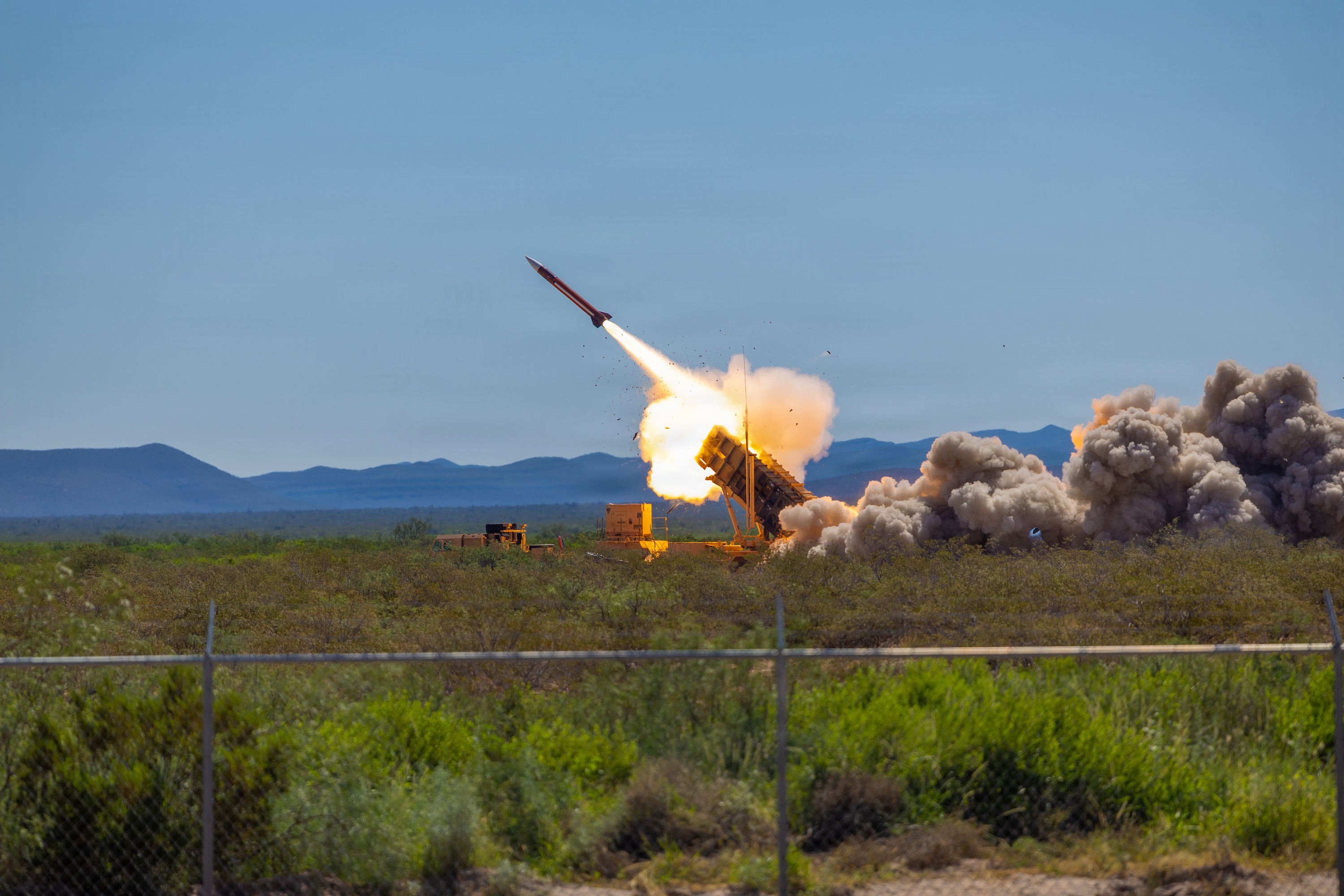
- Ukraine's Freyja interceptor, developed by Fire Point, is pitched by Zelenskyy as a potential "European model"; Fire Point claims its interceptors could cost a fraction of the millions-per-shot US-made Patriot, though the system has yet to prove itself in combat.
- The declaration commits to common operational requirements and joint technical working groups but sets no timeline; Zelenskyy projected a mass-produced system within 12 months while skeptics pointed to Germany's Arrow 3, which won't be fully operational before 2030.
- Existing European defenses remain dependent on the US-built Patriot (millions per interceptor) and the Franco-Italian SAMP/T, which has also run short in Ukraine; the German-led European Sky Shield Initiative, which France previously boycotted, pools procurement of foreign systems.
Why it matters: The coalition formalizes Europe's attempt to reduce dependence on US-supplied interceptors: Ukraine's Freyja program promises "a fraction" of the cost of millions-per-shot Patriots, but the declaration sets no timeline. Poland, Finland and the Baltic states — the countries closest to Russia — stayed out.
Ask SkimNews