Forever Junior: Skills AI Can't Develop — SkimNews

Get the Tech newsletter
Daily tech — startups, AI labs, chips, the launches that shape the next decade. Free.
- Criteo junior engineer defined 'Seniorhood' by observing teammates who defend shipped code, argue design choices, redirect misrouted agents, know when to delegate versus do it themselves, and teach the rest of the team — then built a promotion map around those behaviors with a year-end nomination as his first milestone.
- His skill.md instructs his AI agent to pose Socratic questions after each decision, rotating styles like 'explain in your own words,' 'predict what breaks if X changes,' and 'walk through one failure mode' to test his understanding before he confirms an implementation plan.
- A 'similarity to existing code and reusability' pattern emerged from watching seniors flag new catalog entities that didn't match existing templates — he now bakes a four-step Discover, Align, Anchor, Implement workflow into the agent so first drafts already mirror team conventions.
- A 'no unconfirmed mutations' rule in his skill.md blocks the agent from editing files, applying patches, running migrations, writing config, or committing until he confirms a concrete plan; read-only search and inspection are always allowed.
- 'Handwriting' — deliberately writing code himself without the agent, framed as a school exam where AI use is 'cheating' — is what the author credits as the most effective practice for building the autonomy seniors accumulated over years of coding without agents.
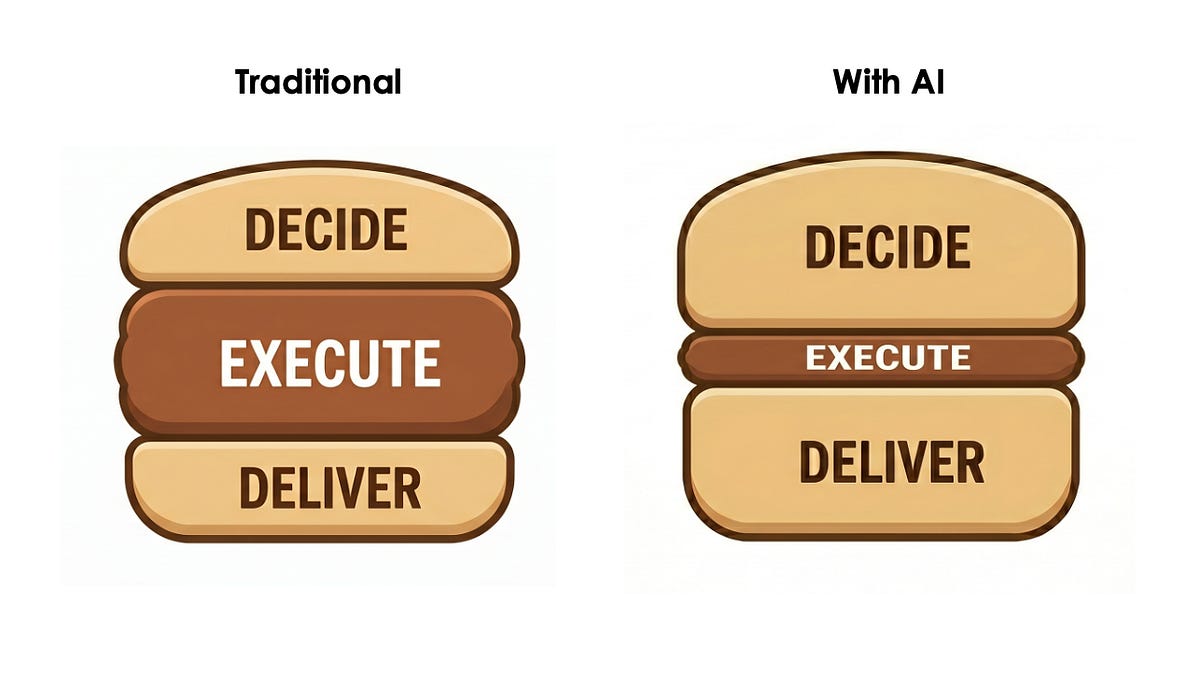
- Industry discourse the author cites converges on three shifts: reviewing code now matters more than producing it, learning syntax and languages is obsolete, and engineers are being pushed to manage tokens to optimize AI costs.
- The long-term goal is to become 'the Senior who wrote the comments that went into' someone else's skill file — and he's already pointing AI at his own git history and team chat to surface the review patterns that get fed back to the next junior.
Why it matters: A Criteo junior's framework treats AI agents as Socratic sparring partners rather than production shortcuts, but his central fear is shared across the engineering discourse he cites: developers who outsource learning to agents will never accumulate the autonomy required to defend shipped code. The concrete stake is a generation stuck in a perpetual code-review loop, supervising one agent's work with the help of another.
Ask SkimNews