Europe is betting big on a battery that runs for four days — SkimNews
Get the Energy newsletter
Daily energy & climate — solar, EVs, oil, the policy fights and tech bets shaping the transition. Free.
- Ore Energy raised $43 million in Series A funding from Plural and HV, bringing its total raised to more than $61 million, with the new capital earmarked to establish its first manufacturing facility as it targets gigawatt-hour-scale manufacturing in 2028.
- The Netherlands-based company announced a deal with Dutch energy supplier Budget Thuis to deploy 1 GWh of iron-air energy storage, with a committed 400 MWh first phase planned for 2028 — described as the largest iron-air battery deal in continental Europe and the first such agreement with a European energy supplier.
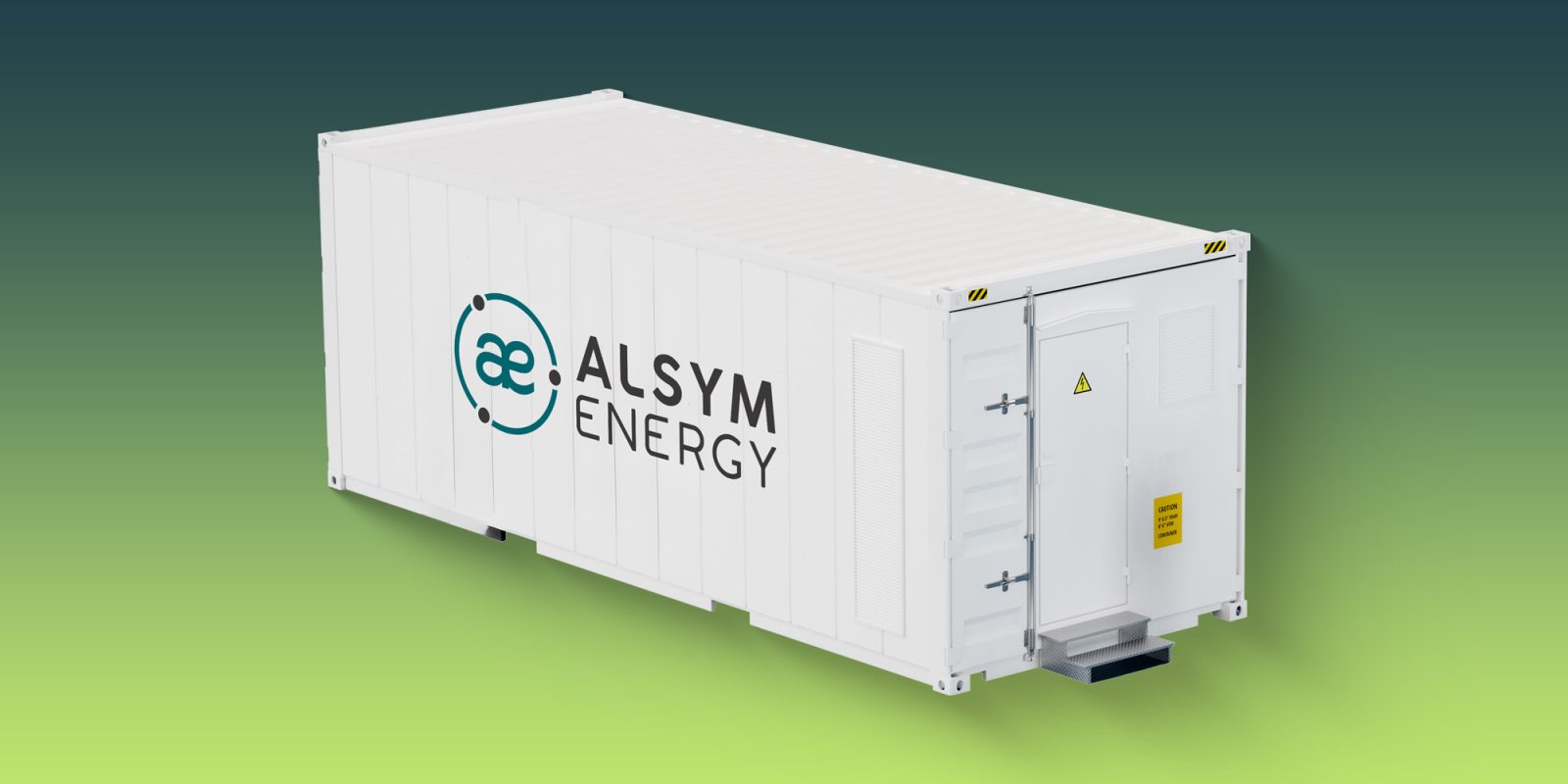
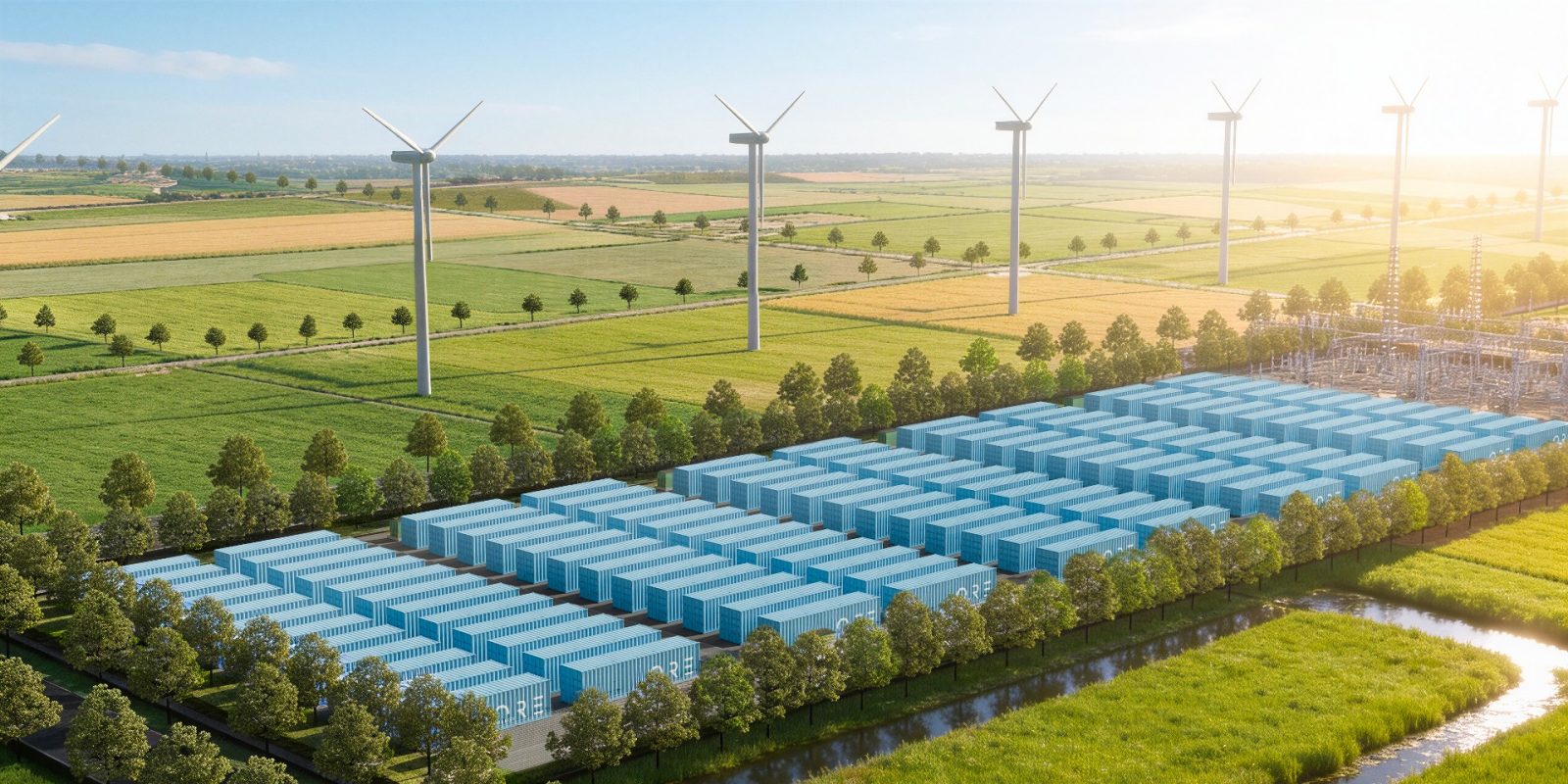
- Ore Energy's iron-air batteries can store electricity for up to 100 hours using iron, water, and air, packaged in modular 40-foot containers that can be daisy-chained to scale capacity — and the company says the materials allow it to rely on a European supply chain that avoids many critical minerals used in conventional batteries.
- Ore Energy CEO Aytaç Yilmaz said European grids are 'already curtailing clean power at scale, wasting electricity that costs billions to generate,' and that short-duration batteries 'shift solar by a few hours' while wind-heavy grids need storage that works 'across days, not hours.'
- The Budget Thuis deal follows a pilot with EDF in France, completed between August and November 2025, which Ore described as Europe's first grid-connected iron-air long-duration storage pilot and which demonstrated up to four days of energy storage under real-world utility conditions.
- Budget Thuis CEO Annemarie Buitelaar said the project is about 'reducing exposure to volatile fossil fuel prices while giving customers access to cleaner and more predictable electricity over time,' with the system storing excess wind power when plentiful and releasing it when renewable generation drops and prices rise.
Why it matters: A 1 GWh commitment from a European utility, targeting 2028 delivery, signals that long-duration storage is moving from pilot to procurement on European grids — and iron-air's 100-hour, iron-and-water design offers a critical-mineral-free alternative to lithium-ion. Budget Thuis's stated commercial logic is reducing exposure to volatile fossil fuel prices, not just decarbonization, giving the technology a near-term cost-spreading case that wind-heavy grids have lacked.
Ask SkimNews