Base Power raises $1B to roll out its giant new home battery — SkimNews
Get the Energy newsletter
Daily energy & climate — solar, EVs, oil, the policy fights and tech bets shaping the transition. Free.
- Base Power raised a $1 billion Series D at a $13 billion post-investment valuation, led by Ribbit, Addition, Valor Equity Partners, and JPMorganChase's Strategic Investment Group, bringing total capital raised to more than $2.5 billion.
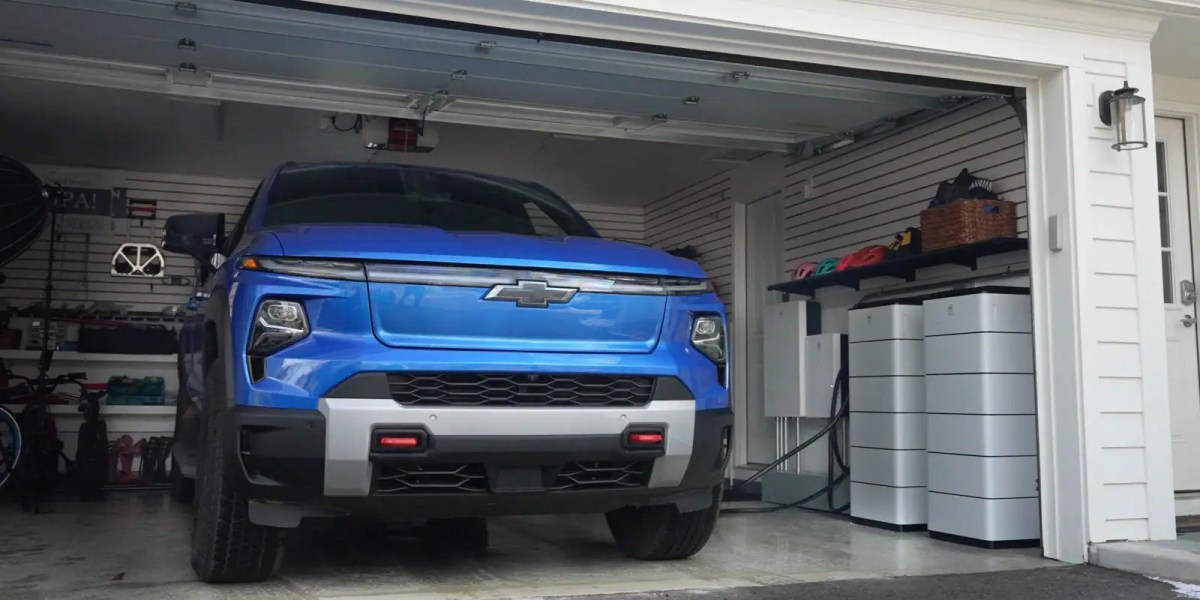
- Base Power unveiled Core, a 39.2-kWh lithium iron phosphate home battery that keeps a house running for up to 36 hours, installs in under an hour, and switches to backup power in 50 milliseconds when the grid fails.
- Two Core units can be paired for 78.4 kWh of storage and up to 72 hours of backup with reduced electricity use; the IP67-rated unit operates between -22°F and 122°F and has passed high-pressure water and flash-flood testing.
- Base Power retains ownership of each battery, charging Texas customers in Oncor territory a $695 installation fee and $19 monthly membership, and uses the networked fleet to supply the grid when wholesale prices spike.
- Since October 2025, the company's battery fleet has grown from 100 MWh to over 500 MWh, and it has launched utility programs with El Paso Electric, Austin Energy, and CoServ totaling more than 200 MW of capacity.
- Base Factory 1 in Austin is producing thousands of Core systems per month, with in-house deployment crews installing them across Texas and Illinois where Core is now available to homeowners.
Why it matters: Base's subscription model lets homeowners get 39.2 kWh of backup for $19/month without buying the hardware, while the company monetizes aggregated batteries as a virtual power plant — a structure that only works if scale and grid arbitrage hold. The $1B raise at a $13B valuation, with the fleet jumping from 100 MWh to 500 MWh in roughly a year, signals investors are betting the model can expand beyond Texas and Illinois into a nationwide residential storage network.
Ask SkimNews