Pay-as-you-go batteries: ‘One weird trick’ for the distribution grid? — SkimNews
Get the Energy newsletter
Daily energy & climate — solar, EVs, oil, the policy fights and tech bets shaping the transition. Free.
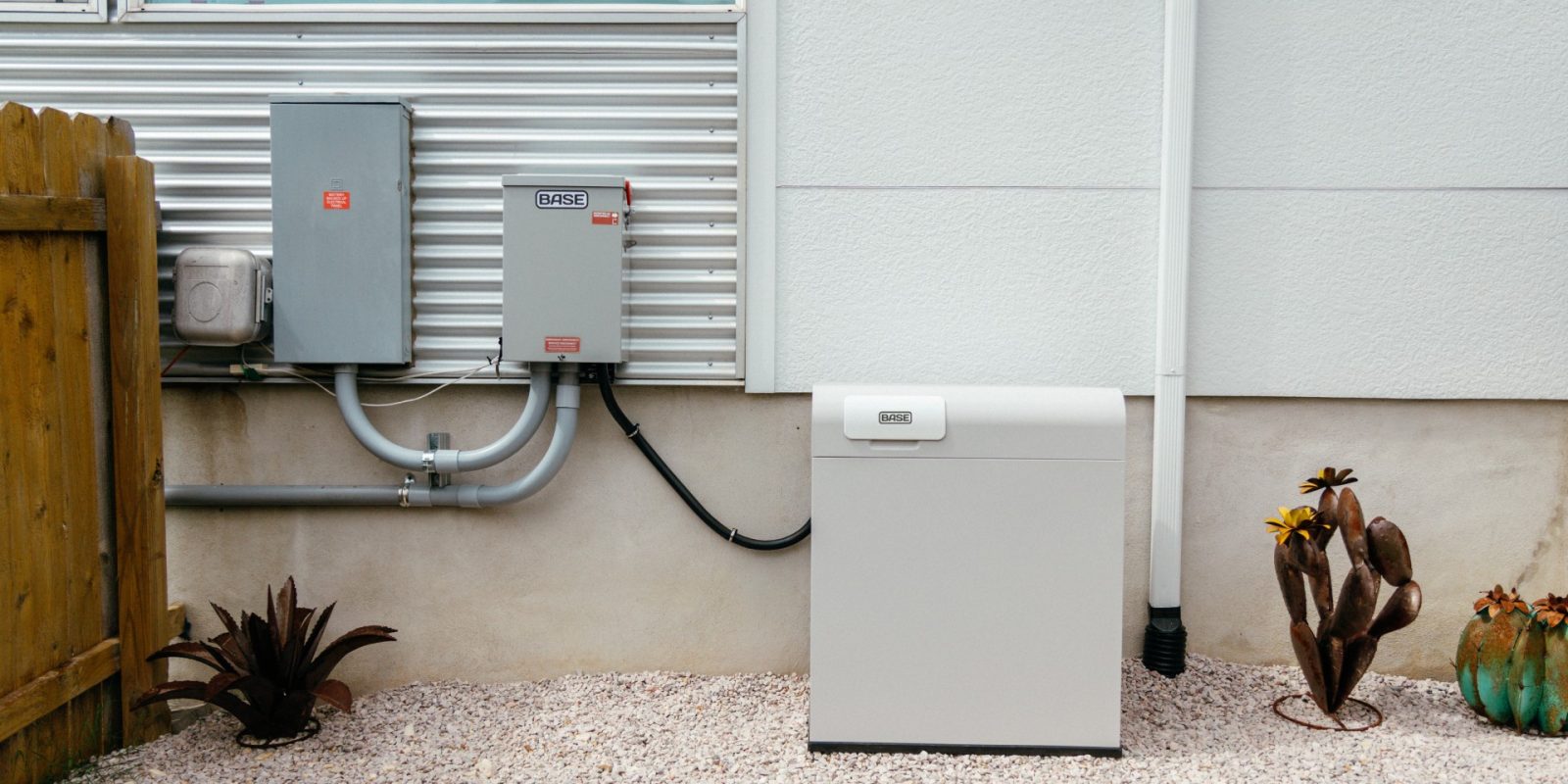
- Base Power markets Texas backup-only battery subscriptions for $19–$29/month, and an energy-plus-backup plan with $700–$1,000 upfront plus under $30/month and under 14¢/kWh, locking rates for 36 months.
- Palmetto entered Texas with an unnamed subscription program (internally 'Lonestar') priced at $25–$50/month effective cost after rebates, joining TerraOne and Octopus Energy's planned PowerStore.
- Base Power expanded into northern Illinois under Commonwealth Edison with a 24-month plan charging a $95 installation fee and on-peak energy under 8¢/kWh — at least 25% less than ComEd's rate.
- ComEd won June regulatory approval for a 'scheduled dispatch virtual power plant' that VP Andrew Plenge said would strengthen the grid while 'helping customers receive additional value' as supply costs rise.
- Haven Energy expanded into Massachusetts last month with a $29/month subscription targeting National Grid and Eversource customers in four counties eligible for the state's ConnectedSolutions+ VPP program.
- Wood Macenzie's Kasim Khan said distribution-connected battery aggregations could play a 'disproportionate role' in mitigating power price volatility on transmission-constrained grids like PJM and ERCOT.
- Vote Solar's Will Kenworthy credited a 2022 Illinois tariff change allowing load-serving entities to aggregate customer capacity obligations, including battery exports at demand peaks, for the favorable Illinois pricing — a methodology CAISO has also proposed.
Why it matters: ComEd supply rates have climbed about 50% in 18 months due to a PJM capacity shortage, Base Power COO Justin Lopas said — making the economics of aggregating residential batteries into virtual power plants suddenly viable outside Texas. For middle-class homeowners shut out by $10,000-plus generator or battery sticker prices, a $29/month subscription reframes backup power as a utility bill line item rather than a capital purchase, while giving transmission-constrained grids a distributed alternative to hard-to-site utility-scale storage.
Ask SkimNews