One Amino Acid Switch May Drive Bat Virus Spillover — SkimNews

Get the Health newsletter
Daily health & science — research, biotech, public health, the studies worth knowing. Free.
- A multi-institutional team led by UCSF's Quantitative Biosciences Institute, Mount Sinai, Institut Pasteur, and Fred Hutchinson Cancer Center compared SARS-CoV-2 with RaTG13, a bat-only coronavirus, and published the findings in Cell Host & Microbe on June 23, 2026.
- The OrfB9 viral protein differs by just one amino acid across roughly 100 between the two viruses, yet that single change produced opposite immune effects depending on the host species.
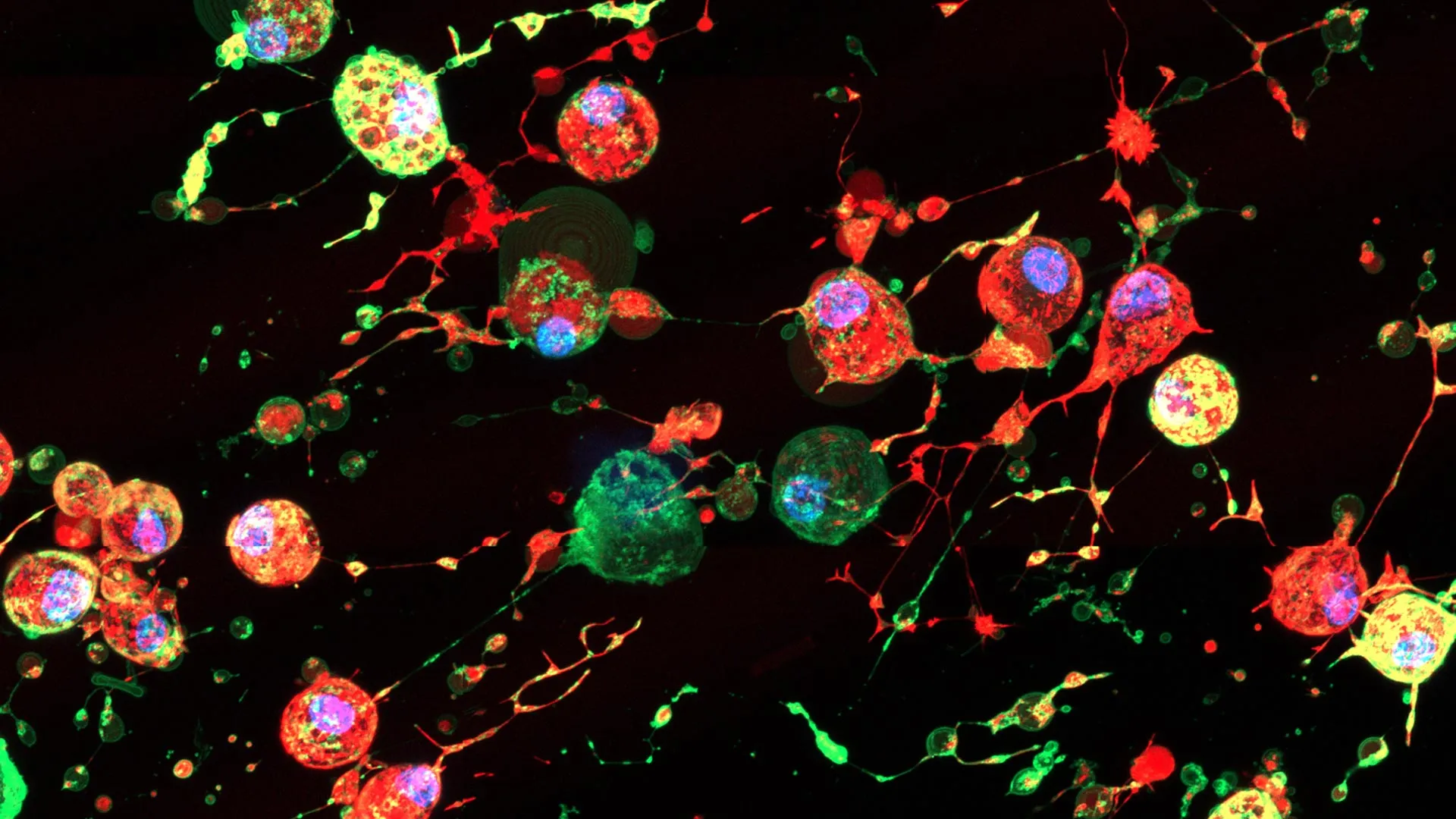
- In human lung cells, the SARS-CoV-2 version of OrfB9 shut down an immune alarm system, allowing the virus to replicate more effectively, while in bat lung cells, the RaTG13 version activated an immune protein that kept the virus in check.
- The study relied on the first laboratory-grown lung cell line from the greater horseshoe bat, enabling direct comparison of viral-immune protein interactions across species.
- Senior author Nevan J. Krogan, director of UCSF QBI, said the research offers a way to 'read the molecular signatures that predict spillover risk,' framing it as 'the kind of early warning system the world needs.'
- Funding came from the National Institutes of Health, Howard Hughes Medical Institute, the Chan Zuckerberg Biohub–San Francisco, and Fast Grants, among others.
Why it matters: The study turns viral surveillance from a guessing game into a protein-level diagnostic: by mapping which mutations let animal coronaviruses suppress human immune alarms, researchers can flag dangerous strains before they cross over, giving public health agencies a concrete molecular marker to watch rather than relying on post-outbreak forensics.
Ask SkimNews