Scientists finally solved how H5N1 bird flu hid in dairy cows — SkimNews
Get the Health newsletter
Daily health & science — research, biotech, public health, the studies worth knowing. Free.
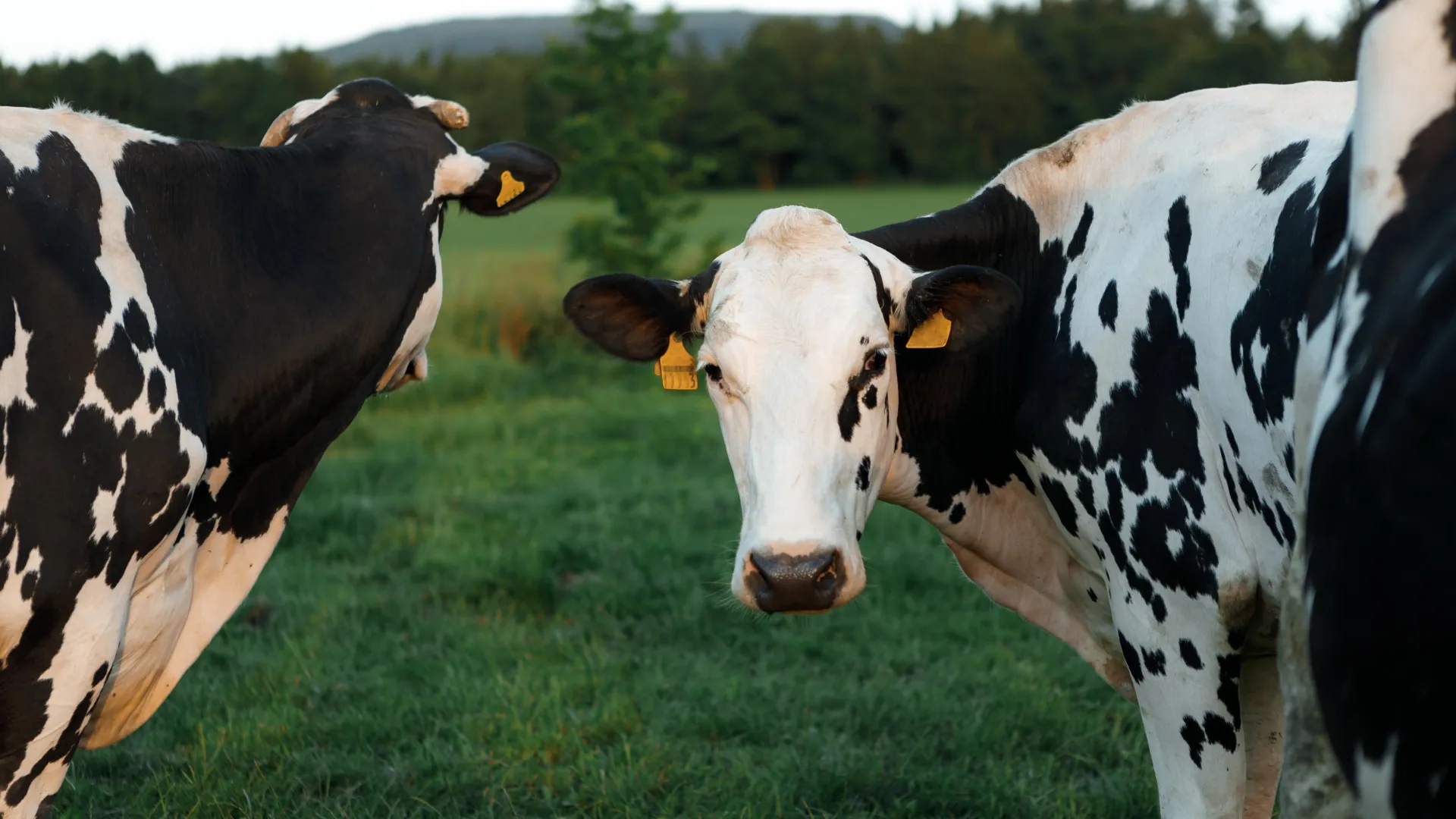
- H5N1 bird flu infected U.S. dairy cattle starting in early 2024, causing severe necrotizing mastitis in the udders while largely sparing the respiratory system — a pattern that initially baffled veterinarians.
- University of Pittsburgh researchers led by Suresh Kuchipudi, in collaboration with Harvard Medical School glycomics expert Lauren E. Pepi, published the explanation in Science Advances: the virus binds only to N-linked sialic acid receptors, which are abundant in udder tissue but nearly absent in cattle airways.
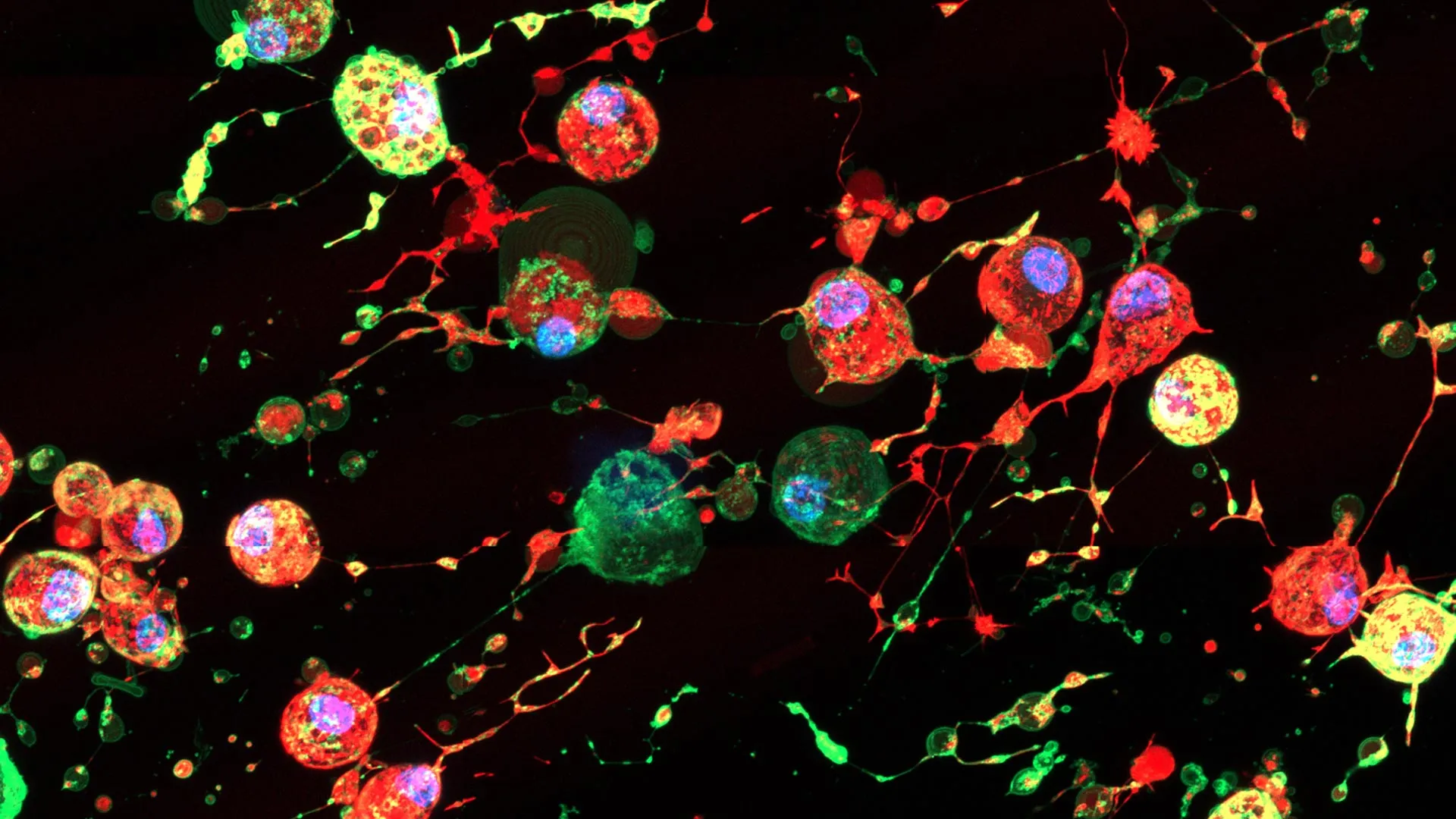
- Kuchipudi's team used binding experiments, staining techniques, and ultra-high-resolution imaging to map the detailed architecture of glycan receptors across cattle tissues, resolving a discrepancy with earlier studies that found flu receptors in the respiratory tract.
- Infected cows shed large amounts of virus into their milk, creating occupational exposure risk for farm workers and leading to cat deaths when pets were fed raw milk; Kuchipudi emphasized that pasteurization effectively destroys the virus.
- The researchers say the same receptor-mapping approach could enable preemptive screening of other species and tissues for H5N1 susceptibility — potentially identifying whether a new outbreak would manifest as respiratory, mammary, or neurological disease before it spreads.
- The outbreak first emerged in the Texas Panhandle, and earlier work by the same Pitt team had documented the neurological disease H5N1 causes in cats.
Why it matters: The finding hands scientists a predictive tool: by mapping glycan receptor distributions across species and tissues in advance, public health researchers could flag which animals are vulnerable to H5N1 and what symptoms to expect — potentially catching the next surprise host before an outbreak takes hold. For dairy operations, it confirms raw milk as the primary transmission risk to farm workers and pets, reinforcing the public health message that pasteurization neutralizes the virus.
Ask SkimNews