Interest rates could rise again across the world – here's why — SkimNews

Get the Finance newsletter
Daily finance — markets, central banks, M&A, the prints that move money. Free.
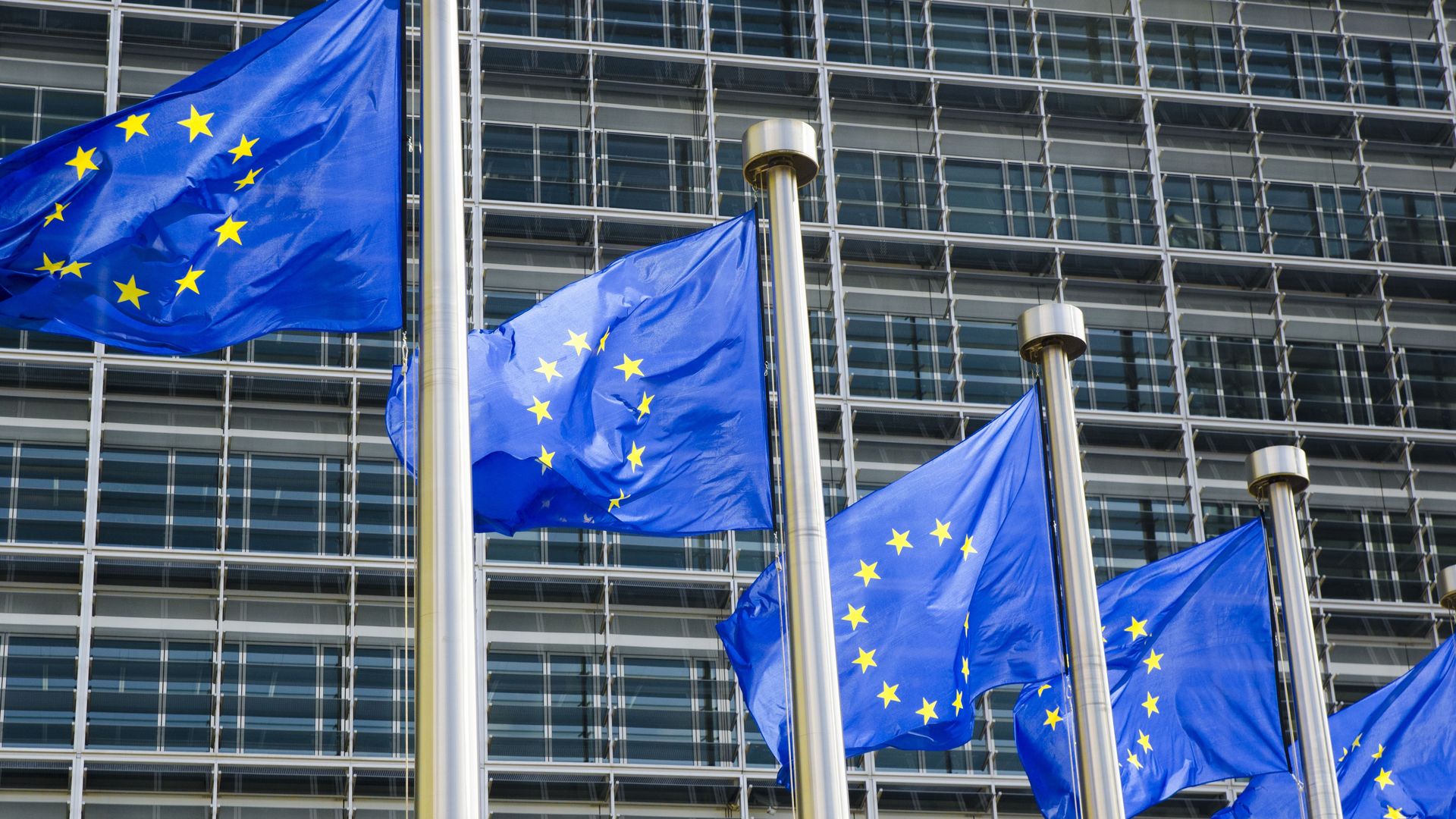
- European Central Bank raised interest rates to 2.5% this week, warning inflation would remain "well above" its 2% target and citing the Middle East conflict as a key factor in its decision.
- US Federal Reserve has held rates steady between 3.5% and 3.75% for five consecutive meetings, with Deutsche Bank now calling a rate hike "the most likely policy outcome" as US inflation sits at 3.4%.
- Brent crude is trading around $105 per barrel, approaching levels last seen at the outbreak of the Iran conflict, with shipments through the Strait of Hormuz restricted by the war.
- President Trump has publicly pressed for rate cuts, posting on social media that the Fed Board "must get smart — BE PATRIOTS for a change," even as he told markets oil prices won't fall until the Iran war ends after November's elections.
- Fed Chair Kevin Warsh has fueled hike expectations with repeated comments that the central bank's focus should be on slowing price rises, though he has not publicly committed to a specific direction.
- Bank of England is expected to hold rates at 3.75% next week despite UK inflation at 2.9%, with economists citing weaker hiring and the absence of wage-price spirals as giving policymakers "some breathing space."
Why it matters: The ECB's move and Wall Street's bets on a Fed hike mean homeowners and businesses across multiple major economies face rising mortgage and credit costs heading into winter, just as UK households confront gas prices above 200p per therm and Brent crude near $105 a barrel squeezes fuel budgets already strained by the Iran war.
Ask SkimNews