Oil hits $100, central banks lean toward tighter rates — SkimNews
Get the Finance newsletter
Daily finance — markets, central banks, M&A, the prints that move money. Free.
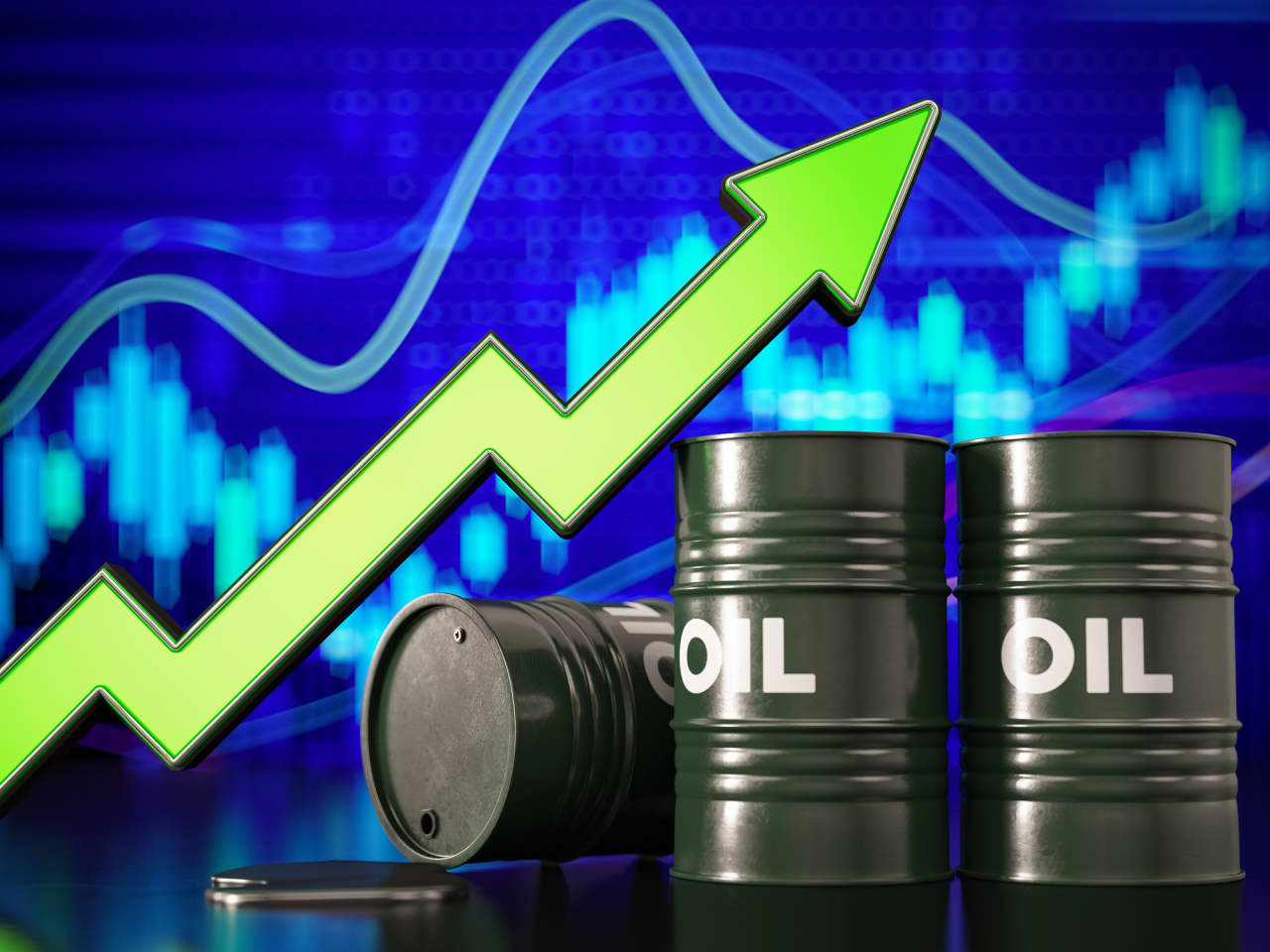
- Oil prices have hovered around $100 per barrel while natural gas prices have surged sharply amid Middle East conflict damage.
- Iran's leadership called for the Strait of Hormuz to remain closed, adding to concerns about oil flow disruptions.
- U.S. Federal Reserve is expected to keep interest rates unchanged at its Wednesday meeting, with Fed funds futures showing reduced expectations for multiple cuts.
- Canada's central bank is projected to raise interest rates by about 25 basis points before year‑end as policymakers weigh inflation risks.
- European central banks (Euro area, Swiss National Bank, Bank of England) are pricing in potential rate hikes later this year, while expectations for BoE cuts have faded.
- Reserve Bank of Australia is seen as likely to raise rates by 25 basis points at its Tuesday meeting, reflecting inflation risk warnings.
- Brazil's central bank may trim its planned rate cut to 25 basis points or delay easing, revising forecasts after the oil price surge.
Why it matters: Higher oil and natural‑gas costs raise inflation expectations, prompting the Fed and other major central banks to pause or raise rates, which tightens financing conditions for borrowers and benefits rate‑sensitive investors, while emerging markets face tighter monetary policy and slower growth.
Ask SkimNews