NASA calls off rescue effort to save doomed telescope — SkimNews

Get the Health newsletter
Daily health & science — research, biotech, public health, the studies worth knowing. Free.
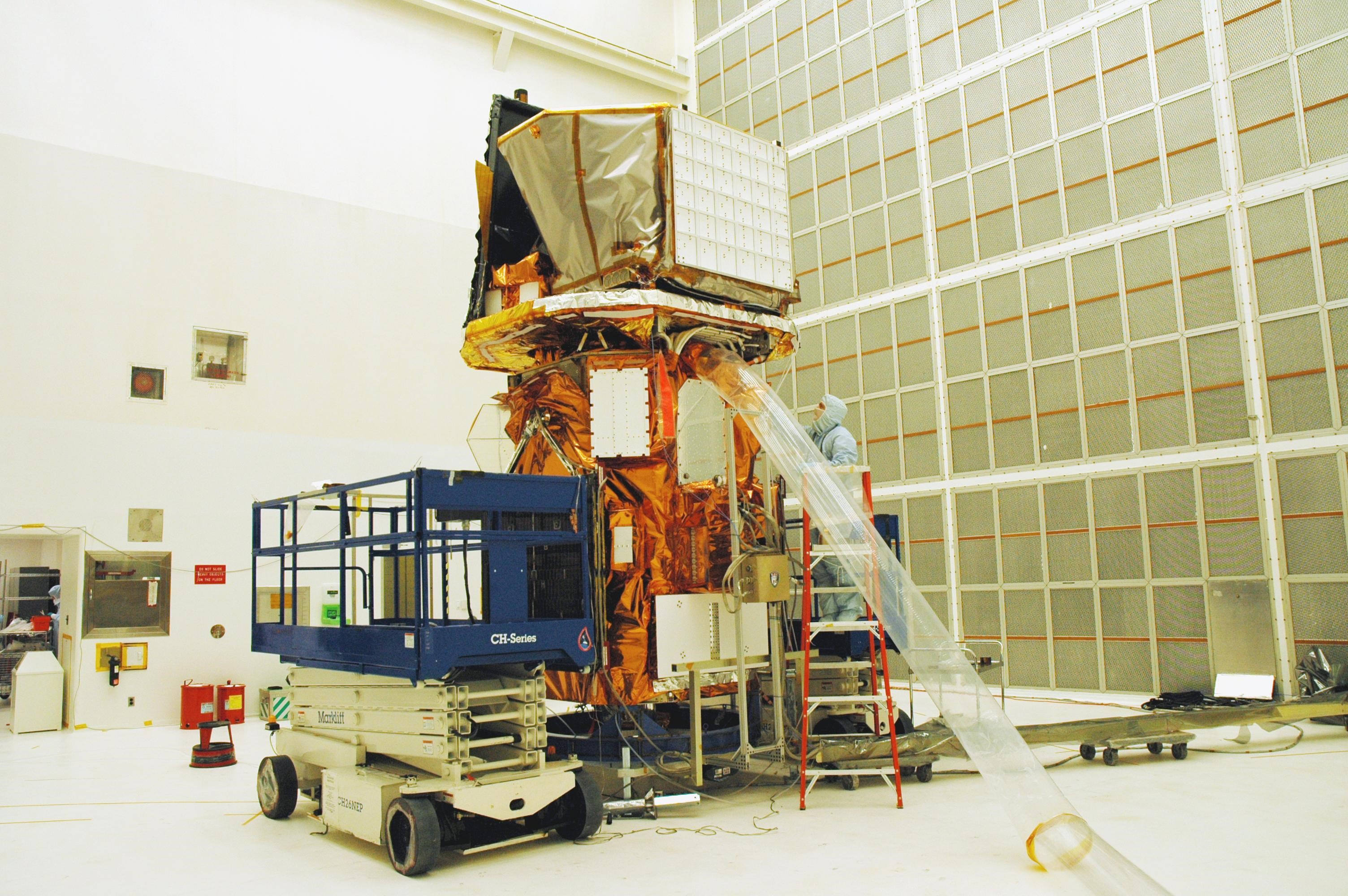
- NASA called off the rescue of the Neil Gehrels Swift Observatory on August 19, citing an ongoing issue with the LINK spacecraft that ruled out a docking and orbit-boosting attempt.
- Katalyst Space's LINK began spinning out of control shortly after its July launch; the company later stabilized it, but the recovery maneuver consumed too much fuel for the boost to remain feasible.
- The $30 million rescue mission, designed and built in under a year, was a last-ditch effort to raise Swift, which has been steadily losing altitude to atmospheric drag since its 2004 launch.
- LINK will still rendezvous with Swift but will skip the robotic-arm grab, leaving the telescope with a limited window of final observations before burning up in Earth's atmosphere by year's end — and no replacement is currently planned.
- NASA Administrator Jared Isaacman defended the attempt, saying NASA "should be willing to move quickly and take smart risks when the potential return is worth it."
- Katalyst CEO Ghonhee Lee called the effort a "high-risk, high-reward challenge" and said the company remained proud of the milestones reached along the way.
Why it matters: Swift has been a workhorse for spotting short-lived cosmic events like gamma-ray bursts since 2004, and with no replacement telescope in development, its loss by year-end creates a near-term gap in NASA's rapid-response astronomy capabilities — the price of a bold $30 million gamble that ended up teaching the agency more about commercial rescue tech than about saving the satellite itself.
Ask SkimNews