NASA Swift Telescope Rescue: Spacecraft Stabilized — SkimNews

Get the Health newsletter
Daily health & science — research, biotech, public health, the studies worth knowing. Free.
- Katalyst Space stabilized its LINK spacecraft on August 11 after it was tumbling once every 40 seconds, using thrusters, reaction wheels, and a newly uploaded flight software update to restore control.
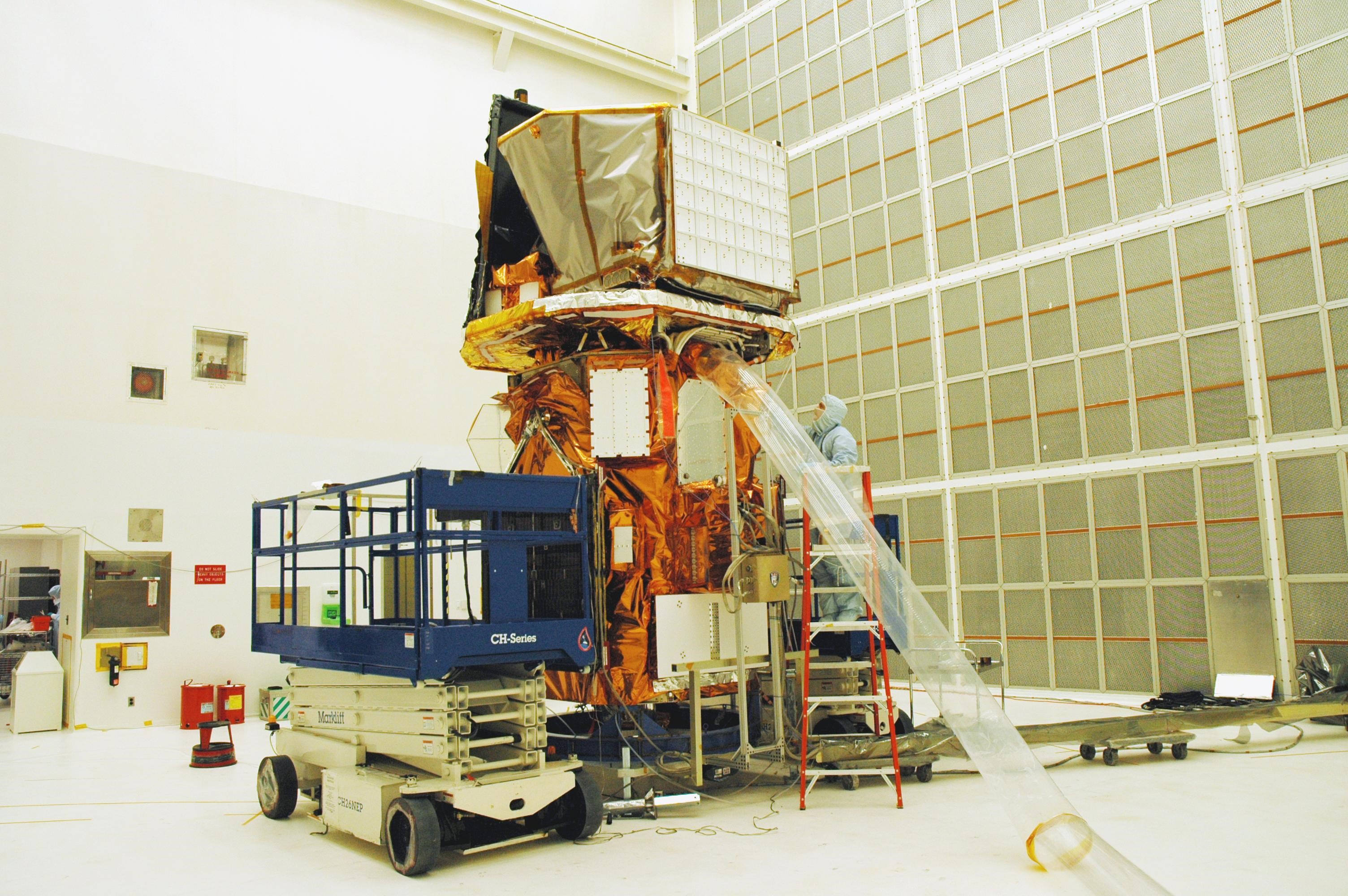
- LINK, launched July 3 from a plane-dropped rocket, was designed and built in under a year to save the $500 million Neil Gehrels Swift Observatory, launched in 2004 to study gamma-ray bursts.
- NASA awarded Katalyst a $30 million contract in September 2025 to use LINK's three robotic arms to grab Swift and boost its decaying orbit from under 350 km back up to ~600 km over roughly three months.
- Since February, Swift has flown in "superman mode" — flat and edge-on to its motion — gaining at least 17 km of altitude but suspending all science, per Phil Evans at the University of Leicester.
- Once the orbit drops to 300 km, drag will make the boost impossible; Evans says Swift will likely re-enter the atmosphere by Christmas, or Easter 2027 at the latest.
- Shawn Domagal-Goldman, NASA's astrophysics division director, called the short timeline "unprecedented" but said the attempt was "worthwhile to try" given there is no replacement mission in the pipeline.
Why it matters: Swift is the only observatory of its kind with no successor mission planned. A successful boost preserves a $500 million asset and decades of unique rapid-response gamma-ray science; failure means the capability burns up by Easter 2027 with nothing to replace it.
Ask SkimNews