NASA Aborts Swift Observatory Rescue Mission

Get the Health newsletter
Daily health & science — research, biotech, public health, the studies worth knowing. Free.
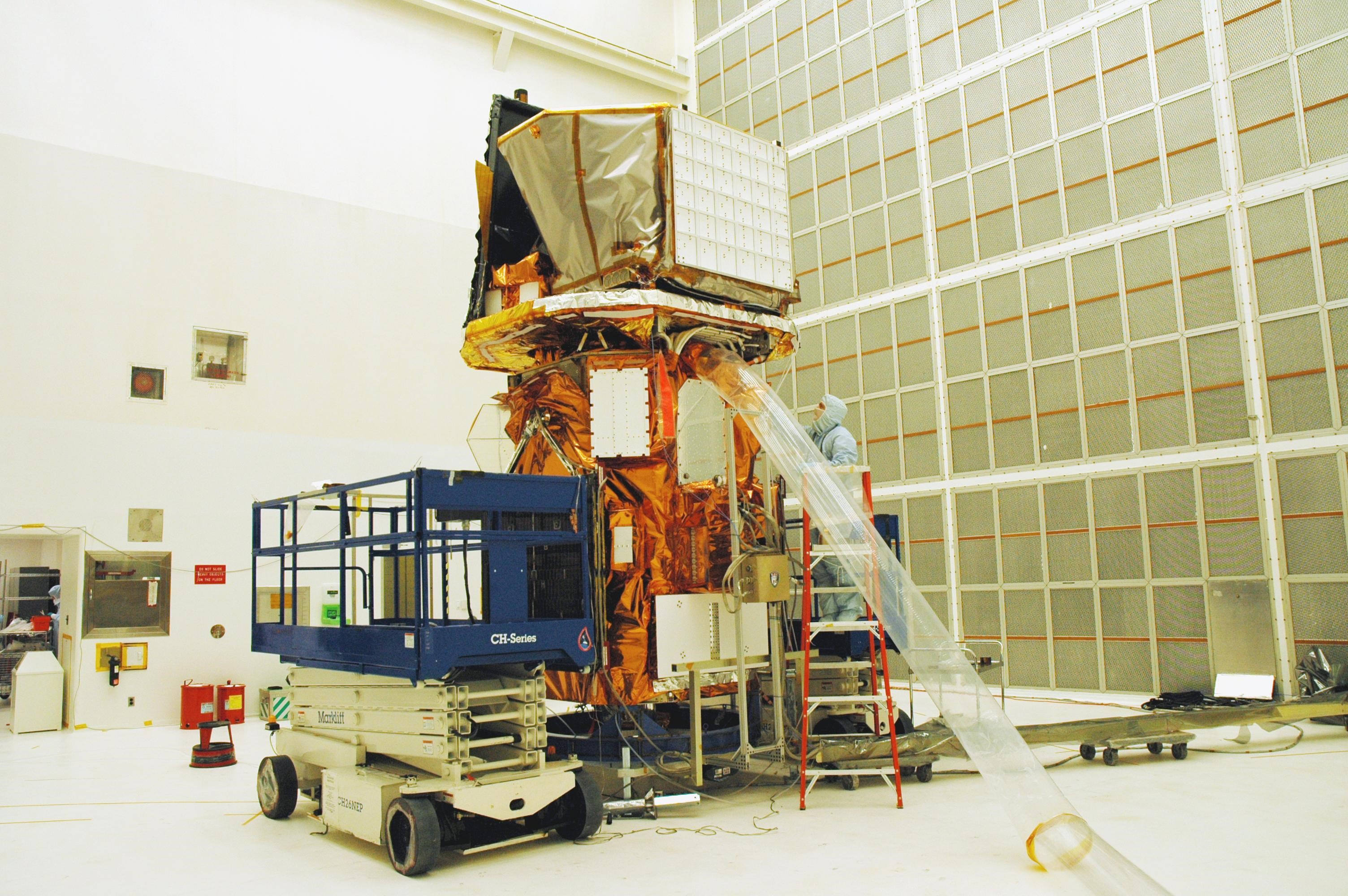
- NASA announced on August 19 that it would no longer attempt to dock with and boost the Neil Gehrels Swift Observatory, citing an ongoing issue with the LINK spacecraft built by US start-up Katalyst Space.
- LINK began spinning out of control shortly after its July launch; Katalyst later stabilized the spacecraft but had consumed too much fuel in the process to make the boost maneuver possible.
- LINK will still rendezvous with Swift but will no longer attempt to grab the telescope with its robotic arms, leaving Swift with only a limited number of final observations before re-entering Earth's atmosphere by the end of the year.
- The $30 million rescue mission was designed and built by Katalyst in less than a year as a last-ditch attempt to counter Swift's steady orbital decay from atmospheric drag since its 2004 launch.
- NASA Administrator Jared Isaacman defended the attempt, saying NASA "should be willing to move quickly and take smart risks when the potential return is worth it," while Katalyst CEO Ghonhee Lee called the effort "a high-risk, high-reward challenge."
- No replacement for Swift's rapid-response gamma-ray burst observations is currently in the works, leaving a gap in NASA's ability to quickly observe transient celestial events.
Why it matters: The end of Swift removes NASA's dedicated rapid-response gamma-ray burst telescope, with no replacement currently funded, leaving a real gap in the agency's ability to observe transient celestial events. Katalyst Space retains an operational spacecraft but falls short of its $30 million mission objective, and the episode underscores how narrow the margins are on fast-built commercial rescue attempts.
Ask SkimNews