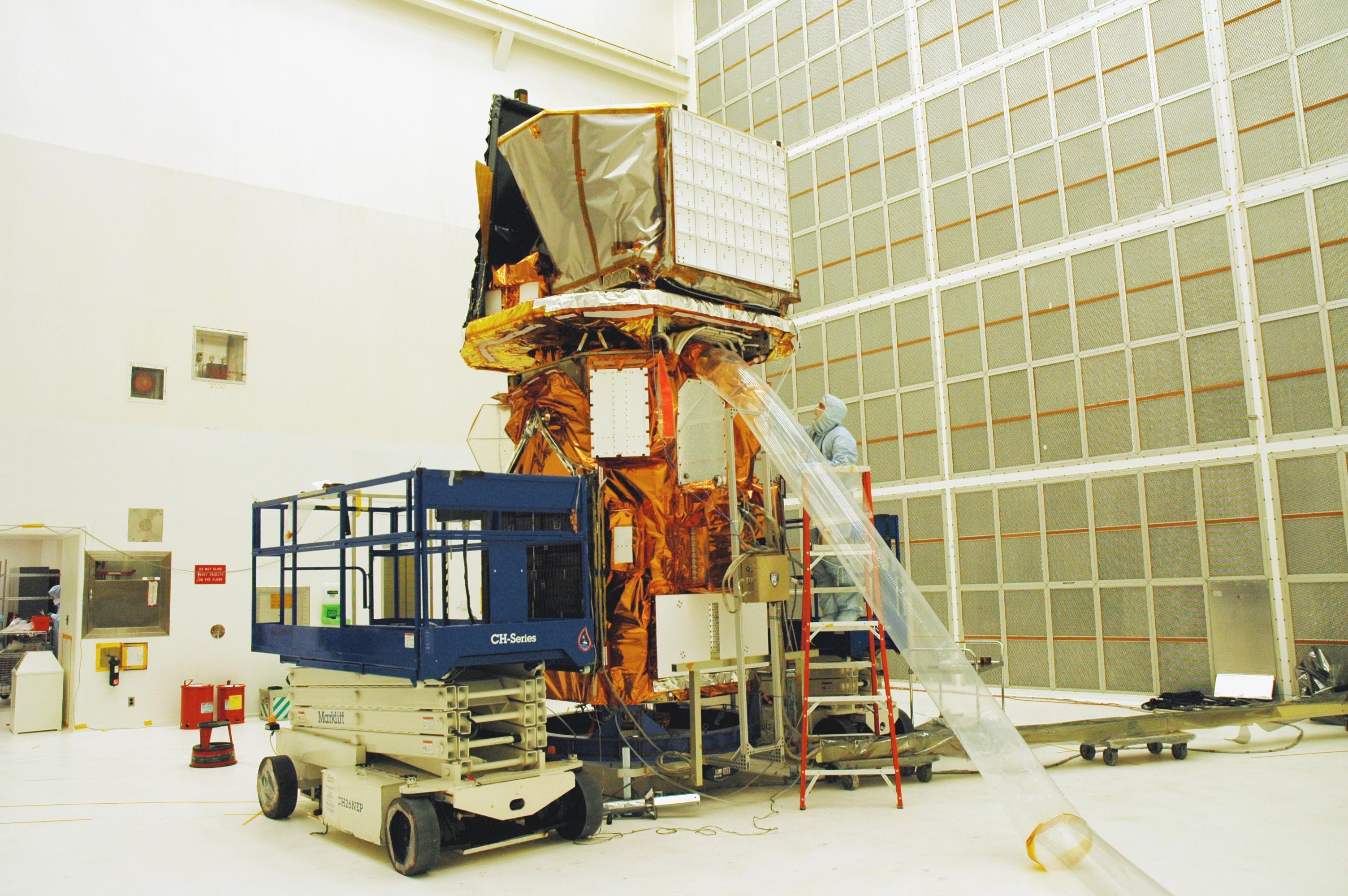
Nasa telescope launched in 2004 to plunge back to Earth after failed rescue mission — SkimNews
Get the Health newsletter
Daily health & science — research, biotech, public health, the studies worth knowing. Free.
- US Space Force predicts the 3,200-pound Swift spacecraft will re-enter Earth’s atmosphere at about 3:30 a.m. ET on Nov. 4; NASA says most will burn up, though some components are expected to survive.
- NASA estimates the risk of harm to anyone at about 1 in 2,100 and says surviving fragments are limited to a re-entry band between 20.6 degrees south and 20.6 degrees north.
- Swift Observatory was designed to operate for only two years but spent two decades studying cosmic explosions before it became unable to steer or observe.
- Swift Observatory detected and tracked more than 2,000 gamma-ray bursts during its operational life, relaying observations of their location and strength to Earth; the brief, intense events occur about once a day.
- Swift Observatory observed a wandering "orphan" black hole devouring a star in July; the resulting tidal disruption event outshone its entire host galaxy in ultraviolet light and briefly radiated like about 10 billion suns.
- NASA attempted to push Swift into a higher orbit last year through a private space contractor, but the mission failed after the parties could not rendezvous; Swift’s orbit was then estimated at 171 miles, and operations were ended to prepare for re-entry.
Why it matters: For NASA and the US Space Force, Swift’s failed orbit-raising attempt has culminated in a Nov. 4 uncontrolled re-entry, with the observatory no longer able to steer or observe. The plunge closes a run of more than 2,000 tracked gamma-ray bursts, while NASA puts the chance of harm to anyone at about 1 in 2,100.
Ask SkimNews