Blocking SET prevents glioblastoma in preclinical models — SkimNews

Get the Health newsletter
Daily health & science — research, biotech, public health, the studies worth knowing. Free.
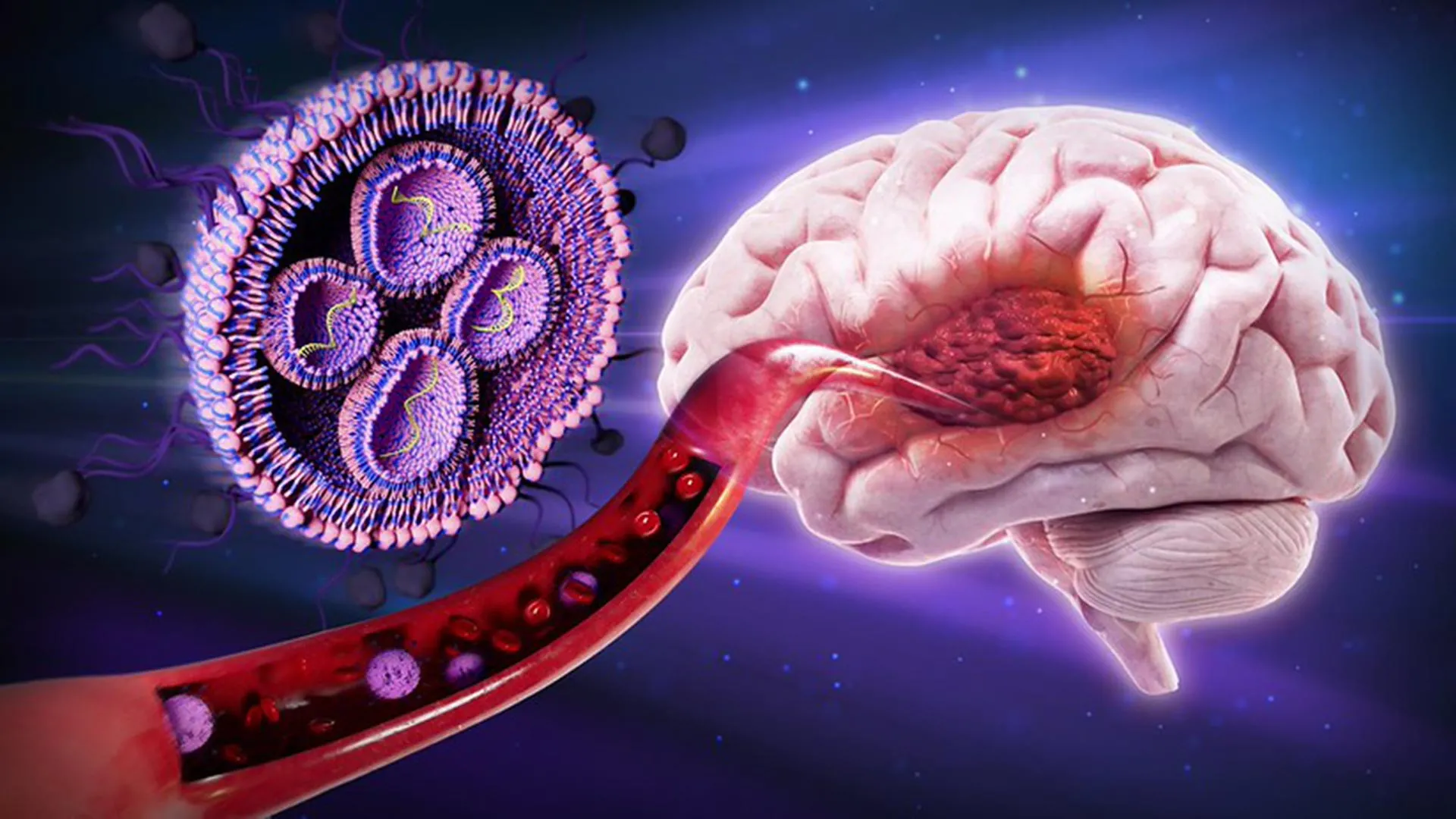
- OSUCCC – James researchers identified the SET protein as a target; blocking it prevented glioblastoma tumors from forming in preclinical models and made cancer cells more vulnerable to radiation.
- The mechanism centers on PP2A, an enzyme glioblastoma cells suppress using three proteins — ANP32A, CIP2A, and SET — all of which, when blocked in lab and animal models, reduced cancer cell survival and increased radiation sensitivity.
- Arnab Chakravarti, chair of radiation oncology at OSUCCC – James, warned that glioblastoma "can adapt and survive" and said the findings suggest restoring PP2A activity may make cancer cells "less able to survive treatment," framing the strategy as complementary to existing therapies rather than a replacement.
- The team also examined an FDA-approved antipsychotic capable of boosting PP2A activity, but cautioned it is not ready as a glioblastoma treatment and should not be used for that purpose outside a clinical trial.
- The study was published in the May 2026 issue of Cancer Letters and supported by the National Institutes of Health, the National Cancer Institute, and The Ohio State University Comprehensive Cancer Center, with results still untested in patients.
Why it matters: Glioblastoma treatment has changed relatively little because the tumors withstand both radiation and chemotherapy, the researchers note. If targeting SET to restore PP2A activity proves safe in humans, it could make those existing standard therapies more effective against one of the deadliest cancers — but the findings remain preclinical and years from clinical use.
Ask SkimNews