Vitamin B12 compound targets glioblastoma in animal — SkimNews

Get the Health newsletter
Daily health & science — research, biotech, public health, the studies worth knowing. Free.
- Researchers led by Joseph A. Bauer (Nitric Oxide Services, LLC and Cleveland Clinic Foundation Taussig Cancer Center) published a pilot study in Oncoscience testing nitrosylcobalamin (NO-Cbl), a vitamin B12–based nitric oxide donor, against glioblastoma.
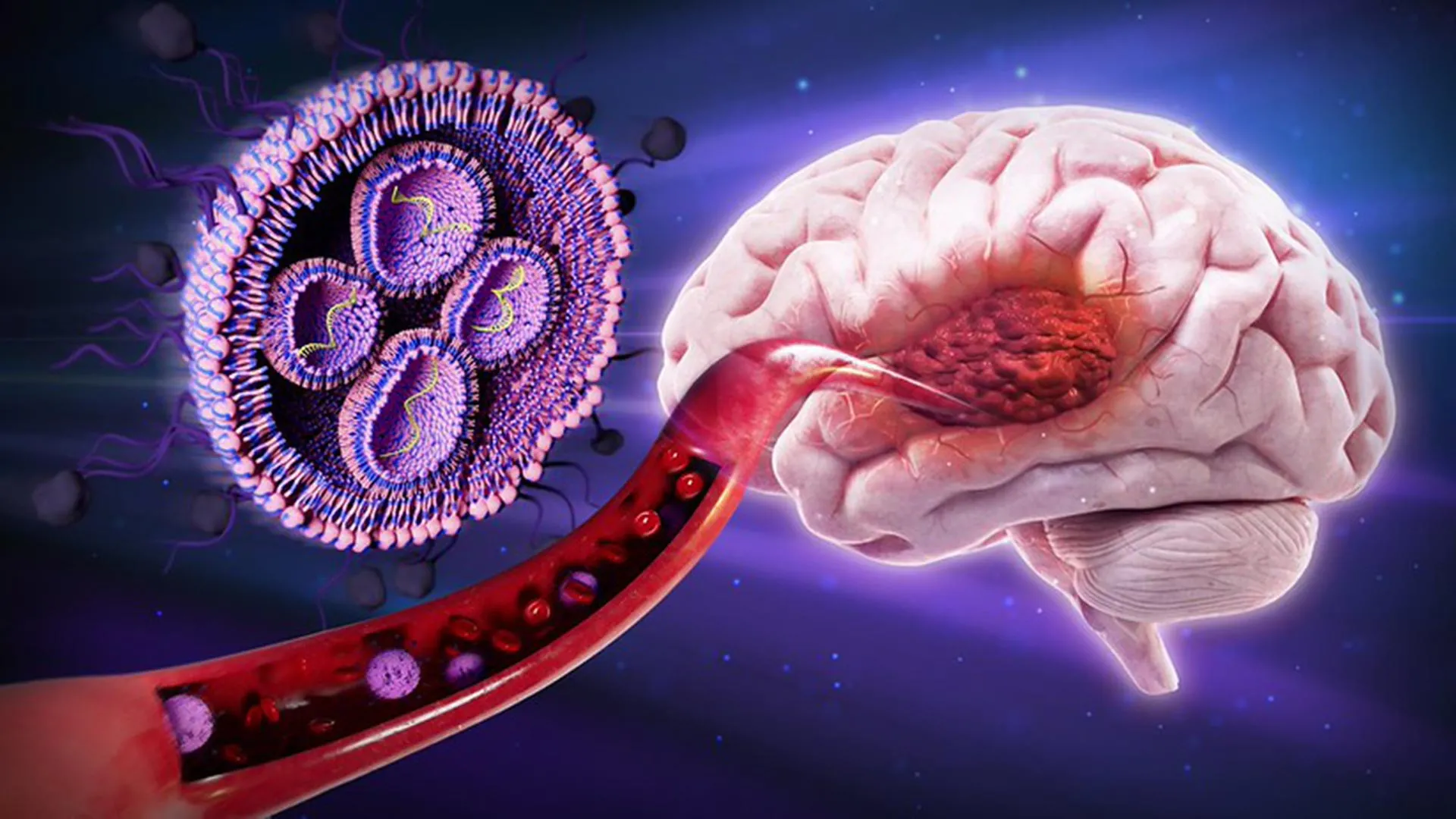
- NO-Cbl crossed the blood-brain barrier in rats with glioblastoma and accumulated preferentially inside tumor tissue, with nitrate levels remaining elevated for at least 24 hours while clearing faster from healthy organs.
- The compound showed antitumor activity across the NCI-60 human tumor cell line panel, with central nervous system tumor cells registering moderate sensitivity.
- In U87 and D54 glioblastoma cell lines, combining NO-Cbl with the established therapies TRAIL or temozolomide produced significantly stronger tumor cell suppression than any agent alone, with synergy confirmed across multiple dose ranges.
- Mechanistically, the authors cite prior work showing NO-Cbl promotes apoptosis via caspase-8 activation, suppresses NF-κB survival signaling, and boosts TRAIL receptor signaling through S-nitrosylation — pathways tied to treatment resistance.
- The authors frame the work as a pilot translational study, with next steps including orthotopic validation, dose optimization, and longer-duration tracking of nitric oxide activity in additional CNS tumor models.
Why it matters: Glioblastoma patients typically survive less than 15 months even with surgery, radiation, and chemotherapy, largely because the blood-brain barrier blocks most drugs — so a compound that both penetrates that barrier and amplifies temozolomide's effect addresses the field's two longest-standing obstacles at once.
Ask SkimNews