Engineered herpes virus draws T cells into glioblastoma — SkimNews

Get the Health newsletter
Daily health & science — research, biotech, public health, the studies worth knowing. Free.
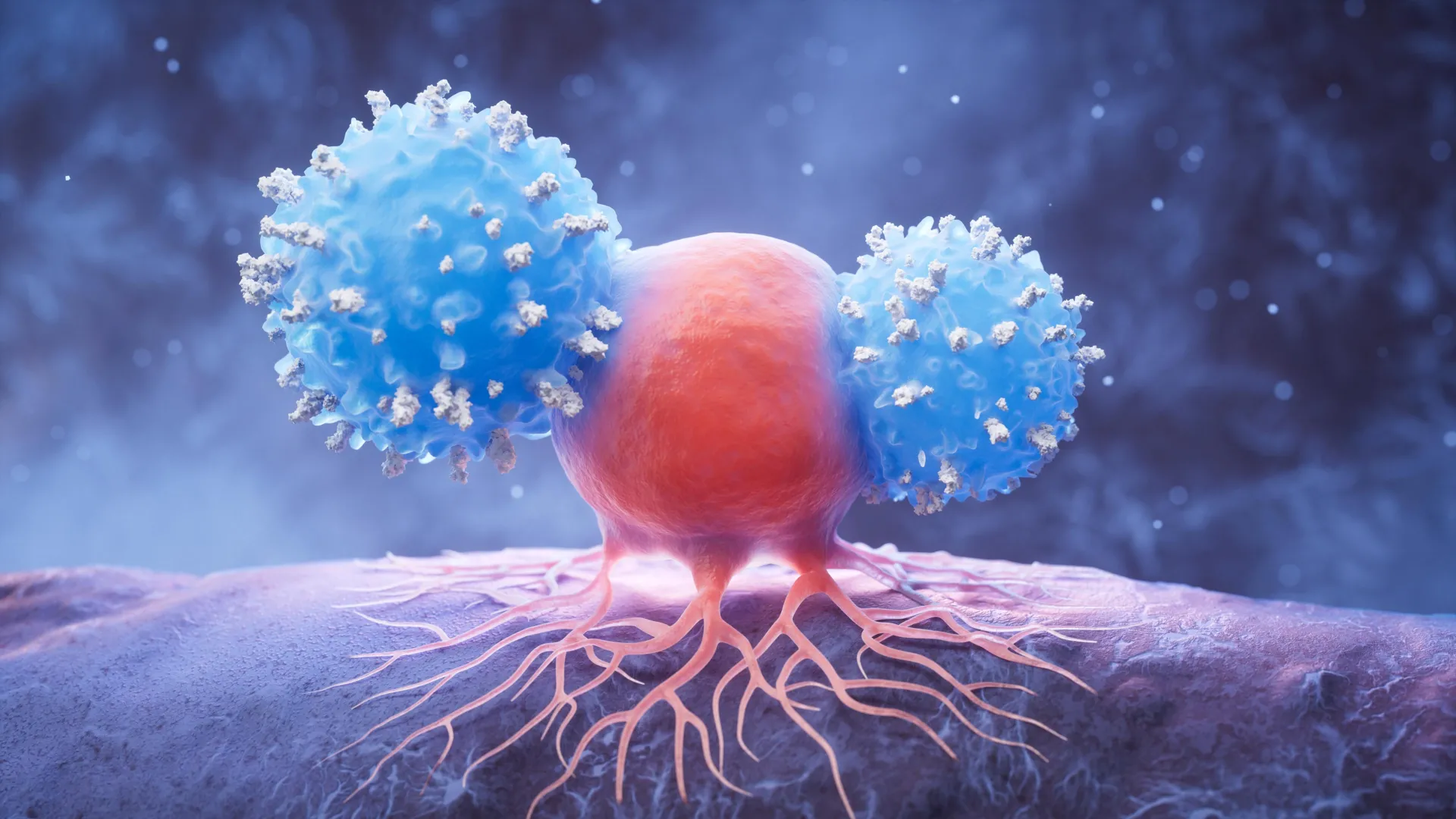
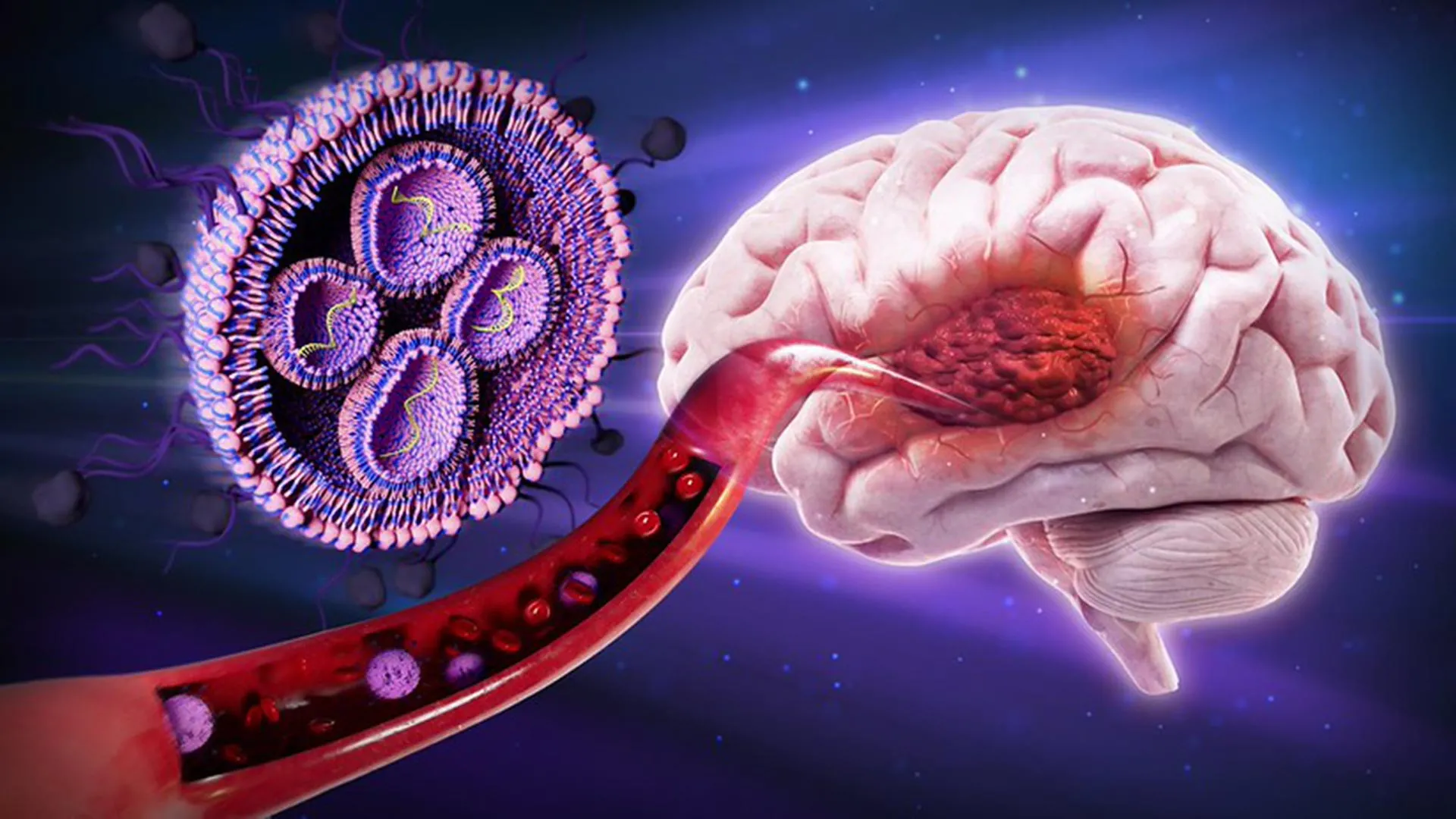
- Mass General Brigham and Dana-Farber Cancer Institute researchers published in Cell showing a single dose of an engineered herpes simplex virus can invade glioblastoma and sustain T cell activity inside the tumors.
- The oncolytic virus, developed by E. Antonio Chiocca, is modified to replicate only inside glioblastoma cells, killing them directly while sparing healthy tissue.
- In a phase 1 trial of 41 patients with recurrent glioblastoma, treatment was associated with longer survival compared to historical outcomes, with the strongest benefit seen in patients who already had antibodies against the virus.
- Patients whose cytotoxic T cells were located closer to dying tumor cells tended to survive longer after treatment, per the study's tumor-sample analysis.
- The therapy also boosted the number of pre-existing T cells in the brain, strengthening the body's own immune defenses rather than relying solely on newly generated immune activity.
- Glioblastoma has resisted the immunotherapies that have transformed care in melanoma and other cancers because it is a 'cold' tumor with poor immune cell infiltration, and its standard of care has not changed in 20 years, per Chiocca.
Why it matters: For a brain cancer whose standard of care has been frozen for two decades, researchers now have a mechanistic explanation for why an engineered virus extended survival in 41 patients: sustained T cell infiltration directly correlated with longer lives. That mechanism clears a path for combining the virus with existing immunotherapies that have so far failed against glioblastoma.
Ask SkimNews