4 Kids Survive Terminal Brain Cancer with New T-Cell Therapy — SkimNews

Get the Health newsletter
Daily health & science — research, biotech, public health, the studies worth knowing. Free.
- Four children with incurable brain cancers remain alive years after receiving experimental TAA T-cell therapy, and three show no evidence of disease.
- Children’s National Hospital conducted a trial of TAA T-cell therapy on 33 children and young adults with DIPG or treatment-resistant brain tumours, aiming to address universally fatal diagnoses.
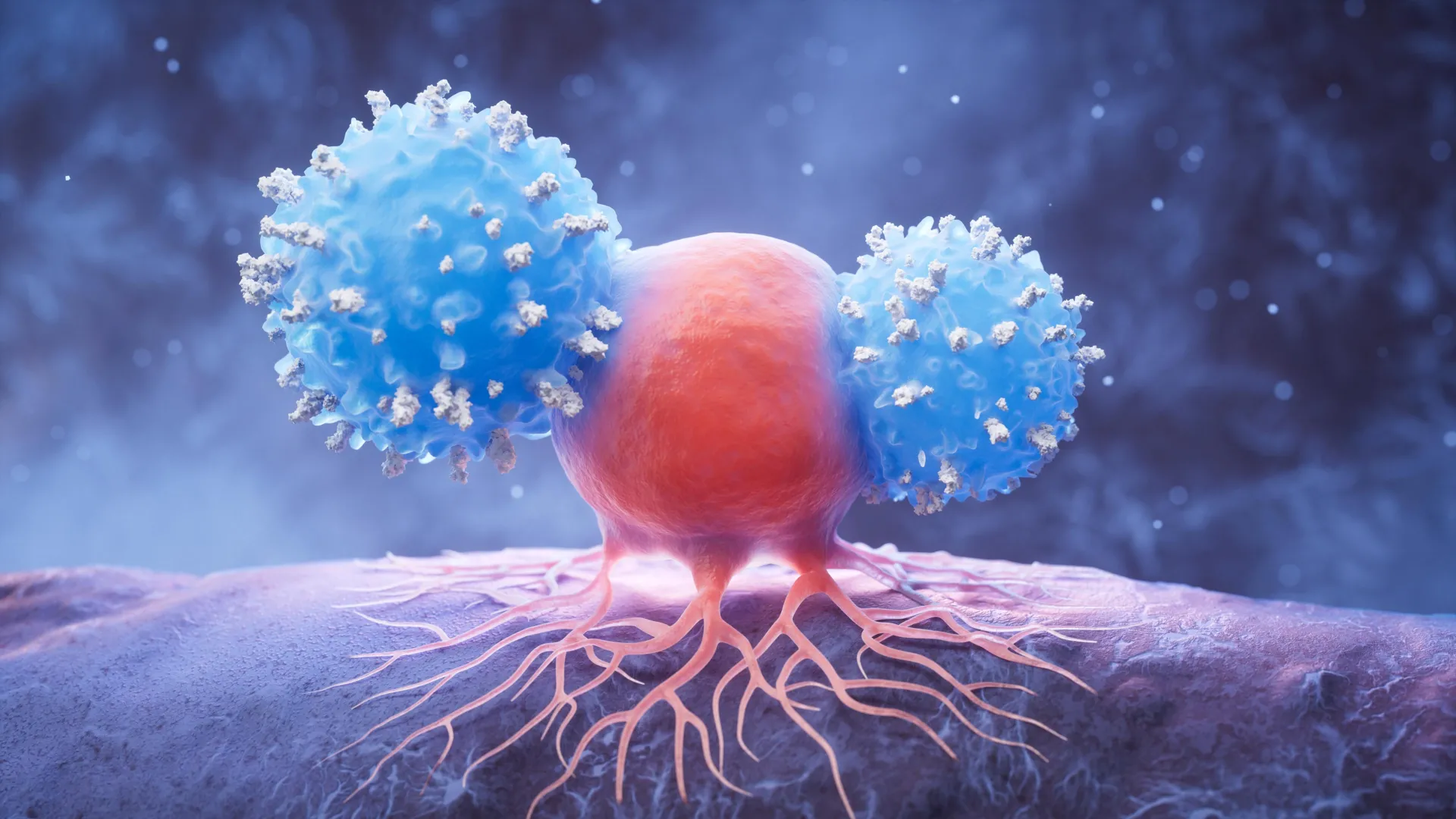
- TAA T-cell therapy trains patients’ immune cells to target three common paediatric brain tumour antigens without genetic modification, differing from CAR T-cell therapy used in blood cancers.
- Catherine Bollard notes the trial showed a signal of efficacy despite being a phase-I safety study with no control group, and most patients tolerated it well with only mild side effects.
- Two new clinical trials are launching: one combines TAA T-cell therapy with ultrasound to open the blood-brain barrier, the other personalizes treatment using tumour antigen sequencing.
Why it matters: For children with DIPG or recurrent brain tumours, survival beyond one year is rare—these cases represent a material shift after decades of stagnant outcomes. The therapy’s success in some, combined with low side effects, makes it a viable candidate for broader testing, especially as personalized and non-genetically modified immune therapies remain underexplored in solid tumours.
Ask SkimNews