Mayo Clinic nanotherapy doubles glioblastoma survival — SkimNews

Get the Health newsletter
Daily health & science — research, biotech, public health, the studies worth knowing. Free.
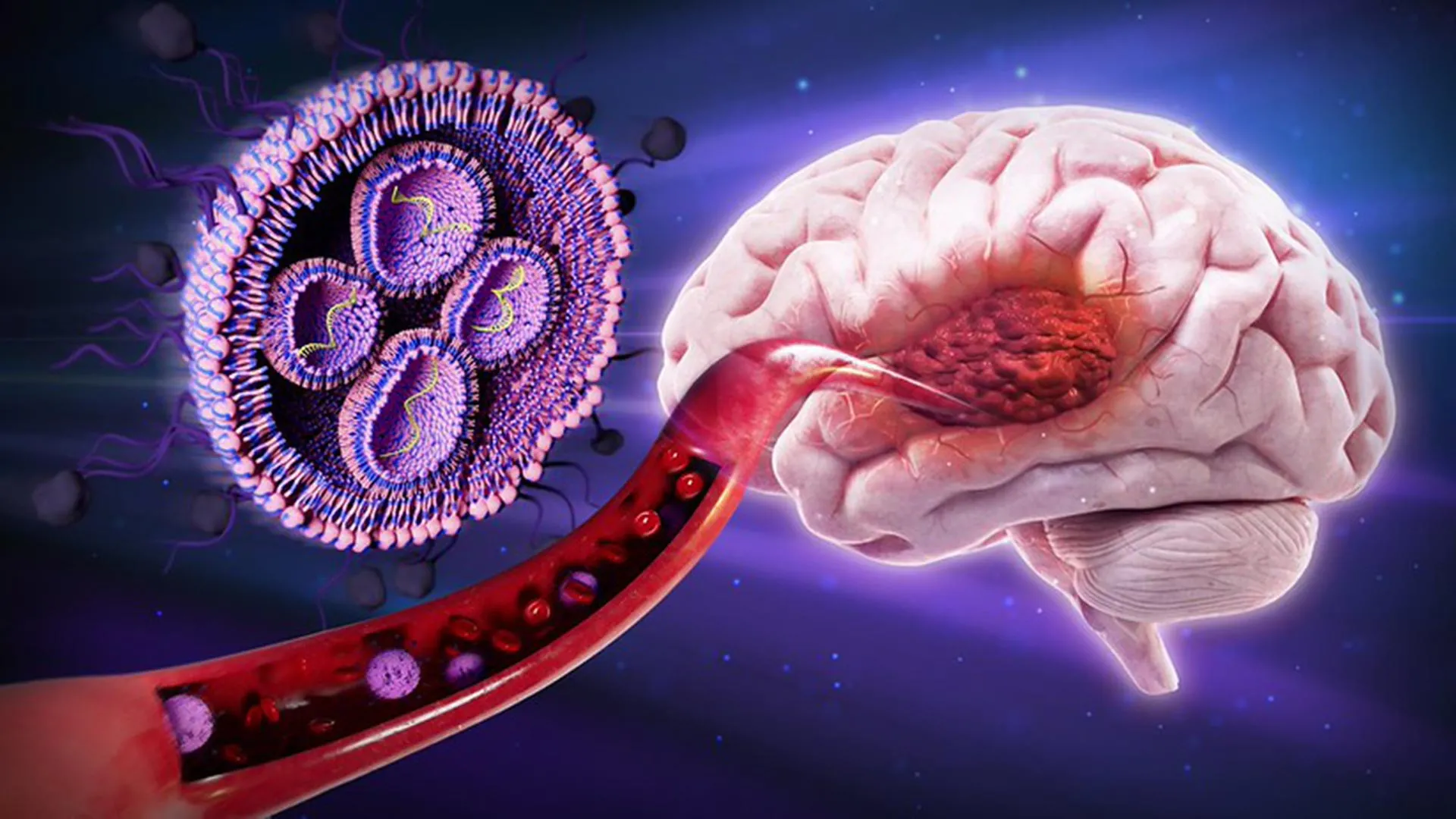
- Mayo Clinic researchers developed a nanotherapy using liposomes to deliver the cancer drugs everolimus or rapamycin alongside vinorelbine directly to brain tumors, per a study published in Communications Medicine.
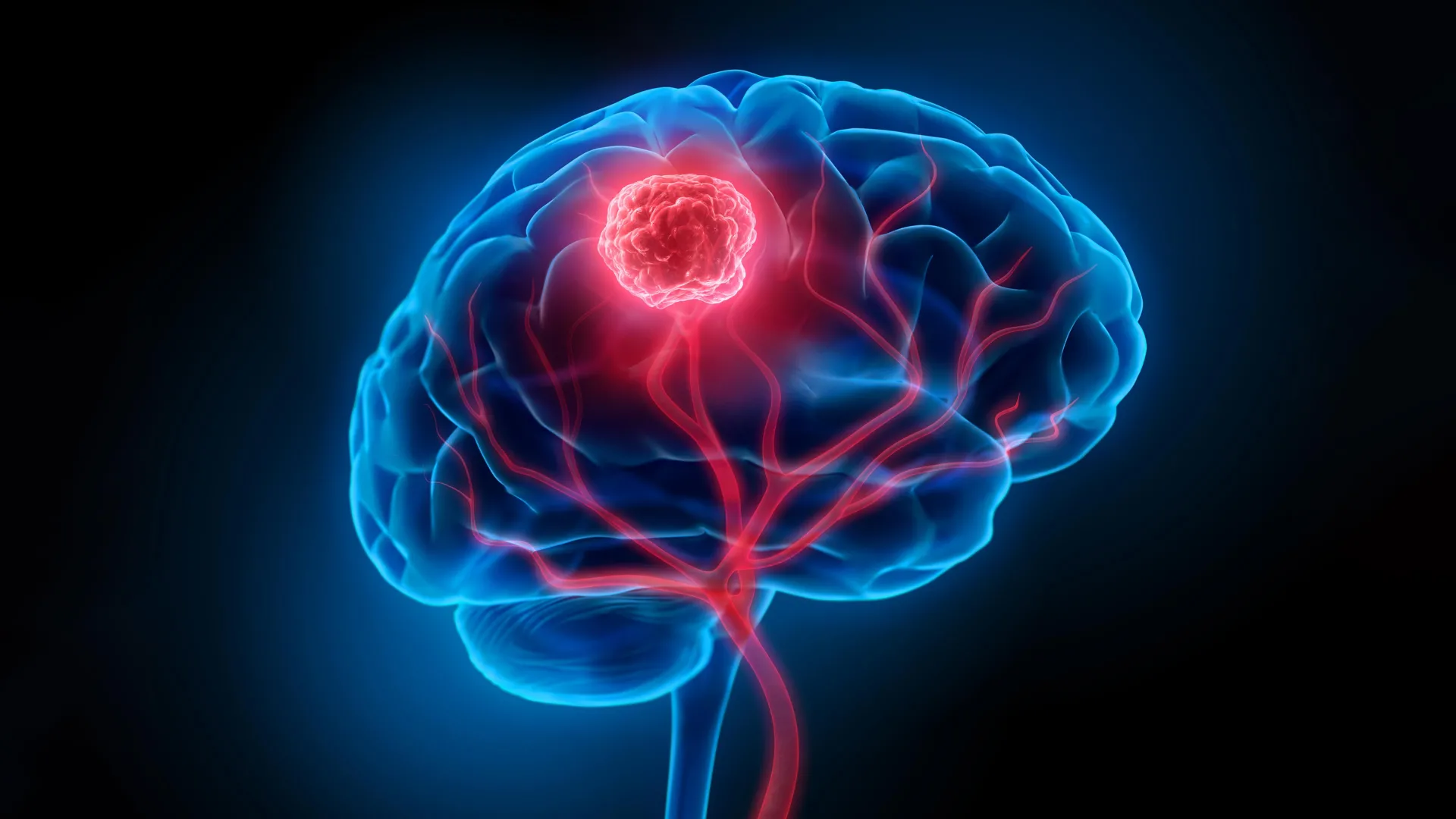
- The dual-drug approach, combined with radiation, more than doubled survival in preclinical glioblastoma models using patient-derived tissue compared with untreated controls.
- Debabrata (Dev) Mukhopadhyay, a professor of biochemistry and molecular biology at Mayo Clinic in Florida and senior author, said the strategy targets tumors directly to combat drug resistance and limited drug delivery.
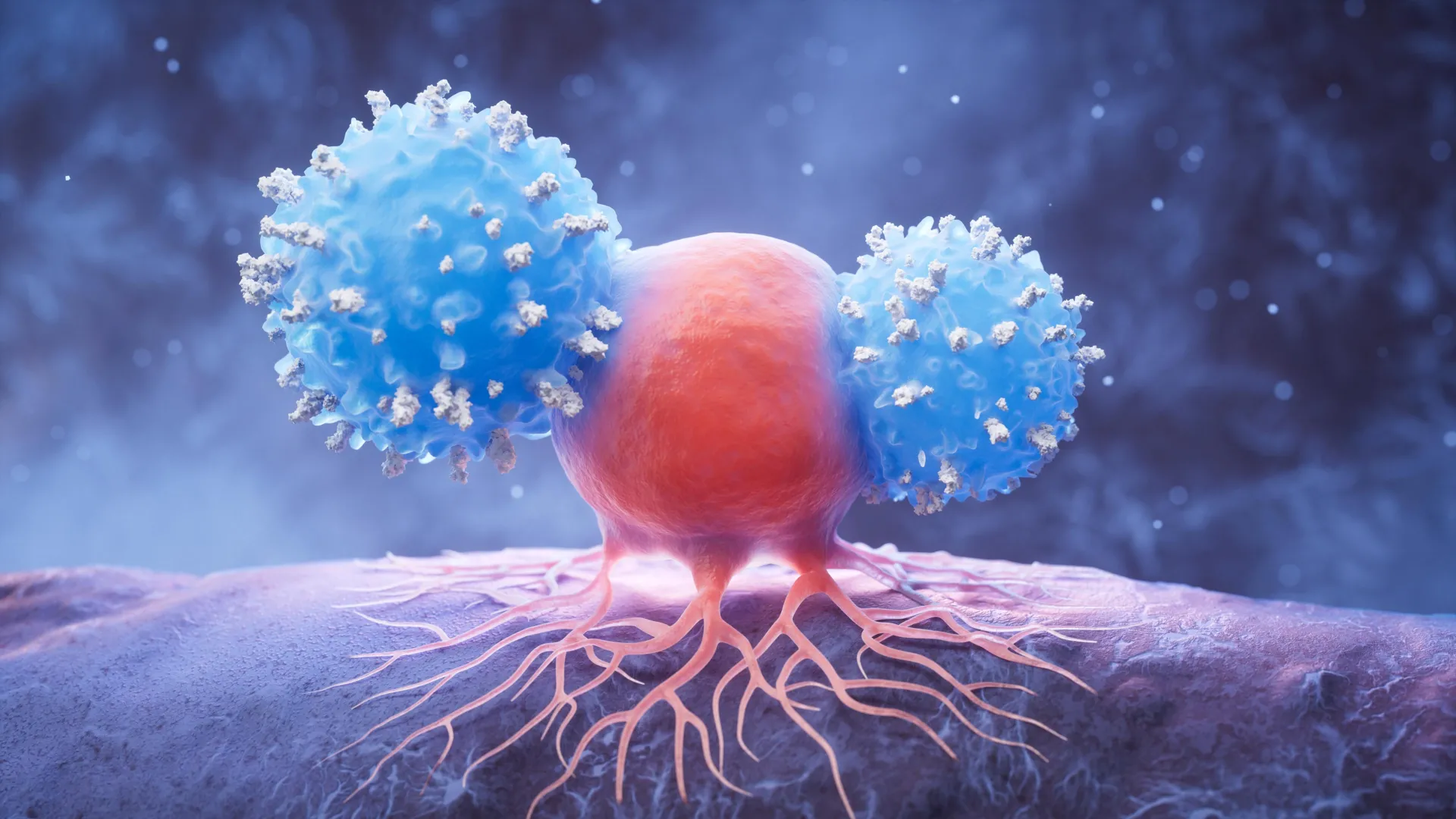
- The drug combination works by interfering with tumor growth pathways and disrupting the cancer's ability to repair DNA damage, making tumors more sensitive to radiation.
- Glioblastoma patients typically survive about 15 months after diagnosis even with current treatments of surgery, radiation, and chemotherapy, the researchers noted.
- Alfredo Quinones-Hinojosa, dean of research emeritus at Mayo Clinic in Florida and co-senior author, called the approach a "promising direction" but said further research is needed before results translate to patients; additional safety and dosing studies are underway before clinical trials can begin.
Why it matters: For the roughly 15-month survival window glioblastoma patients typically face, a treatment that more than doubles preclinical survival and crosses the blood-brain barrier directly attacks the two core treatment failures. Safety and dosing studies are now underway, required precursors to human trials for a population with virtually no curative options.
Ask SkimNews