Mayo Clinic tests milk nanoparticles against bile duct cancer — SkimNews

Get the Health newsletter
Daily health & science — research, biotech, public health, the studies worth knowing. Free.
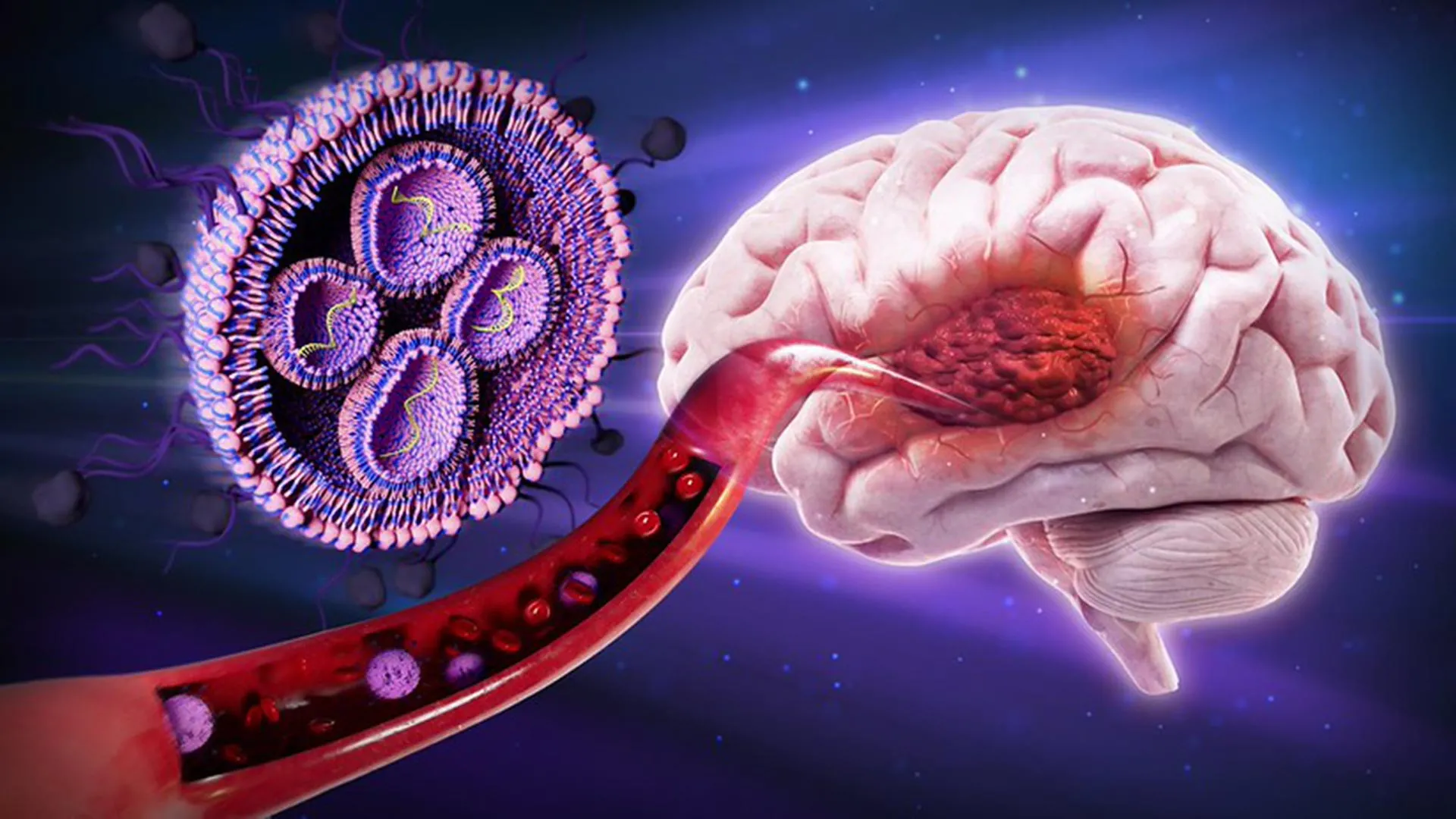
- Mayo Clinic researchers developed milk-derived nanoparticles loaded with siRNA to deliver gene-silencing therapy directly to cholangiocarcinoma tumors while sparing healthy tissue.
- The team screened a library of 600 trillion random DNA molecules using Cell-SELEX, identifying a short DNA aptamer that acts as a molecular homing device binding selectively to cancer cells.
- Tushar Patel, M.B., Ch.B., a transplant hepatologist at Mayo Clinic in Florida, had previously developed the fat-based milk nanoparticles as biocompatible delivery vehicles for treatments.
- In preclinical testing, the aptamer-equipped, siRNA-loaded nanoparticles decreased cancer growth and increased cancer cell death without harming nearby healthy tissues.
- The technology has been patented by Mayo Clinic, with researchers now working to optimize gene targets and test the approach across multiple forms of cholangiocarcinoma.
- Findings were published in JHEP Reports (2026) with DOI 10.1016/j.jhepr.2026.101779; senior author Rory Smoot, M.D. and first author Brandon Wilbanks, Ph.D. led the multidisciplinary work.
Why it matters: For cholangiocarcinoma patients with very limited treatment options, Mayo Clinic's patented platform aims to deliver targeted gene-silencing therapies that spare healthy tissue — directly addressing the lack of medications that treat this cancer's specific molecular alterations. Researchers are now working toward patient-specific gene therapies for a rare disease with few current options.
Ask SkimNews