OSU Nanoparticle Therapy Hits Lung Cancer, Muscle Wasting — SkimNews

Get the Health newsletter
Daily health & science — research, biotech, public health, the studies worth knowing. Free.
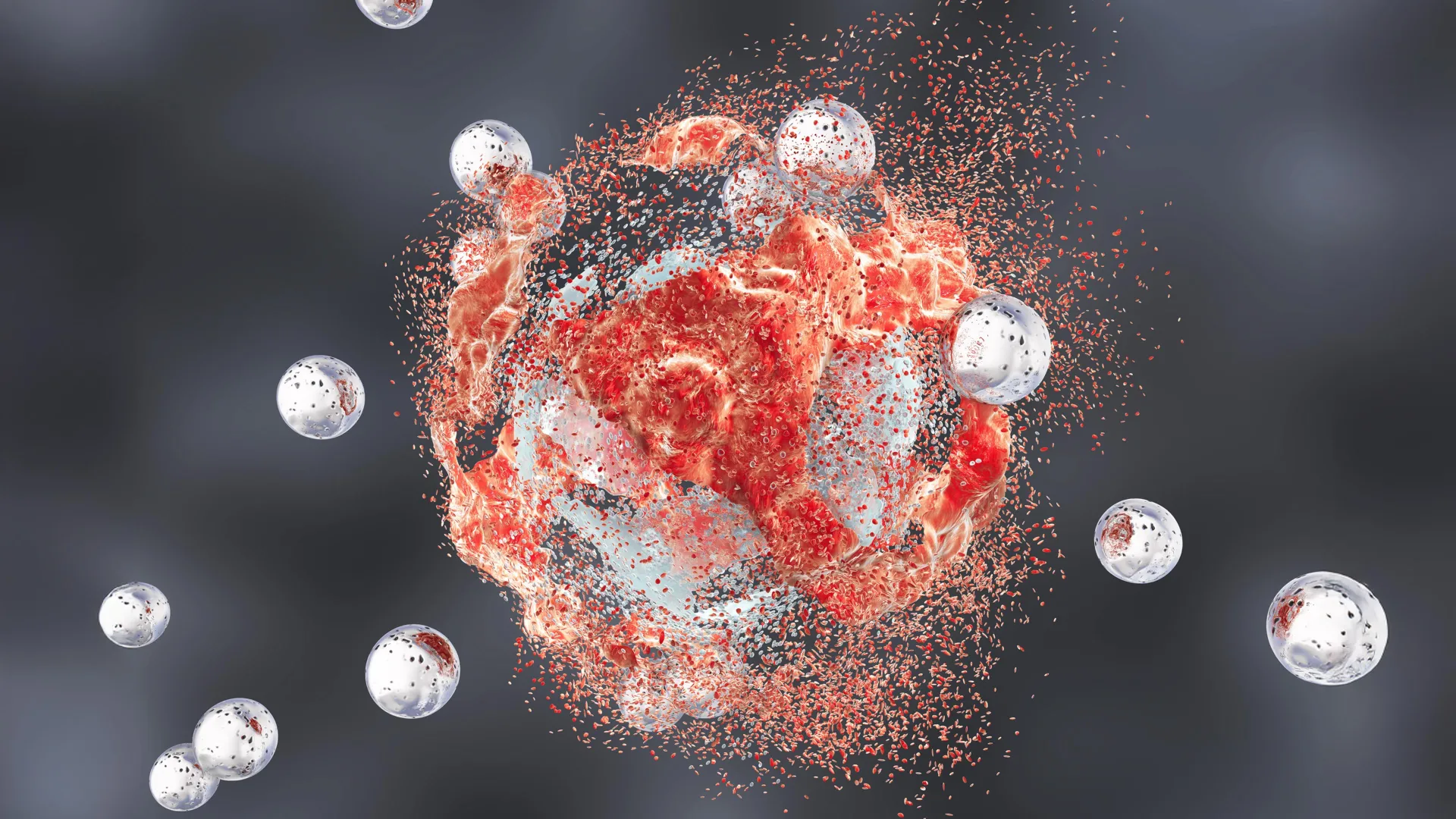
- Oregon State University researchers developed lipid nanoparticles (LNPs) loaded with follistatin mRNA that simultaneously attack lung tumors and the muscle-wasting syndrome cachexia in a mouse model, with no adverse effects reported.
- The LNPs bind vitronectin in the bloodstream, which directs them to lung tumors by interacting with integrin receptors overexpressed on tumor surfaces, rather than accumulating in the liver like conventional LNPs.
- The approach achieved approximately 2.5-fold greater reduction in tumor burden compared to conventional LNPs that tend to settle in the liver after systemic administration.
- Cachexia kills as many as 30% of the cancer patients it afflicts, stripping away muscle mass and fat even when patients continue eating, and has long lacked a targeted treatment.
- Lung cancer is the third most common cancer in the U.S. and the leading cause of cancer death, with the American Cancer Society projecting roughly 230,000 new cases and 125,000 deaths this year.
- The study, led by Oleh Taratula and Yoon Tae Goo of the OSU College of Pharmacy, was published in the Journal of Controlled Release; researchers called human testing 'down the road' after more preclinical work.
Why it matters: Most lung cancer therapies target the tumor alone, leaving cachexia — which kills up to 30% of the patients it strikes — unaddressed. Oregon State's single-molecule approach delivers follistatin mRNA to lung tumors via vitronectin-guided LNPs, reporting no adverse effects in mice. If it holds in humans, one IV dose could treat the cancer and the wasting in parallel, something current regimens don't attempt.
Ask SkimNews