Ole Miss 3D-prints 200nm spanlastics to target tumors — SkimNews

Get the Health newsletter
Daily health & science — research, biotech, public health, the studies worth knowing. Free.
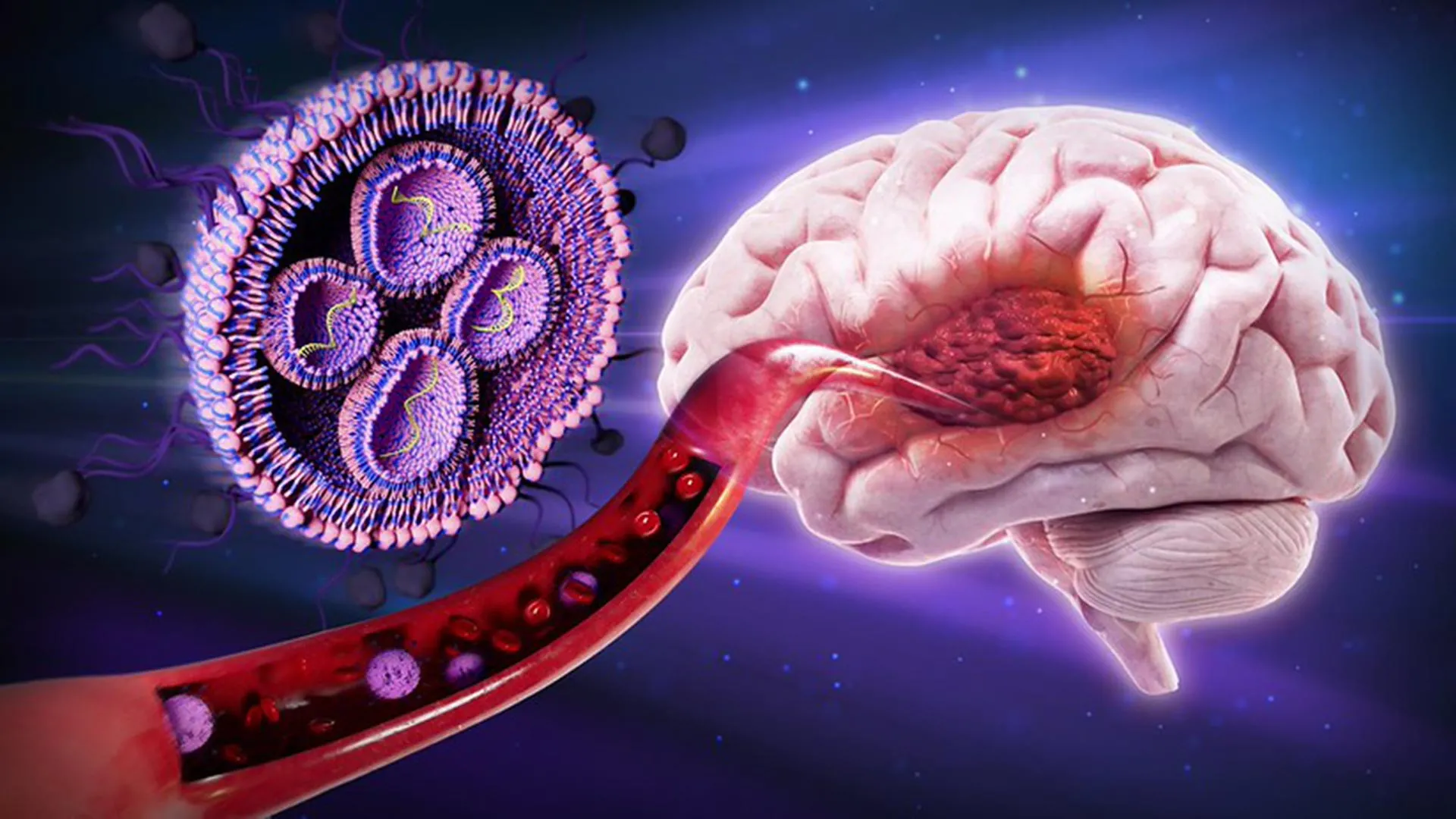
- University of Mississippi researchers, publishing in Pharmaceutical Research, demonstrated that 3D-printed "spanlastics"—microscopic drug carriers 200 to 300 nanometers long (versus a human hair's roughly 100,000 nm width)—can deliver cancer drugs directly to tumor cells in vitro.
- Mo Maniruzzaman, chair and professor of pharmaceutics and drug delivery, introduced a new "FRESH 3D printing" concept that uses spanlastics as a nano-drug delivery vehicle and reported promising data when applied to breast cancer cells.
- Jaidev Chakka, principal scientist in the School of Pharmacy, said encapsulating drugs in nanoparticles both protects the drug from degradation and lets it penetrate cell membranes, where it can act on RNA, DNA, or specific cell pathways inside a single cell.
- Implanting the 3D-printed construct at the tumor site would concentrate medication locally rather than dispersing it through the bloodstream via oral or injected chemotherapy, a step the team says could reduce side effects like hair loss, nausea, vomiting, and anemia.
- Doctoral student Elom Doe said the approach would be especially useful for early-stage cancer diagnoses before the disease metastasizes, but cautioned the work is lab-based and in-vivo animal testing must come before any human trials.
- The researchers framed the study as a first step—proving a 3D-printed hydrogel-based delivery system can kill cancer cells in vitro—while acknowledging that clinical application remains distant.
Why it matters: Chemotherapy's worst toll on patients—hair loss, nausea, vomiting, anemia—stems from drugs that circulate systemically and hit healthy fast-reproducing cells alongside cancer. The Ole Miss team is betting that 200–300 nm spanlastics implanted at the tumor site can deliver a concentrated dose locally, potentially reshaping how early-stage solid tumors are treated if the in-vitro results hold up in animal and human testing.
Ask SkimNews