Penn gum cuts HPV 93%, wipes out cancer-linked bacteria — SkimNews
Get the Health newsletter
Daily health & science — research, biotech, public health, the studies worth knowing. Free.
- Henry Daniell and University of Pennsylvania colleagues developed a chewing gum from lablab beans containing FRIL, a naturally occurring antiviral protein; extracts reduced HPV levels by 93% in saliva samples and 80% in oral rinse samples.
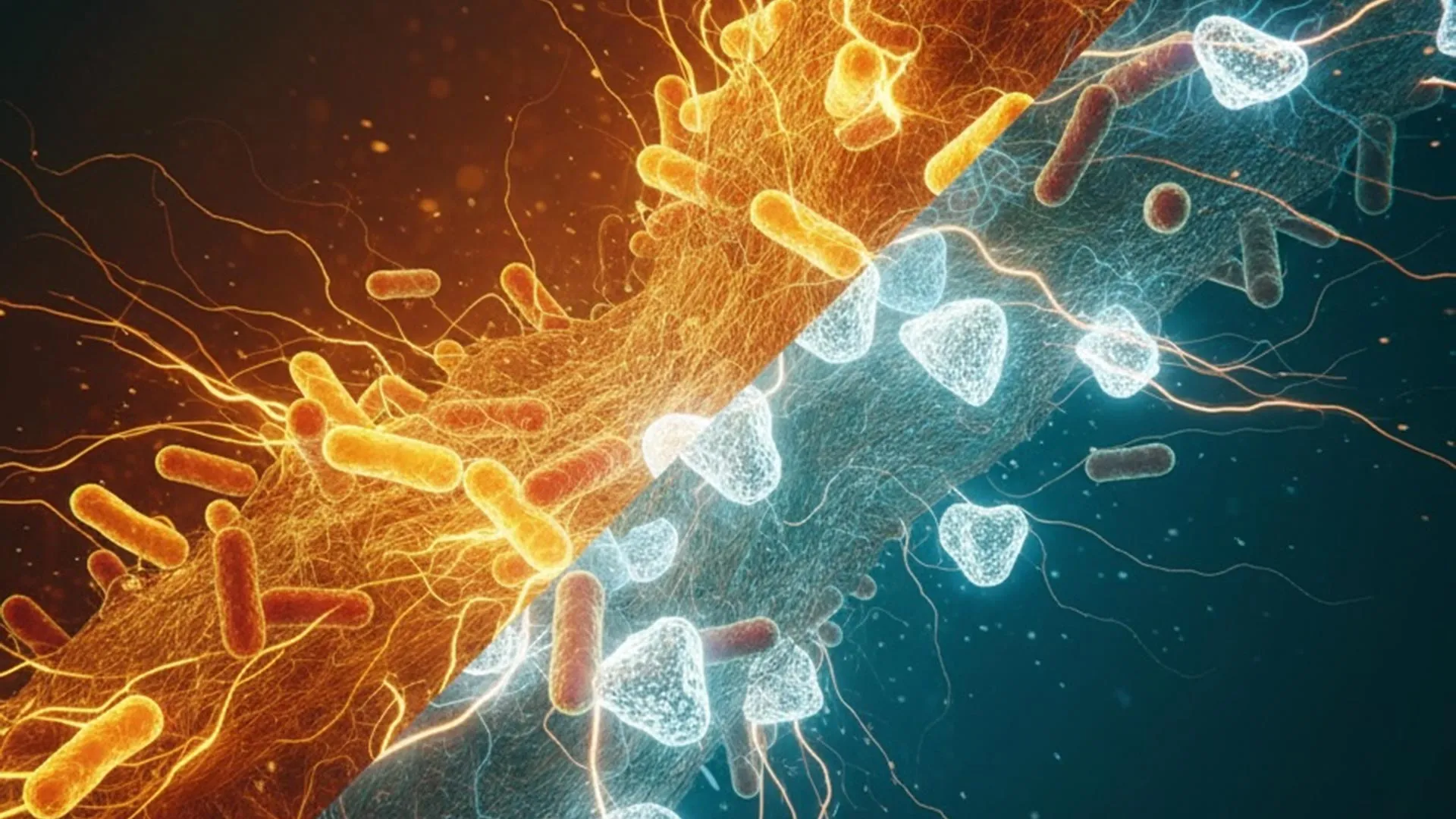
- The team then engineered the gum to also carry protegrin, an antimicrobial peptide, and a single dose brought Porphyromonas gingivalis and Fusobacterium nucleatum — both linked to head and neck cancer — down to almost zero.
- The gum preserved beneficial oral bacteria, in contrast to radiation therapy, which reduces helpful microbes while encouraging Candida albicans yeast growth.
- Published in Scientific Reports, the findings support advancing the gum to clinical trials as an adjuvant alongside current cancer treatments or as prophylaxis to prevent infection and transmission.
- Lip and oral cavity cancer ranked as the 7th leading cancer type in incidence and mortality worldwide in 2022 among adolescents, young adults, and middle-aged adults, and Daniell notes recent approved medications have produced limited survival gains.
- The research was funded by the NIH (grant 5-R01-HL 107904-13), the UCLA Academic Senate Grant, and the National Cancer Institute Cancer Center (P30 CA168524).
Why it matters: Head and neck squamous cell carcinoma is aggressive with poor late-stage outcomes, and recent medications have delivered limited survival gains. A gum that strips HPV by 93% and wipes cancer-linked bacteria while preserving the beneficial microbes radiation destroys gives patients a low-cost, microbiome-friendly option heading into clinical trials.
Ask SkimNews