Minnesota Uses Lactonase to Block Plaque Signals — SkimNews
Get the Health newsletter
Daily health & science — research, biotech, public health, the studies worth knowing. Free.
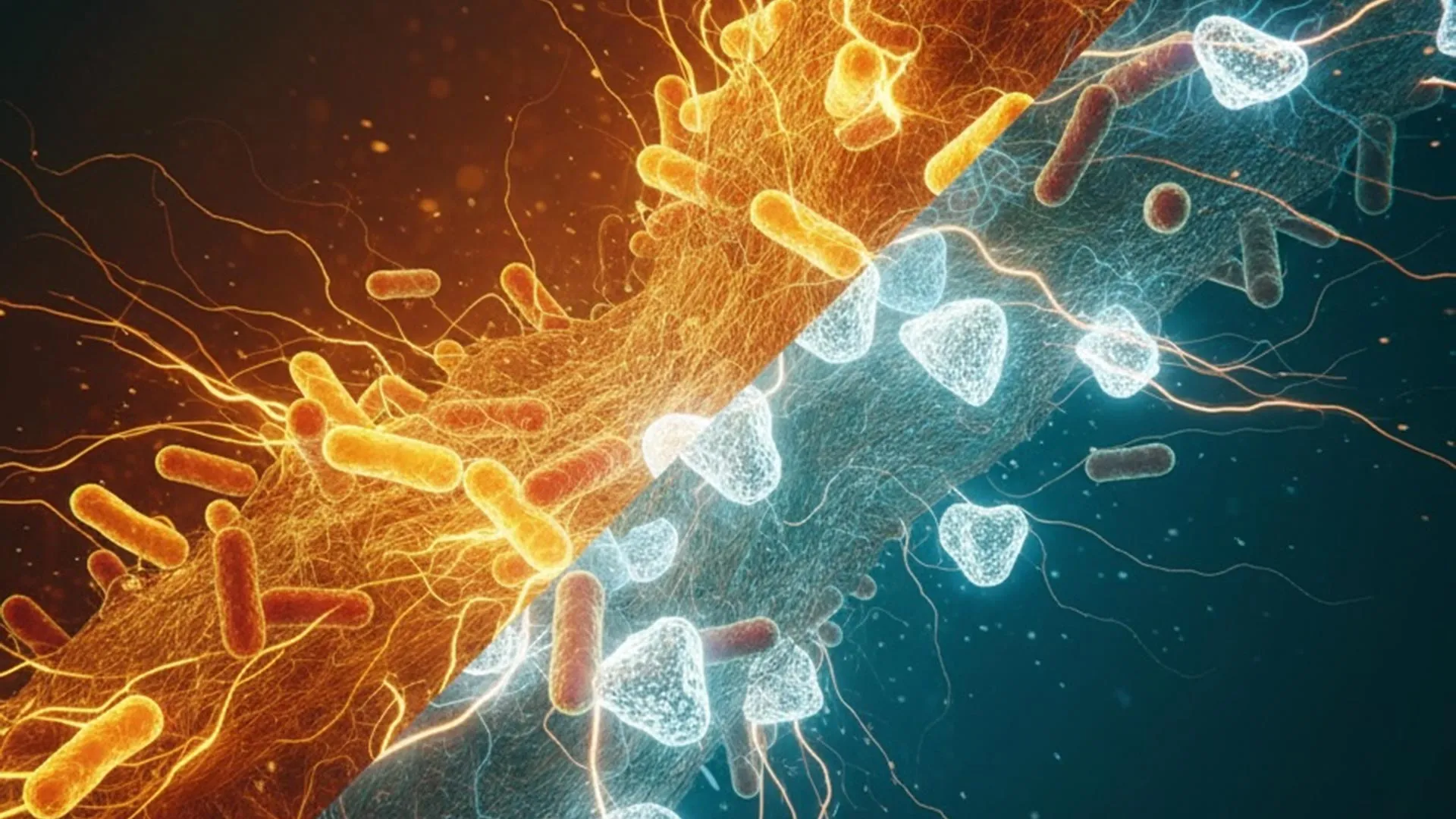
- University of Minnesota researchers showed that dental plaque bacteria exchange N‑acyl homoserine lactone (AHL) signals across aerobic and anaerobic zones in the mouth.
- Lactonase enzymes applied to plaque removed AHL signals and increased the proportion of health‑associated bacteria while suppressing disease‑linked species.
- Mikael Elias described plaque development as a forest, with early colonizers such as Streptococcus and Actinomyces being benign and later “red complex” microbes like Porphyromonas gingivalis driving gum disease.
- Study published in npj Biofilms and Microbiomes on May 8 2026 proposes quorum‑sensing disruption as a non‑antibiotic approach to prevent periodontal disease.
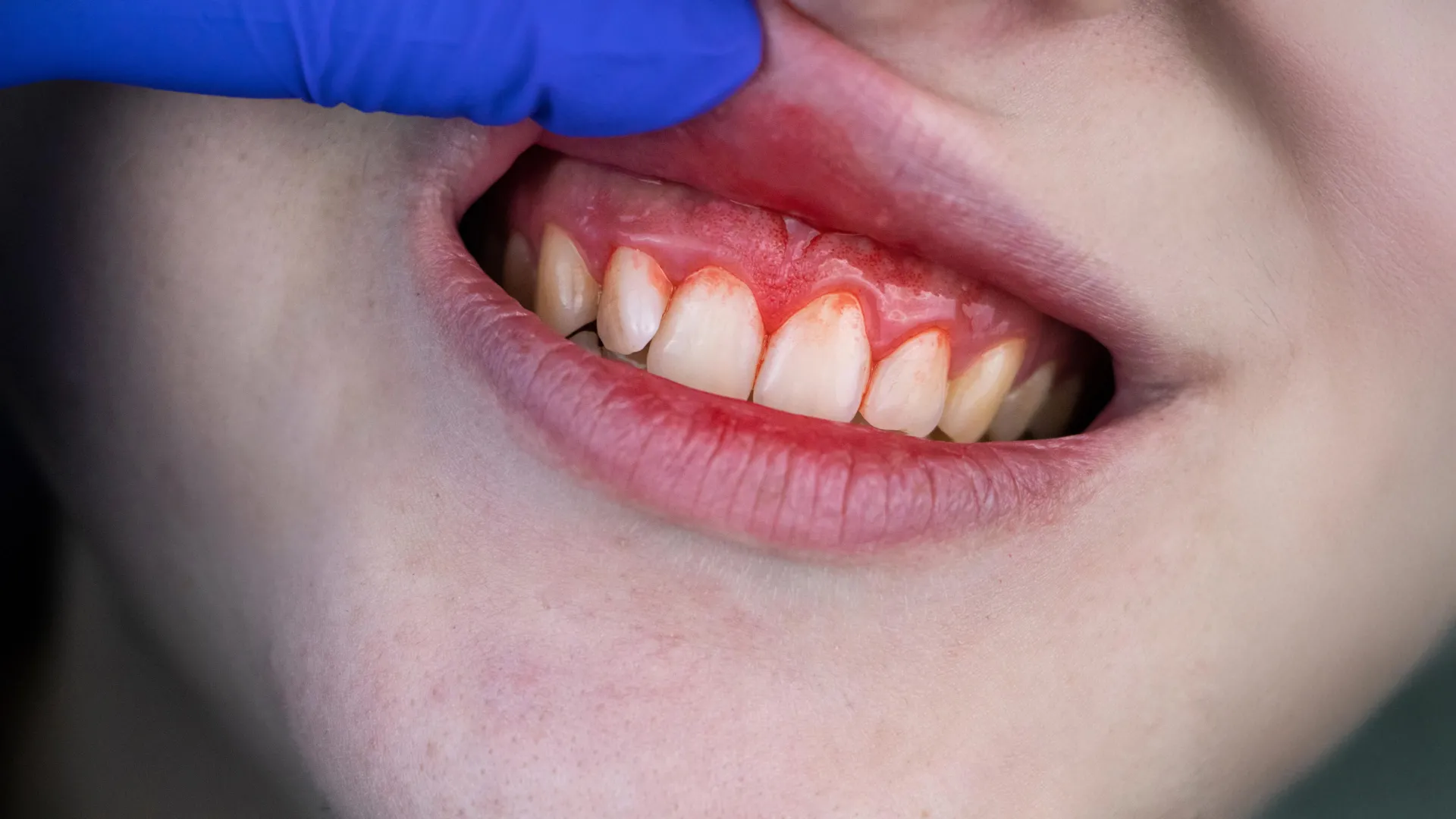
Why it matters: Patients with periodontal disease gain a targeted therapy that spares beneficial microbes, while pathogenic plaque bacteria lose their growth advantage, potentially reducing reliance on antibiotics and lowering treatment costs for dentists.
Ask SkimNews