New Tooth Powder Whitens Teeth, Repairs Enamel Safely — SkimNews
Get the Health newsletter
Daily health & science — research, biotech, public health, the studies worth knowing. Free.
- Min Xing and colleagues developed a ceramic whitening powder (BSCT) made from strontium, calcium ions, and barium titanate that generates a small electric field via the piezoelectric effect when vibrated, producing stain-fighting reactive oxygen species only during brushing.
- BSCT distinguishes itself from peroxide-based whiteners — found in strips, gels, and rinses — by releasing its reactive oxygen only when triggered by an electric toothbrush's motion, avoiding the enamel-weakening side effects of conventional bleaching.
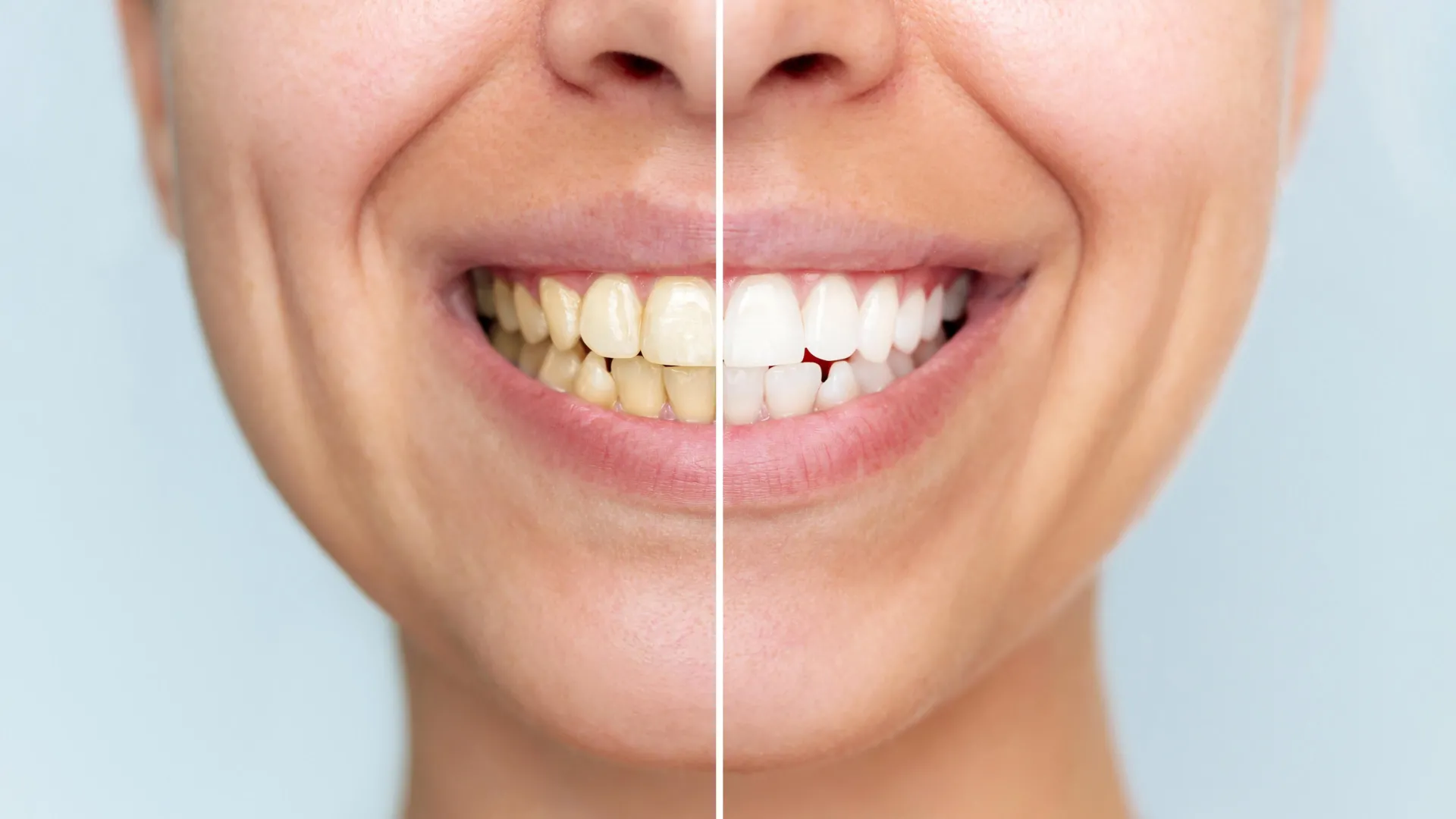
- In lab tests on human teeth stained with tea and coffee, the powder produced noticeable whitening after four hours and nearly 50% greater whiteness than a saline control after 12 hours of electric brushing.
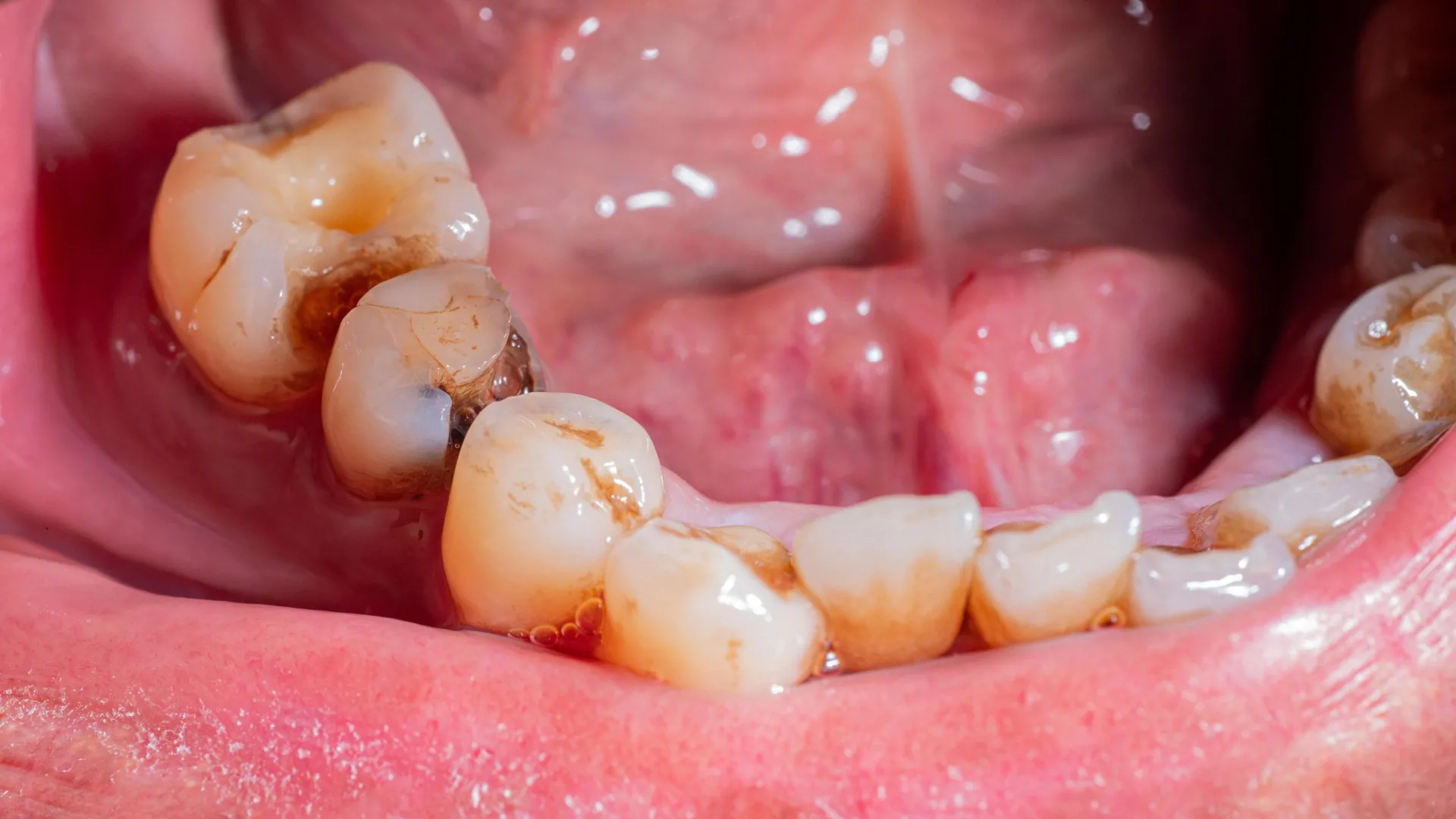
- Mineral deposits from the powder — strontium, calcium, and barium — rebuilt damaged enamel and dentin surfaces, the researchers reported, a repair function absent from standard whitening products.
- In rats fed high-sugar diets, one minute of daily brushing over four weeks reduced harmful bacteria including Porphyromonas gingivalis and Staphylococcus aureus and lowered inflammation markers.
- The study was published in ACS Nano on March 23, 2026, and funded by the Chinese Academy of Sciences, the Shanghai Municipality science commission, and related Shanghai medical and ceramics research programs.
- The powder has not yet been formulated into a commercial toothpaste, and the authors frame it as a foundation for a new generation of at-home dental care rather than an imminent product.
Why it matters: The global whitening market is built on peroxide chemistry that whitens teeth while gradually eroding the enamel it works on; a powder that whitens *and* deposits restorative minerals while leaving the oral microbiome more balanced would invert that trade-off. For consumers, the appeal is fewer sensitivity and damage complaints; for incumbent whitening brands, the threat is a fundamentally different active chemistry — though BSCT is still years from store shelves given it has not yet been formulated into a toothpaste.
Ask SkimNews