Enzymes Disrupt Bacterial Signals to Treat Gum Disease — SkimNews
Get the Health newsletter
Daily health & science — research, biotech, public health, the studies worth knowing. Free.
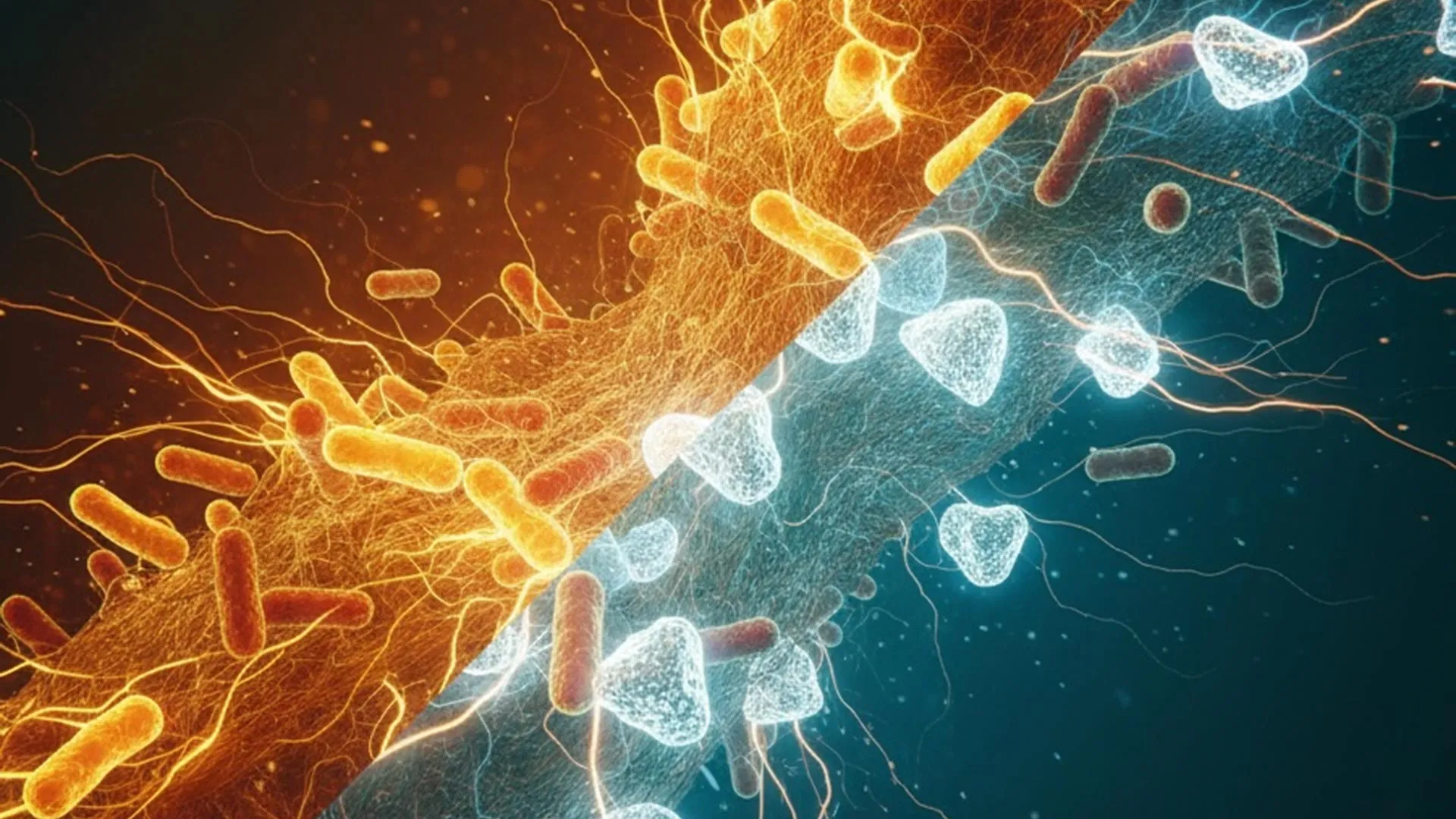
- University of Minnesota researchers found that disrupting AHL quorum-sensing signals in dental plaque shifted microbial communities toward health-associated species, offering a potential alternative to antibiotic-style treatments that destroy beneficial oral bacteria.
- AHL chemical signals produced above the gumline in oxygen-rich environments were detected by bacteria below the gumline in anaerobic conditions, where the same signals promoted growth of disease-associated "red complex" bacteria like Porphyromonas gingivalis.
- Lactonases — enzymes that break down bacterial communication molecules — were used to interfere with bacterial "conversation" and steer the plaque community toward species linked to better oral health.
- Lead author Rakesh Sikdar noted that oxygen availability flips the outcome: blocking AHL signaling in aerobic conditions favored health-associated bacteria, while adding AHLs in anaerobic conditions promoted late colonizers linked to periodontal disease.
- Senior author Mikael Elias likened dental plaque to a forest ecosystem — pioneer species like Streptococcus and Actinomyces are harmless early colonizers, while increasingly diverse late colonizers include pathogens strongly tied to gum disease.
- The study, published in 2025 in npj Biofilms and Microbiomes with National Institutes of Health funding, could extend to treating microbiome dysbiosis beyond dentistry, including imbalances associated with certain cancers.
Why it matters: Traditional gum-disease treatments attack oral bacteria indiscriminately, yet the ~700 species in the mouth include many beneficial microbes. By targeting chemical signaling between species instead, the Minnesota team points toward a fundamentally different therapeutic approach — one that shifts the field away from broad antimicrobials toward precision microbial management for both oral and systemic diseases.
Ask SkimNews