Gum Disease Bacterium Found in Calcified Heart Valves — SkimNews
Get the Health newsletter
Daily health & science — research, biotech, public health, the studies worth knowing. Free.
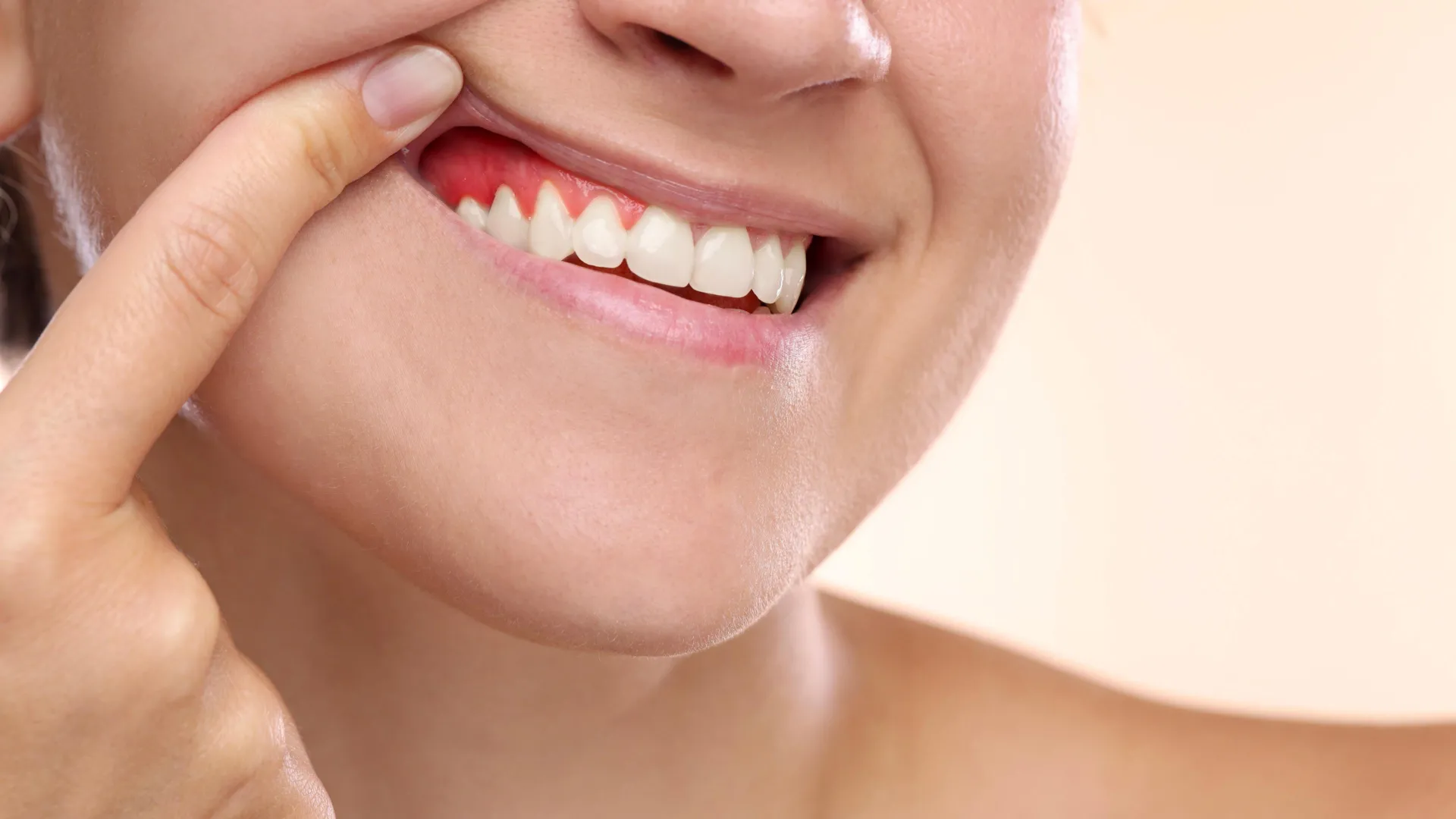
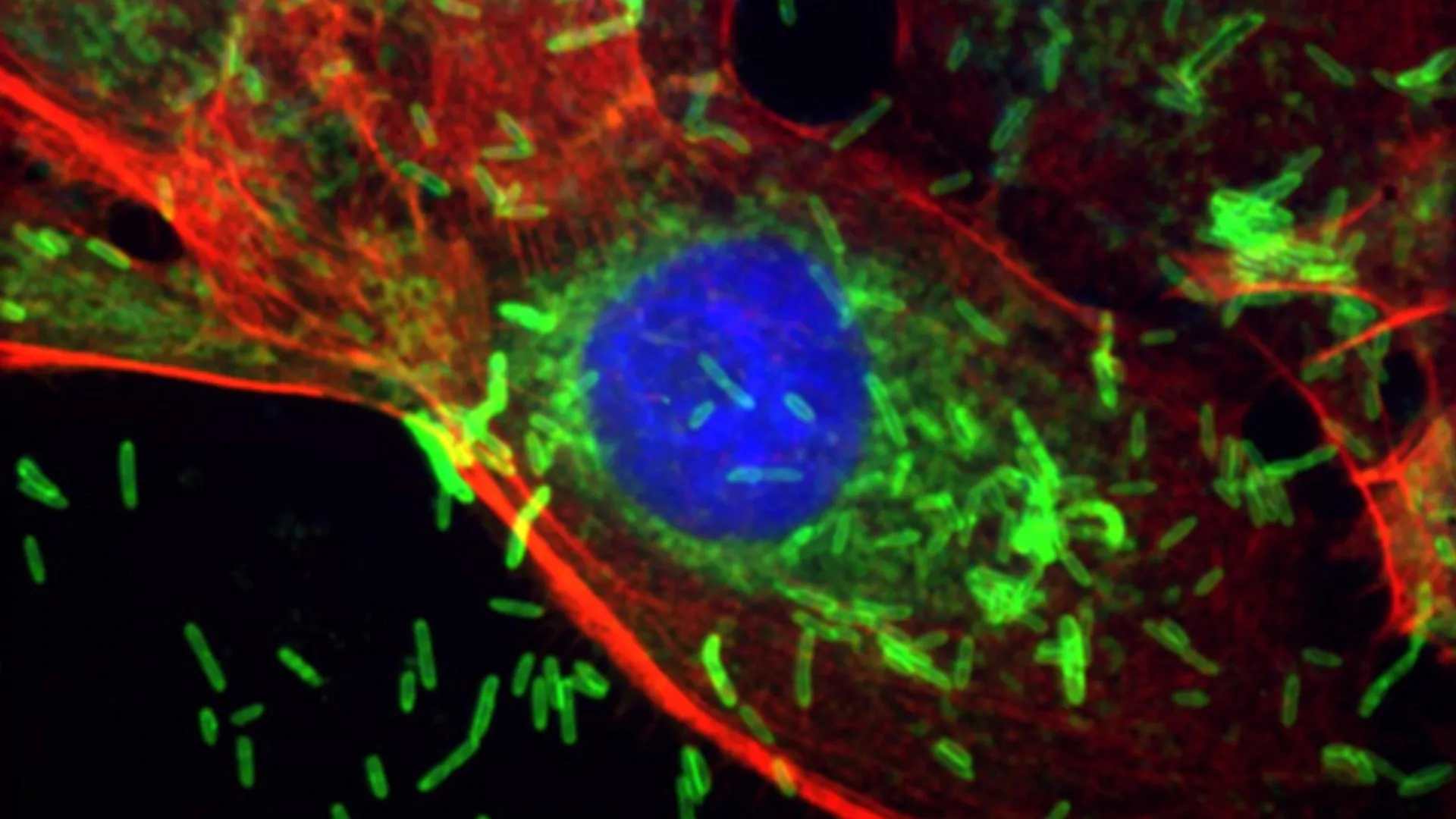
- Porphyromonas gingivalis showed one of the largest differences between calcified aortic valves from CAVS patients and valve tissue from patients with other heart conditions, surprising researchers who noted it was not among the most abundant bacteria overall.
- Preventive antibiotics reduced P. gingivalis-driven valve calcification in mice; repeated exposure to live bacteria caused them to accumulate in aortic valves, increased calcium deposits, and produced aortic stenosis symptoms.
- Chenyang Li, co-lead author and Ph.D. candidate at Fuwai Hospital's National Center for Cardiovascular Diseases in Beijing, said there are currently no medications proven to prevent or slow CAVS progression.
- IL-1β activation by P. gingivalis was identified as a key inflammatory mechanism; genetic deletion of IL-1β significantly reduced valve calcification and disease symptoms even when the bacteria were present.
- Eduardo Sanchez, the AHA's chief medical officer for prevention, said the study adds to growing evidence linking oral and heart health and noted dental visits are often patients' only healthcare connection.
- The research was presented July 13, 2026, at the AHA's Basic Cardiovascular Sciences Scientific Sessions in Boston as a preliminary abstract not yet peer-reviewed; the team has launched a follow-up clinical study in people.
Why it matters: CAVS is a common, life-threatening valve disorder with no drug therapy — only valve replacement for severe cases — so identifying a modifiable risk factor like gum disease could open a low-cost prevention route, though the mechanism must first be confirmed in human trials.
Ask SkimNews