Fusobacterium nucleatum speeds breast cancer in BRCA1 — SkimNews
Get the Health newsletter
Daily health & science — research, biotech, public health, the studies worth knowing. Free.
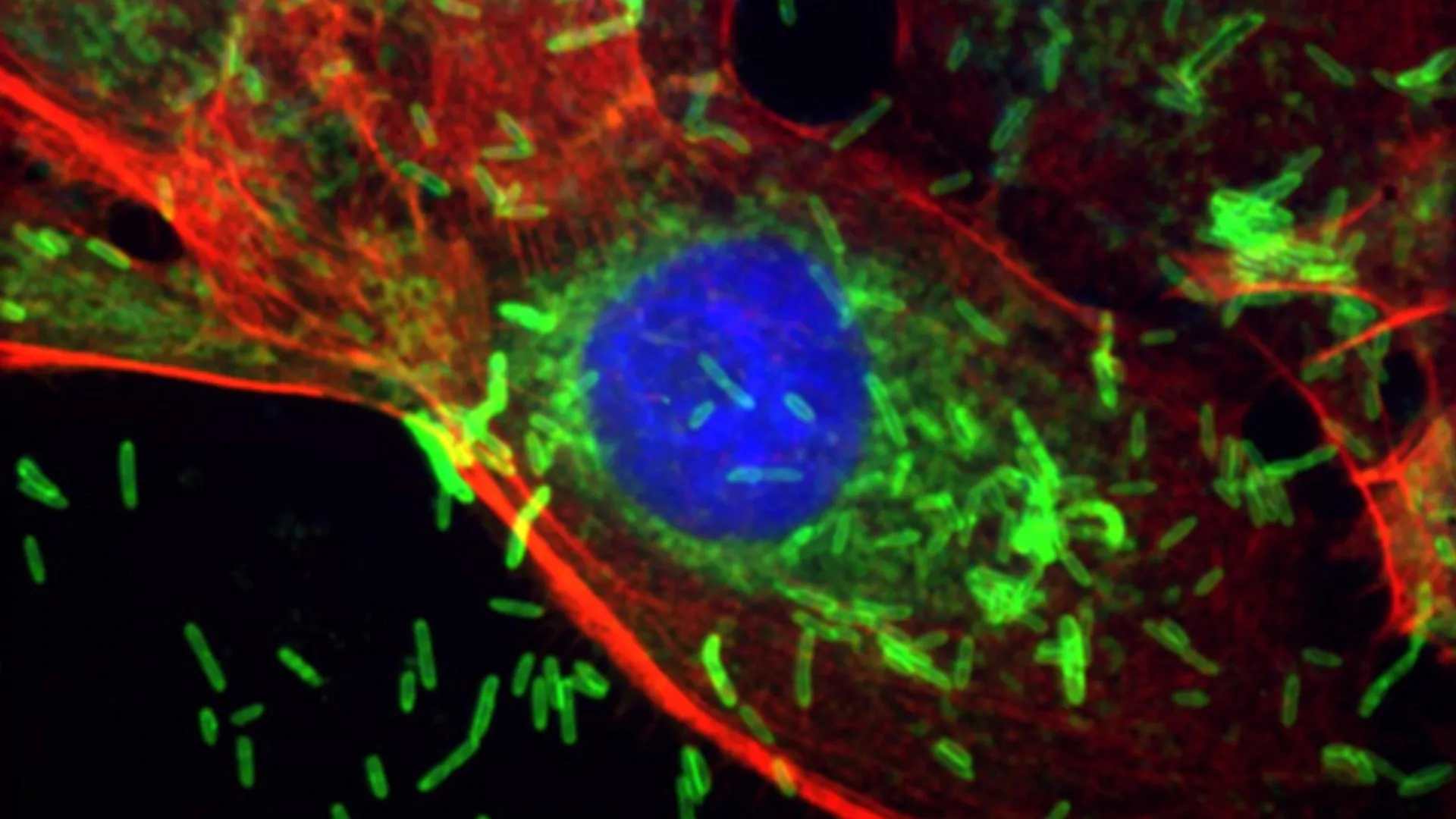
- Fusobacterium nucleatum was detected in breast tissue after entering the bloodstream, where it triggered inflammation and early cellular changes linked to cancer.
- Animal experiments showed that direct introduction of F. nucleatum into breast ducts caused metaplastic and hyperplastic lesions, DNA damage, and heightened cell proliferation.
- Mouse models demonstrated that systemic exposure to F. nucleatum sped up growth of existing breast tumors and increased metastasis to the lungs.
- BRCA1‑mutant breast cells displayed elevated Gal‑GalNAc surface sugar, leading to greater bacterial attachment, retention across generations, and amplified DNA damage.
- PKcs protein levels rose after short exposure to F. nucleatum, correlating with enhanced cancer cell movement, invasion, stem‑like traits, and chemotherapy resistance.
- Johns Hopkins Kimmel Cancer Center and the Bloomberg~Kimmel Institute for Cancer Immunotherapy published the findings in Cell Communication and Signaling, funded by the Breast Cancer Research Foundation, the Department of Defense Breast Cancer Research Program, and the John Fetting Fund for Breast Cancer Prevention.
Why it matters: The findings suggest that improving oral hygiene may lower breast cancer risk and slow tumor progression, particularly for patients carrying BRCA1 mutations, while also revealing a bacterial mechanism that can increase tumor aggressiveness and chemotherapy resistance, potentially informing new preventive and therapeutic strategies.
Ask SkimNews