OSU Team Identifies SET as Glioblastoma's Weak Spot — SkimNews

Get the Health newsletter
Daily health & science — research, biotech, public health, the studies worth knowing. Free.
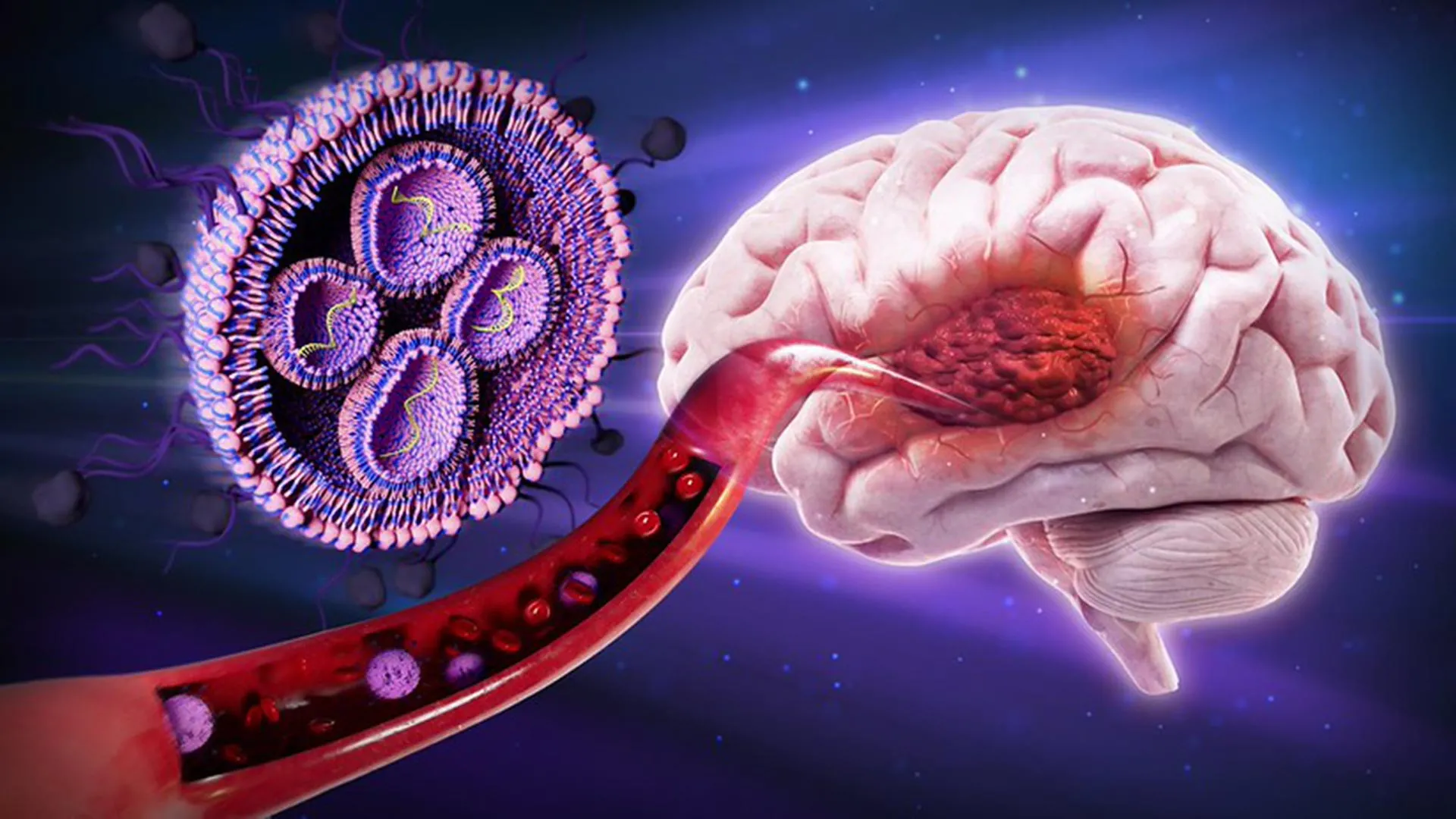
- OSUCCC - James researchers identified protein SET as a target that could make glioblastoma cells easier to kill with existing radiation and chemotherapy rather than replacing those treatments.
- Blocking SET in preclinical laboratory and animal models prevented glioblastoma tumors from forming, while targeting related proteins increased cancer cells' vulnerability to radiation.
- Three proteins — ANP32A, CIP2A, and SET — were found to suppress the enzyme PP2A in glioblastoma cells, and blocking them reduced cancer cell survival while restoring PP2A activity.
- Arnab Chakravarti, MD, chair of radiation oncology at OSUCCC - James, said restoring PP2A activity may make glioblastoma cells 'less able to survive treatment,' giving researchers 'a clear path to test whether this approach can make radiation and chemotherapy more effective for patients with GBM.'
- An FDA-approved antipsychotic drug that increases PP2A activity was also examined as a candidate, but researchers cautioned it is not ready as a glioblastoma treatment and should not be taken for that purpose outside a clinical trial.
- The study was published in the May 2026 issue of Cancer Letters (DOI: 10.1016/j.canlet.2026.218325), supported by NIH, National Cancer Institute, and Ohio State grants — human clinical trials have not yet been conducted.
Why it matters: Glioblastoma remains one of the deadliest cancers with treatment options largely unchanged for years, so a validated drug target with an existing FDA-approved compound that already hits the same pathway could compress the timeline from lab finding to clinical trial — but the researchers explicitly cautioned that the antipsychotic drug should not be used for GBM outside a clinical trial.
Ask SkimNews